


The information in this article is for educational and informational purposes only. It is not intended as veterinary advice, diagnosis, or treatment for any medical or health issue your pet may have.
Always consult a licensed veterinarian before making any decisions about your pet’s health, diet, medications, supplements, training, or care. Never disregard or delay professional veterinary advice based on content from this website.
BarkleyAndPaws.com and its authors assume no responsibility or liability for any errors, omissions, or outcomes resulting from the use of this information.
You see your cat scratching more than usual or sneezing out of nowhere, and it makes you pause. Is it something in their food? Something in the air? Cats can’t tell you what’s bothering them, so you end up piecing it together from small changes in behavior. Knowing the common allergies in cats helps you spot patterns early and figure out what’s actually going on.
Food Allergies
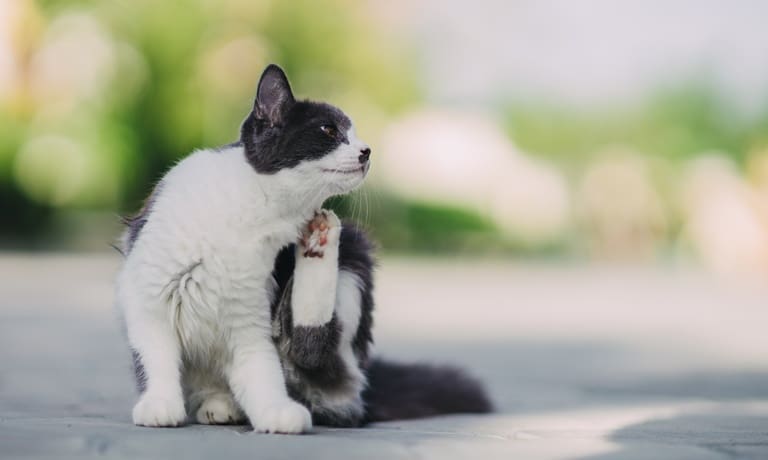
Food allergies rank among the most common issues cat owners face, and they can be frustrating to pin down. Cats can react to ingredients like beef, chicken, dairy, or fish, even if they’ve eaten them for years. The immune system treats certain proteins as harmful, which leads to symptoms such as itching, skin inflammation, ear infections, or digestive upset like vomiting and diarrhea. Many owners first notice excessive scratching or overgrooming. Identifying the exact trigger takes time and often involves a strict elimination diet under veterinary guidance.
Mold Allergies
Mold is another cat allergen. Mold is incredibly common, both indoors and outdoors, but in high enough concentrations, it can cause respiratory irritation and allergic reactions in cats. Some types of allergenic molds known for causing symptoms in cats include Aspergillus and Cladosporium.
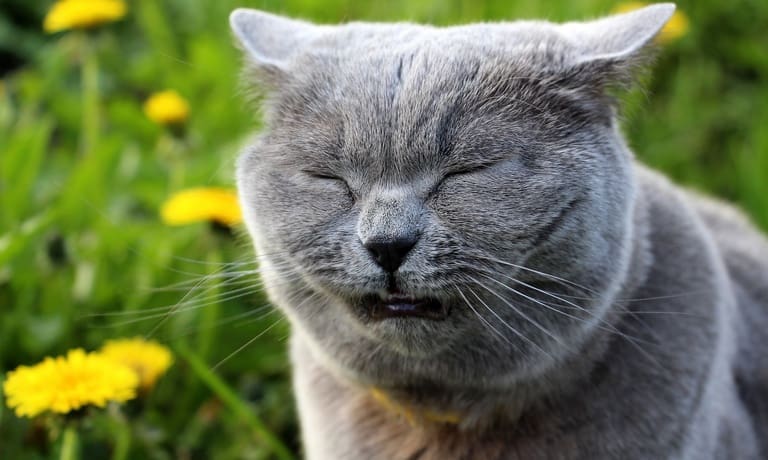
A cat that’s allergic to mold may exhibit symptoms like sneezing, coughing, watery eyes, or nasal discharge. While it’s impossible to control all outdoor mold, and your cat may need to go on antihistamines or other medications to control symptoms, if your cat is allergic to mold that’s formed inside your home, removing it can improve indoor air quality and reduce exposure.
Flea Allergies
Flea allergies cause intense discomfort, even from a single bite. Cats with flea allergy dermatitis react to proteins in flea saliva, which triggers a strong immune response. The result includes severe itching, hair loss, and small scabs, often around the neck, tail base, or lower back. You might not even see fleas, since cats groom them off quickly. Consistent flea prevention is important year-round, even for indoor cats, because fleas can enter through clothing or other pets.
Environmental Allergies
Environmental allergens like pollen, dust mites, and grass can trigger reactions in cats, especially during certain times of year. These allergens enter through inhalation or skin contact, leading to symptoms such as itching, red skin, watery eyes, and frequent sneezing. Some cats develop chronic skin irritation or ear infections as a result. Indoor exposure increases risk since dust mites and pollen settle into carpets, furniture, and bedding. Regular cleaning and air filtration can help reduce buildup and limit exposure.
Medication Allergies
Medication allergies occur when a cat reacts negatively to certain drugs, even ones commonly prescribed by veterinarians. Antibiotics, vaccines, and flea treatments can trigger these reactions in some cases. Symptoms can range from mild skin irritation and swelling to more serious responses like vomiting, diarrhea, or difficulty breathing. Reactions often appear shortly after exposure. Veterinary care is important right away if symptoms seem severe, since quick treatment can prevent complications.
Paying Attention to the Small Signals
Understanding what the most common allergies in cats are helps you connect those small changes back to a real cause. Extra grooming, random sneezing, or irritated skin never show up without a reason. Once you know what to look for, you can respond sooner and keep your cat more comfortable day to day.