


The information in this article is for educational and informational purposes only. It is not intended as veterinary advice, diagnosis, or treatment for any medical or health issue your pet may have.
Always consult a licensed veterinarian before making any decisions about your pet’s health, diet, medications, supplements, training, or care. Never disregard or delay professional veterinary advice based on content from this website.
BarkleyAndPaws.com and its authors assume no responsibility or liability for any errors, omissions, or outcomes resulting from the use of this information.
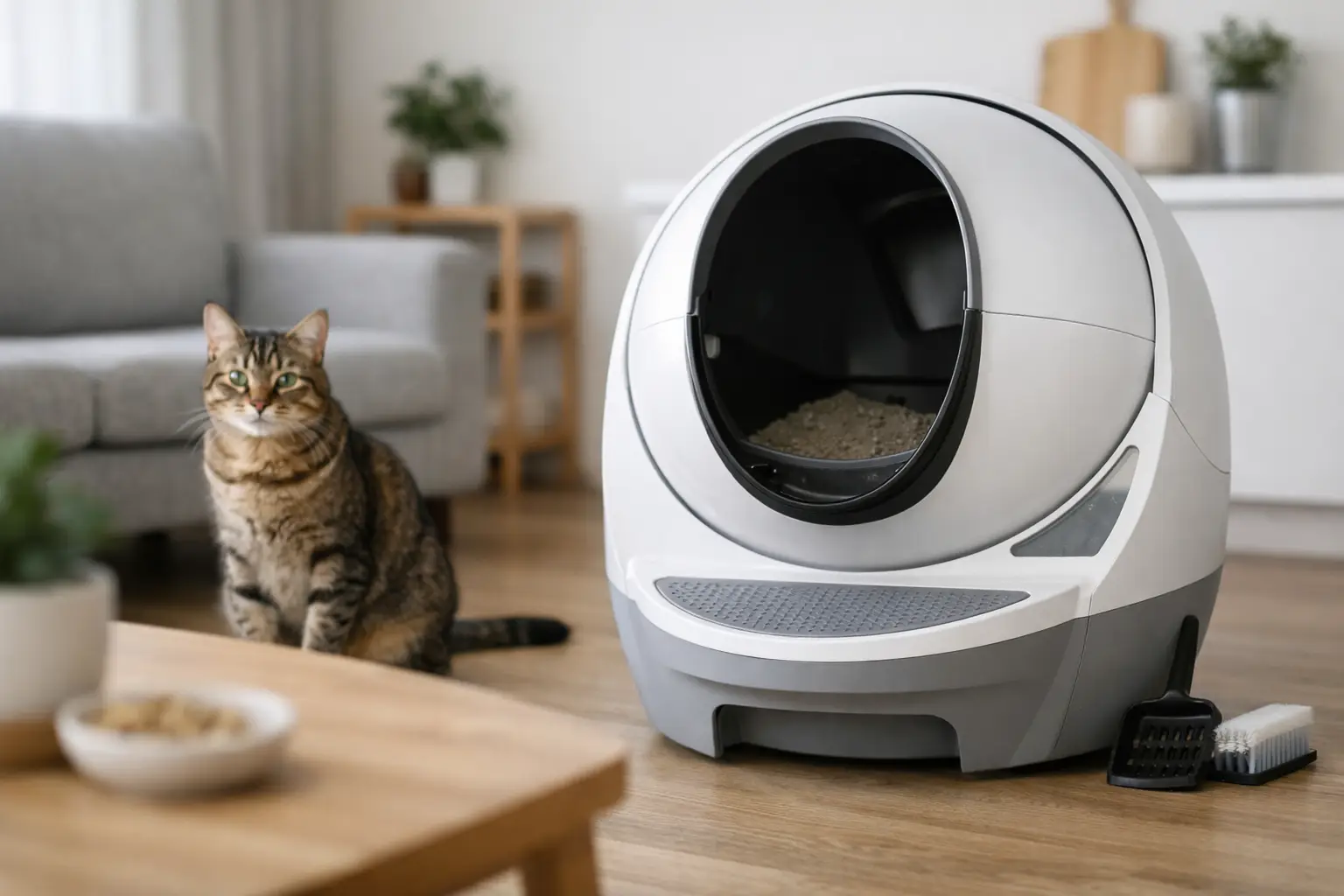
You usually know it by day three: the smell is better, your scooping routine is gone, and your cat either thinks the new box is a miracle or a suspicious robot. That is the real starting point for any automatic litter box review – not flashy app features, but whether it keeps the box clean, keeps your cat using it, and makes daily life easier without creating new problems.
For many households, an automatic litter box can be a genuine quality-of-life upgrade. It can reduce odor, keep waste from sitting in the box for hours, and make litter maintenance more manageable for busy owners or anyone with mobility limits. But it is not automatically the best choice for every cat. Some cats dislike enclosed spaces, some are sensitive to noise, and some medical issues make close litter box monitoring more important than convenience.
Automatic litter box review: the short verdict
The best automatic litter boxes solve one problem very well: they remove waste consistently after each use, which helps control odor and keeps the litter bed fresher. If you have one or two healthy adult cats that adapt well to change, the right unit can save time and cut down on the least pleasant part of cat care.
The trade-off is that you are buying a machine, not just a box. That means sensors can fail, waste drawers still need emptying, litter compatibility matters, and deep cleaning is still part of the job. It also means you should not treat automation as a substitute for paying attention to your cat’s bathroom habits. Changes in urination or stool can be early signs of illness, and the American Veterinary Medical Association stresses the importance of noticing shifts in normal habits and seeking veterinary care when something seems off. An automatic box can help with cleanliness, but it should never make you less observant.
What an automatic litter box does well
The biggest advantage is consistency. A standard litter box might get scooped once or twice a day if life is going well. An automatic unit often cycles shortly after each use, so the box stays cleaner between manual cleanings. For cats that are picky about cleanliness, that can be a major plus.
Odor control is usually better too, especially in smaller homes, apartments, or multi-cat households. Waste is moved into a sealed drawer or compartment instead of lingering on top of the litter. That does not make the area odor-free, but it often makes the smell more manageable.
These systems can also help owners who struggle with the physical side of scooping. Bending, lifting, and daily maintenance can be difficult for older adults, people recovering from injury, or anyone with a demanding schedule. In those cases, automation is not a luxury feature. It can be the difference between a box that stays acceptably clean and one that becomes hard to keep up with.
Where automatic litter boxes fall short
Price is the obvious hurdle. A good automatic litter box costs far more than a traditional pan and scoop. Even beyond the upfront cost, some models work best with specific waste bags, liners, or litter types, which can raise monthly expenses.
Then there is cat acceptance. Some cats adjust quickly, especially if the box is roomy and quiet. Others are deeply skeptical. A rotating drum, motor noise, or covered design can be enough to send a cat looking for another bathroom spot. According to the ASPCA, litter box aversion can be triggered by box design, cleanliness, location, and stress. If your cat already has a history of eliminating outside the box, an automatic model may help, but it may also make the issue worse if introduced too abruptly.
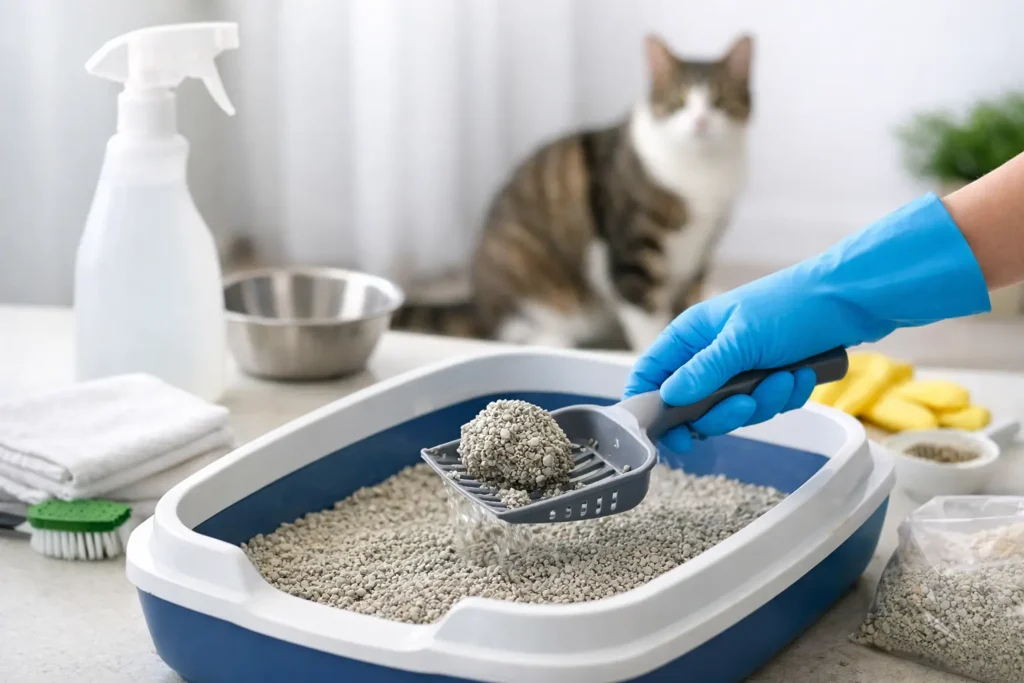
Maintenance is another reality check. Automatic does not mean hands-off. You still need to empty the waste drawer, replace litter, wipe interior surfaces, and check for clumps stuck to the mechanism. Some units are much easier to disassemble and clean than others, and that matters more over months of use than it does on the first day.
Features that matter more than marketing
If you are comparing models, focus first on size. Many popular units look sleek, but interior space can be tighter than it appears in photos. Bigger cats need enough room to turn, dig, and posture naturally. If your cat looks cramped, there is a good chance they will avoid it.
Sensor reliability comes next. A box should accurately detect when a cat is inside and delay cleaning until the cat has fully exited. That delay matters. It prevents interruption, reduces stress, and lowers the chance of a cat being startled by movement immediately after using the box.
Noise level is easy to underestimate. A moderately loud cycle may not bother you during the day, but a cautious cat can absolutely care. If your cat is already sensitive to vacuums, electronic feeders, or other household sounds, quieter operation should be high on your list.
Odor containment depends on more than a carbon filter claim. Look at how well the waste drawer seals, how often it must be emptied, and whether the unit allows waste to sit in a warm compartment where smells can build. A decent sealing system helps, but no box can fully overcome poor litter, delayed drawer changes, or an under-ventilated location.
App tracking can be useful, but it is not essential for every owner. In a multi-cat home, usage data may be less helpful unless the system can identify individual cats accurately by weight or tag. For a single-cat household, tracking bathroom frequency can be a nice extra, but it should not be the reason you buy the machine.
Which homes benefit most
In a one- or two-cat home with healthy adult cats, an automatic litter box often makes the most sense. The machine is easier to keep ahead of, waste volume is manageable, and you still have a reasonable chance of noticing changes in stool or urination habits.
Busy professionals and frequent travelers often appreciate the convenience, though it should not replace daily pet checks. If you are away overnight regularly, a cleaner box can make your cat more comfortable between visits from a pet sitter or family member.
It can also work well in small homes where odor control is a constant battle. A faster waste-removal cycle usually makes a noticeable difference in shared living spaces.
When a traditional box may be better
Kittens are often not the best candidates right away. Young cats can be more easily startled, and some automatic systems have minimum weight thresholds that may not register smaller bodies reliably.
Senior cats with arthritis or mobility issues may also do better with a low-entry traditional box, especially if automatic models require stepping up into a globe or enclosed chamber. The American Association of Feline Practitioners notes that litter box setup should support normal feline behavior and physical comfort, which includes access that does not make an older cat struggle.
Cats with urinary or digestive problems deserve extra caution. If your cat has a history of constipation, diarrhea, urinary tract issues, or inappropriate elimination, you may want the simplicity and visibility of a standard box while you monitor symptoms closely. PetMD and many veterinary sources routinely emphasize that litter box behavior can reveal subtle health changes before other symptoms are obvious.
How to switch without creating a problem
The safest way to introduce an automatic unit is gradually. Set the new box near the old one and leave it powered off at first. Let your cat inspect it, step in and out, and get used to the shape and litter texture before any movement begins.
Once your cat starts using it, turn on the automatic cycle. If your model allows manual or delayed cleaning at first, use the longest delay setting. That gives your cat time to leave and reduces the chance of associating the box with a sudden mechanical event.
Keep the old box available for at least a week or two, longer for cautious cats. If your cat starts avoiding the new box, do not force the issue. Slow down, return to manual mode if possible, and look at the basics: location, litter type, noise, and size.
Our practical take on value
A fair automatic litter box review should come down to one question: does this machine reduce daily friction without lowering your ability to care for your cat well? If the answer is yes, it can be a smart buy. If the box is too small, too noisy, hard to clean, or your cat clearly hates it, the convenience disappears fast.
For most owners, the sweet spot is a model that is roomy, dependable, easy to wash, and not overly complicated. Fancy extras are nice, but strong basics matter more. A box that quietly handles waste and does not ask much from your cat will usually outperform one packed with features your household never needed.
If you are considering one for the first time, think less about whether automatic litter boxes are worth it in general and more about whether your specific cat, home, and routine are a good match. The best setup is the one your cat will actually use – and the one that helps you stay consistent with care every single day.