


The information in this article is for educational and informational purposes only. It is not intended as veterinary advice, diagnosis, or treatment for any medical or health issue your pet may have.
Always consult a licensed veterinarian before making any decisions about your pet’s health, diet, medications, supplements, training, or care. Never disregard or delay professional veterinary advice based on content from this website.
BarkleyAndPaws.com and its authors assume no responsibility or liability for any errors, omissions, or outcomes resulting from the use of this information.
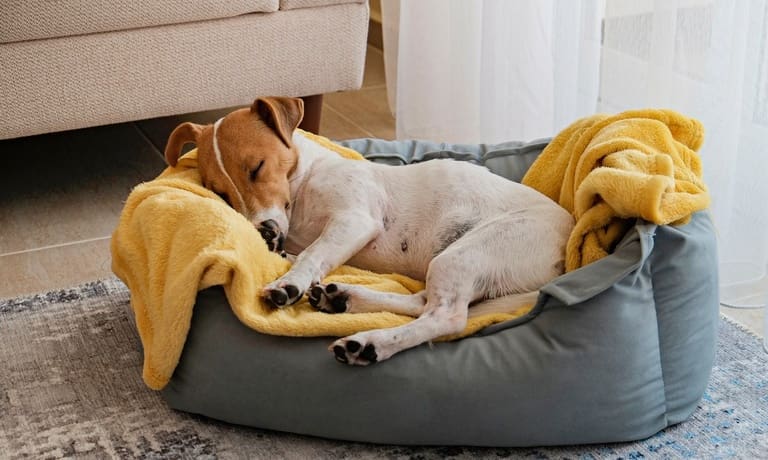
A favorite place to rest can change by the hour. Morning may call for a soft bed near the sofa, while a warm afternoon sends a pup toward cool tile. Those choices usually say more about comfort than indecision.
Different rest spots help pets feel comfortable around the house, especially when each room offers its own mix of quiet, warmth, or closeness. Many factors shape your pet’s daily choices, and understanding these can help you create comfortable rest spots that genuinely meet their needs. By considering what influences their behavior, you can make their day more enjoyable and relaxing.
Comfort Changes During the Day
Pets don’t need the same rest every time. A long nap might be in a cushioned bed in a quiet room, while a short break could be near the family area to stay close without joining in.
Body language helps owners understand these choices: a tight curl might indicate warmth or security, a stretched-out sprawl suggests they need space to cool down, and older pups may prefer softer support after play to reduce joint pressure.
One bed can still work well for deeper rest. Another spot may fit a different part of the day.
Temperature Guides the Next Nap
Pets notice warm and cool surfaces quickly. A sunny rug may feel good during a chilly morning. Later, that same space may feel too warm, especially for breeds with thick coats.
Cool flooring can attract a pet during hot weather. A tucked-away corner may feel better when the house gets busy. During colder months, a bed away from drafts may get more use.
Owners don’t need to put beds in every room. It helps to watch where a companion already settles and make those places more comfortable when possible.
Household Noise Matters
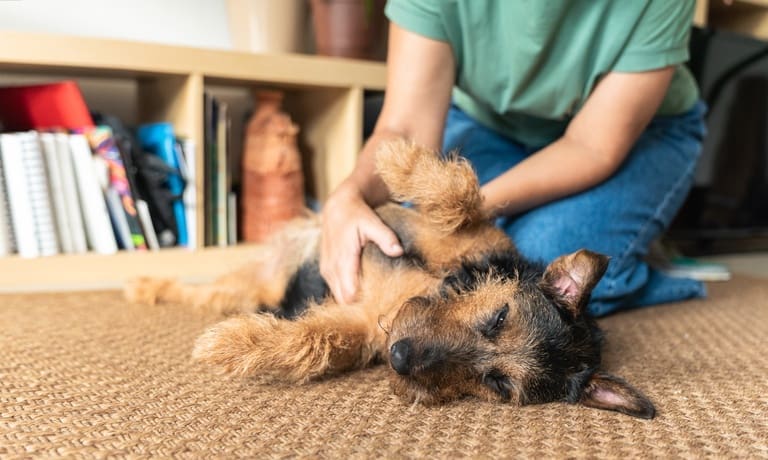
A pet may choose a quiet room for deeper sleep and still prefer a central spot during the day. That makes sense. Many animals like rest while still keeping track of their people.
A bed near the living room can support that need without putting them in the middle of foot traffic. A calmer corner can help during visits, cleaning days, or louder moments at home. The goal isn’t to create a perfect rest zone. It’s to give a household companion a few reliable choices.
Bed Style Should Match the Pet
The right bed depends on habit as much as size. Some pets like to lean into a raised edge. Others want room to sprawl. A burrower may prefer a bed with a softer, nest-like feel.
Matching bed styles to your dog’s personality can help you choose something your companion will use. Sleep position, age and daily behavior often matter more than how the bed looks in the room.
A Simple Rest-Spot Check
Notice where your pet settles when the house feels warm. Watch where they go when the room gets noisy. Pay attention to whether they curl, stretch, or lean while resting. Those small habits can point toward the kind of comfort each space should offer.
Rest Should Fit the Home
The reason pets benefit from different rest spots throughout the house comes down to choice. They may want warmth in one moment and quiet in another.
A few well-placed rest areas can make the home easier to navigate. When comfort feels available in more than one room, rest becomes part of the daily rhythm.