

The information in this article is for educational and informational purposes only. It is not intended as veterinary advice, diagnosis, or treatment for any medical or health issue your pet may have.
Always consult a licensed veterinarian before making any decisions about your pet’s health, diet, medications, supplements, training, or care. Never disregard or delay professional veterinary advice based on content from this website.
BarkleyAndPaws.com and its authors assume no responsibility or liability for any errors, omissions, or outcomes resulting from the use of this information.
You clean up one pile of vomit, tell yourself it was probably a hairball, and then it happens again the next day. If you’re asking, why is my cat vomiting, the honest answer is that the cause can range from mildly annoying to genuinely urgent. Cats vomit for plenty of reasons, and the trick is figuring out when it is a one-off upset stomach and when it is your cat’s way of signaling a bigger health problem.
Why is my cat vomiting in the first place?
Vomiting is not a disease by itself. It is a symptom. Sometimes the explanation is simple, like eating too fast or coughing up a hairball after a heavy grooming session. Other times, vomiting is tied to inflammation in the stomach or intestines, food intolerance, parasites, toxin exposure, kidney disease, pancreatitis, diabetes, or even a blockage from swallowing string, ribbon, or part of a toy.
The pattern matters as much as the vomit itself. A cat that vomits once and then goes back to eating, drinking, and acting normal is very different from a cat that is vomiting repeatedly, hiding, refusing food, or looking weak. Frequency, timing, appetite, and energy level all help paint the picture.
Hairballs versus true vomiting
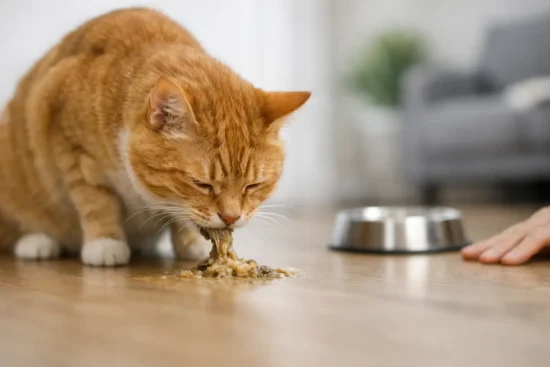
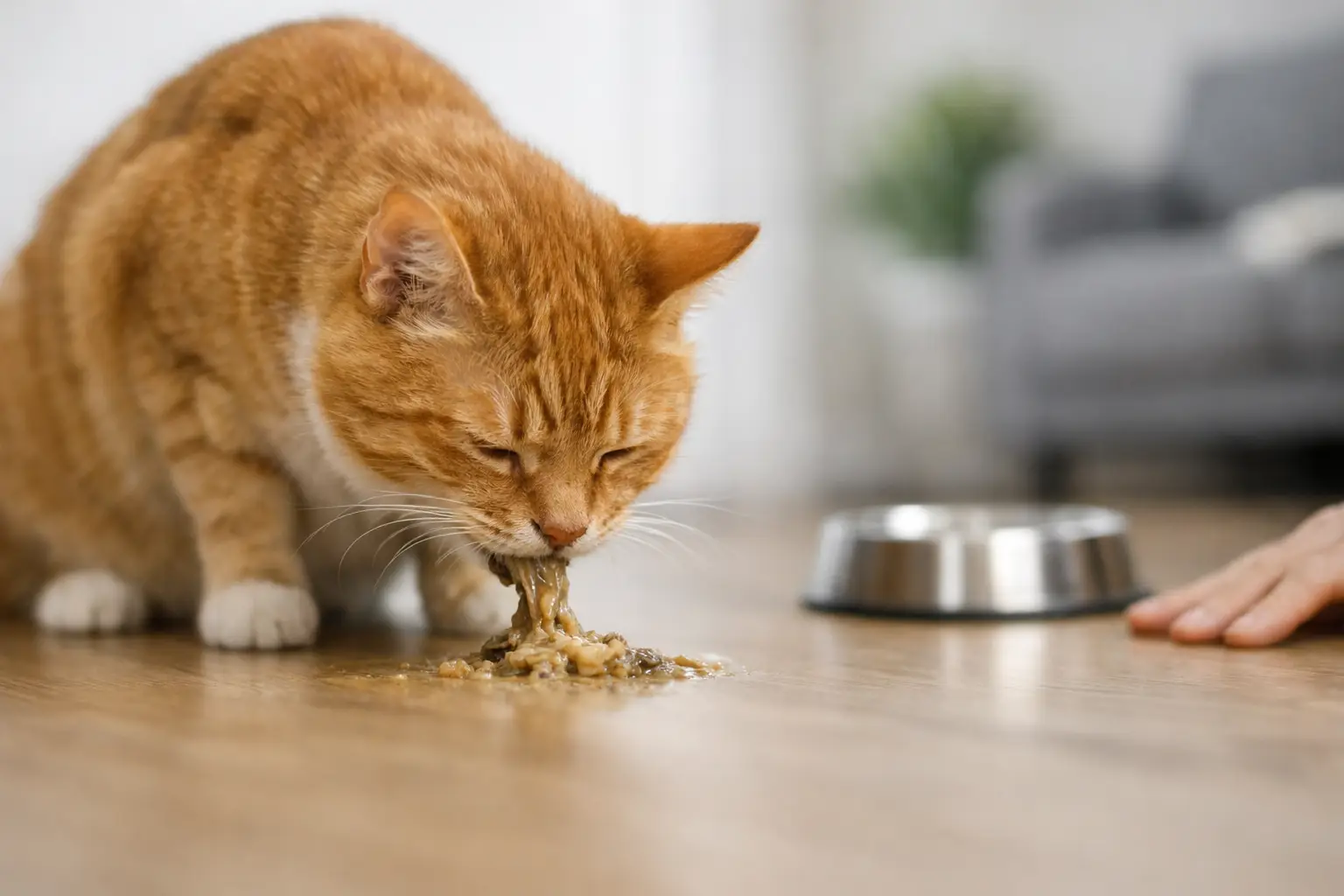
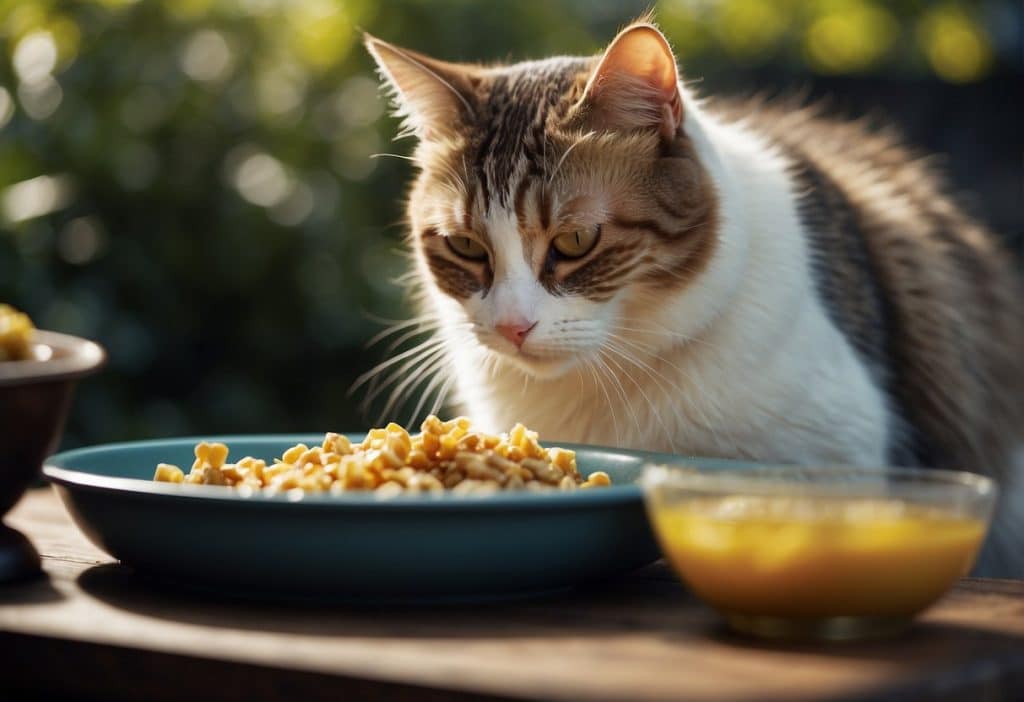
This is where many cat owners get tripped up. Hairballs are common, especially in long-haired cats and frequent groomers. A hairball episode usually involves retching and then producing a tubular clump of wet hair. True vomiting often includes partially digested food, yellow bile, clear fluid, or foam.
Some owners assume all cat vomiting is hairball-related, but that can delay needed care. If your cat is vomiting often and there is little or no hair in it, hairballs may not be the real issue.
Common reasons your cat may be vomiting
One of the most common causes is eating too fast. Cats that inhale their meals can bring food right back up within minutes. This is closer to regurgitation than classic vomiting, but many owners describe both the same way. If the food looks mostly undigested and comes up quickly after eating, speed may be part of the problem.
Diet changes can also upset a cat’s stomach. Switching foods too quickly, offering rich treats, or giving table scraps can lead to vomiting. Some cats are especially sensitive to certain proteins or ingredients, and repeated vomiting after meals can point to a food intolerance.
Hairballs are another routine culprit, but they should not become the catch-all explanation for frequent vomiting. A cat that vomits hairballs once in a while may simply need more grooming support or a hairball management plan. A cat that vomits several times a week deserves a closer look.
Parasites are more common in kittens, outdoor cats, and newly adopted cats, but adults can get them too. Worms and other intestinal parasites can irritate the digestive tract and trigger vomiting, along with diarrhea or weight loss.
Then there are the more serious medical causes. Chronic kidney disease, hyperthyroidism, inflammatory bowel disease, pancreatitis, liver disease, and diabetes can all show up with vomiting. In older cats especially, vomiting should not be brushed off as normal aging.
A foreign body is one of the biggest emergencies. Cats love string-like objects, and swallowing thread, tinsel, dental floss, ribbon, or elastic bands can cause dangerous intestinal blockage or injury. If your cat is vomiting and you know or suspect they ate something they should not have, call your vet right away.
What the vomit can tell you
The appearance of the vomit is not a diagnosis, but it can offer clues. Food that comes up right after eating may suggest eating too quickly, regurgitation, or a problem in the esophagus. Yellow or green fluid often means bile, which can happen when a cat vomits on an empty stomach. White foam may show up with stomach irritation or repeated empty-stomach vomiting.
Blood is more concerning. Bright red blood can point to irritation, trauma, or active bleeding. Dark, coffee-ground material can indicate digested blood and needs veterinary attention.
If you notice worms in the vomit, save a photo if you can and contact your vet. The same goes for plant material, string, or pieces of a toy. Those details matter.
When vomiting is an emergency
Some vomiting can wait for a routine appointment. Some cannot. If your cat is vomiting repeatedly within a few hours, cannot keep water down, seems lethargic, cries when picked up, has a swollen belly, struggles to breathe, or stops eating entirely, it is time to call a veterinarian urgently.
The same goes for kittens, senior cats, and cats with known medical conditions. They can become dehydrated faster and have less margin for error. Any vomiting after possible toxin exposure is also an emergency. Common household risks include lilies, essential oils, human medications, rodent bait, chocolate, and certain cleaning products.
Red flags that need prompt vet care
If your cat is vomiting and also has diarrhea, weight loss, pale gums, fever, trouble walking, or obvious pain, do not take a wait-and-see approach for too long. A good rule is simple: one mild episode in an otherwise normal cat may be monitor-worthy, but repeated vomiting or vomiting with any other symptom deserves medical advice.
Why is my cat vomiting but acting normal?
This is one of the most common and frustrating scenarios. A cat may vomit and then seem perfectly fine, which makes it tempting to ignore. Sometimes that is reasonable. A single episode caused by a hairball, fast eating, or minor stomach upset may pass without any follow-up needed.
But if your cat vomits regularly, even while acting normal between episodes, it is worth investigating. Cats are masters at masking illness. Chronic vomiting is not something to normalize just because your cat still jumps on the couch and asks for dinner.
A pattern of vomiting once or twice a week can still point to chronic gastrointestinal disease, food sensitivity, hairball overload, or an early metabolic problem. It may not be an emergency, but it is not nothing.
What you can do at home first
Start by looking for patterns. Note when the vomiting happens, what your cat ate, whether they were coughing or retching first, and what the material looked like. Keep track of appetite, litter box habits, energy level, and any recent changes in food, treats, stress, or environment. That information helps your vet far more than a general report of my cat threw up again.
If your cat seems otherwise normal after a single mild episode, you can monitor closely. Offer small amounts of water and avoid introducing any new foods or treats. If your cat tends to eat too fast, try smaller, more frequent meals. Puzzle feeders or slow-feeding bowls can help some cats, especially in multi-cat homes where mealtime feels competitive.
For frequent hairballs, step up grooming. Regular brushing reduces how much loose hair your cat swallows, and that can make a real difference during shedding seasons.
What you should not do is give human stomach medications unless your veterinarian specifically tells you to. Many over-the-counter drugs are not safe for cats, and the wrong medication can make the situation worse.
What your vet may look for
If the vomiting keeps happening, your vet will usually start with a physical exam and a good history. Depending on your cat’s age and symptoms, they may recommend fecal testing, bloodwork, urinalysis, X-rays, or ultrasound. Sometimes the answer is straightforward, like parasites or diet intolerance. Sometimes it takes a little more digging.
The goal is not just to stop the vomiting. It is to find out why it is happening. Treatment could involve a diet trial, anti-nausea medication, fluids, parasite treatment, hairball management, or therapy for an underlying disease.
There is always a bit of trade-off here. Watching at home avoids unnecessary stress for a cat that had one minor episode. Waiting too long can mean missing the window to catch a treatable problem early. If your gut says the pattern is off, trust that and make the call.
A calmer way to think about cat vomiting
Most cat owners will deal with vomit at some point, and not every episode means something serious is wrong. Still, frequent or unexplained vomiting should never be written off as just a cat thing. Paying attention to patterns, acting quickly on red flags, and getting help when the behavior changes can spare your cat a lot of discomfort and give you a lot more peace of mind.
If your cat keeps vomiting, think less about cleaning up the mess and more about gathering clues. That shift is often what gets you to the right answer faster.