

The information in this article is for educational and informational purposes only. It is not intended as veterinary advice, diagnosis, or treatment for any medical or health issue your pet may have.
Always consult a licensed veterinarian before making any decisions about your pet’s health, diet, medications, supplements, training, or care. Never disregard or delay professional veterinary advice based on content from this website.
BarkleyAndPaws.com and its authors assume no responsibility or liability for any errors, omissions, or outcomes resulting from the use of this information.
That wet-dog smell after a muddy walk, the mats hiding behind the ears, the click-click of nails on the kitchen floor – most owners know when grooming has been ignored. The harder question is how often should you groom a dog when every breed, coat, and lifestyle seems to come with different rules.
The short answer is that most dogs need some form of grooming every week, but the right schedule depends on coat type, skin condition, activity level, and what kind of mess your dog gets into on a regular basis. A Labrador that sheds all over the couch needs a different plan than a Poodle mix that tangles if you look at it wrong.
How often should you groom a dog based on coat type?
Coat type is the best place to start because it shapes nearly every part of grooming, from brushing frequency to professional appointments.
Short-haired dogs like Beagles, Boxers, and many pit bull-type dogs are usually the lowest maintenance. They still shed, collect dander, and need skin checks, but they often do well with brushing once a week and baths every one to three months unless they get dirty sooner. Owners sometimes assume short coats mean no grooming, but that is how you miss dry skin, lumps, ear irritation, and overgrown nails.
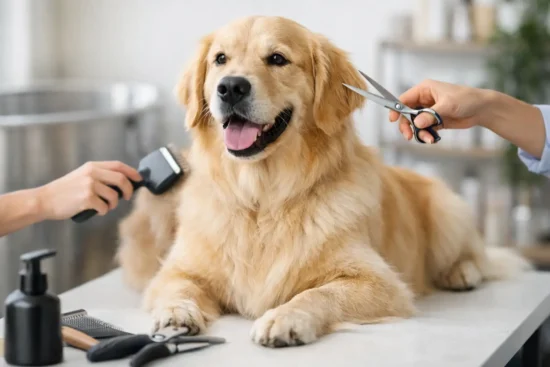
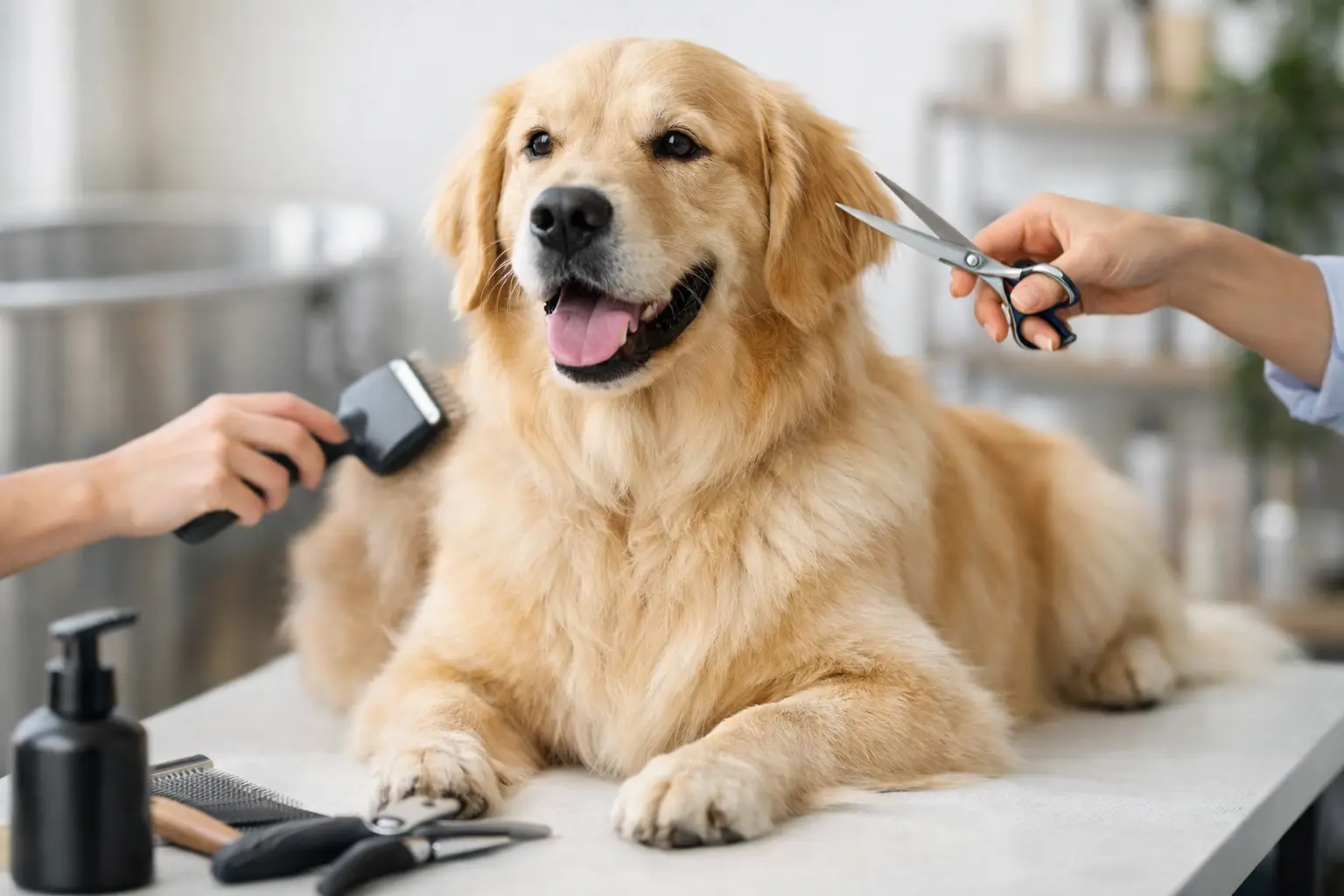
Double-coated dogs like Golden Retrievers, Huskies, German Shepherds, and many herding breeds need more consistent upkeep. Their undercoat traps loose hair, dirt, and moisture, especially during seasonal shedding. Brushing two to four times a week is a realistic baseline, and daily brushing may help during heavy shed seasons in spring and fall. Baths are usually needed every four to eight weeks, depending on odor, skin health, and outdoor activity.
Curly, wavy, or continuously growing coats, common in Poodles, Doodles, Bichons, and some terriers, need the most structured routine. These coats do not always shed much, which sounds convenient until the loose hair stays trapped and forms mats. Many of these dogs need brushing at least three to four times a week, and some need a quick comb-through every day. Professional grooming is often needed every four to eight weeks to keep the coat manageable and comfortable.
Wire-haired breeds like Schnauzers and Wire Fox Terriers usually need regular brushing and occasional hand-stripping or clipping, depending on the desired coat texture and whether the dog is a pet or show dog. Silky-coated breeds such as Yorkies, Shih Tzus, and Maltese can mat quickly and often need frequent brushing plus regular trims.
A practical grooming schedule for most dogs
If you want a working routine instead of a vague guess, break grooming into separate tasks. Dogs do not need everything done on the same day.
Brushing is the most frequent job. For low-maintenance short coats, once a week may be enough. For medium or long coats, aim for two to four times a week. For curly, silky, or mat-prone coats, brushing may need to happen almost daily.
Bathing is less frequent than many people think. Most healthy dogs do well with a bath every one to three months, but there are exceptions. Dogs with skin allergies may need medicated baths on a veterinary schedule. Dogs that swim, hike, roll in who-knows-what, or sleep in your bed may need more frequent washing. Bathing too often can dry the skin, especially if you use a harsh shampoo.
Nail trimming usually needs attention every three to six weeks. If you hear nails tapping on hard floors, they are probably too long. Some active dogs wear their nails down naturally, especially if they walk on pavement often, but many do not.
Ear cleaning depends on the dog. Floppy-eared breeds, water-loving dogs, and dogs prone to wax buildup may need weekly checks and occasional cleaning. Others only need ears looked at and left alone unless there is visible debris or odor.
Teeth are part of grooming too, even if owners tend to separate dental care from coat care. Daily brushing is ideal, but a few times a week is still better than ignoring it.
When professional grooming makes sense
At-home maintenance works for many dogs, but professional grooming can save a lot of trouble, especially for coats that mat, grow continuously, or need precise trimming.
A good rule is every four to eight weeks for dogs with high-maintenance coats. That includes many Poodle mixes, Shih Tzus, Cocker Spaniels, and long-haired small breeds. Some dogs can stretch appointments a bit longer if they are brushed thoroughly at home. Others should go more often because their coat gets dense fast or they dislike being handled for home grooming.
Professional groomers also help spot issues owners may miss, like ear infections, fleas, skin irritation, hot spots, or painful matting under the collar and armpits. If grooming at home has turned into a wrestling match, regular appointments may be safer for both you and your dog.
Signs your dog needs grooming sooner
Schedules are helpful, but your dog may tell you before the calendar does.
A tangled coat, greasy feel, strong odor, visible dandruff, ear debris, staining around the eyes, or nails curling toward the paw are all signs grooming should happen sooner. Heavy shedding is another clue that brushing is overdue, especially in double-coated breeds.
Behavior can shift too. Some dogs start licking, scratching, head-shaking, scooting, or resisting touch when grooming has been neglected or when a skin problem is developing. A matted coat is not just cosmetic. It can pull on the skin, trap moisture, and create real discomfort.
How lifestyle changes the answer
How often should you groom a dog if that dog spends most days on the couch versus charging through trails and puddles? Lifestyle matters more than many owners expect.
City dogs that mostly do leash walks may stay cleaner longer than rural dogs that run through fields. Dogs that visit the beach, swim often, or go to daycare may need more frequent baths and ear checks. Senior dogs may need extra help because they cannot clean themselves as well or stand comfortably for long grooming sessions. Puppies often need short, positive sessions more often so they learn to tolerate brushing, bathing, nail trims, and dryers before those tasks become stressful.
The season matters too. Winter can mean dry skin and muddy paws. Summer can mean more swimming, more allergens, and more burrs in the coat. Spring and fall often bring major shedding in double-coated breeds, which calls for more brushing even if the bath schedule stays the same.
How often should you groom a dog with sensitive skin?
Dogs with allergies, dry skin, or medical conditions need a more customized plan. In these cases, more grooming is not always better.
Frequent bathing with the wrong shampoo can make itching worse. On the other hand, some dogs with environmental allergies improve with regular baths using a gentle or medicated product recommended by a veterinarian. The same goes for ear cleaning and coat products. Overdoing it can irritate the skin, but ignoring buildup can lead to infection.
If your dog has red skin, recurrent hot spots, chronic ear issues, hair loss, or strong odor shortly after a bath, it is smart to check with your vet before increasing the grooming schedule. The problem may not be hygiene. It may be allergies, yeast, parasites, or another skin condition.
Building a routine you can actually keep
The best grooming schedule is the one you will follow consistently. That usually means keeping sessions short and tying them to your normal week.
A quick brush after your Saturday walk, a nail check at the end of each month, and a bath when your dog is truly dirty is more useful than promising yourself a perfect spa routine you will never maintain. Keep your tools simple and matched to your dog’s coat. A slicker brush, comb, nail trimmer or grinder,
It also helps to start small if your dog hates grooming. Brush for two minutes, reward generously, and stop before your dog gets overwhelmed. Cooperative care takes practice. For many dogs, especially rescues or nervous puppies, the emotional part of grooming matters just as much as the physical care.
At Barkley and Paws, we like practical routines because they are what keep pets comfortable between big grooming days. If you are unsure where to start, ask your vet or groomer what schedule fits your dog’s coat, skin, and age.
A well-groomed dog does not need to look show-ready. They just need to be clean, comfortable, and easy to care for – and that is a standard every owner can work toward.