

The information in this article is for educational and informational purposes only. It is not intended as veterinary advice, diagnosis, or treatment for any medical or health issue your pet may have.
Always consult a licensed veterinarian before making any decisions about your pet’s health, diet, medications, supplements, training, or care. Never disregard or delay professional veterinary advice based on content from this website.
BarkleyAndPaws.com and its authors assume no responsibility or liability for any errors, omissions, or outcomes resulting from the use of this information.
When an older dog starts circling longer before lying down, hesitates at bedtime, or struggles to get up in the morning, the bed usually becomes more than a cozy accessory. The best dog beds for seniors can make daily life noticeably easier by reducing pressure on stiff joints, keeping body temperature more stable, and giving your dog a safer place to rest.
That matters because aging dogs often deal with arthritis, muscle loss, and mobility changes that affect how comfortably they sleep. A plush bed that looked perfect a few years ago may now be too soft, too flat, or too hard to step into. The right choice depends less on cute design and more on support, accessibility, and your dog’s specific habits.
What senior dogs actually need from a bed
Most older dogs need firmer support than younger dogs, not extra fluff. A bed that sinks too deeply can make it harder for sore hips, knees, and elbows to get comfortable, and even harder to stand back up. That is why orthopedic foam is often the first feature worth looking for. It distributes weight more evenly and helps reduce pressure points.
Height also matters. If your dog has trouble stepping over raised edges, a low-profile mattress bed may be easier than a heavily bolstered one. On the other hand, some seniors sleep better with a supportive bolster to lean against, especially if they like resting their head up. It really comes down to how your dog lies down and how they rise.
Temperature is another overlooked factor. Senior dogs can be more sensitive to cold floors, and thin filling does very little to insulate them. Beds with dense foam or layered construction usually do a better job of keeping older bodies off chilly surfaces. For dogs with thinning coats, this can make a real difference overnight.
How to choose the best dog beds for seniors
A good bed starts with your dog’s body, not the product label. Measure your dog while they are sleeping in their usual position. If they sprawl, you will need more surface area than you might expect. If they curl tightly, bolsters may add comfort without taking up much room.
Pay close attention to entry and exit. Beds with tall walls or deep cushioning can frustrate dogs with weak hind legs. If your dog has arthritis or balance issues, a flat bed with one low side is often the safest setup. A non-slip bottom is also worth having, especially on hardwood or tile.
Washability should not be treated as a bonus. Senior dogs are more likely to have accidents, drool more, track in debris after slower walks, or need extra grooming support. A removable, machine-washable cover saves time and makes the bed more usable long term.
If your dog has a diagnosed joint condition, it is smart to match the bed to what your veterinarian is already seeing. Dogs with elbow calluses, advanced arthritis, or spinal issues may need a different level of support than a dog who is simply slowing down with age.

9 best dog beds for seniors to consider
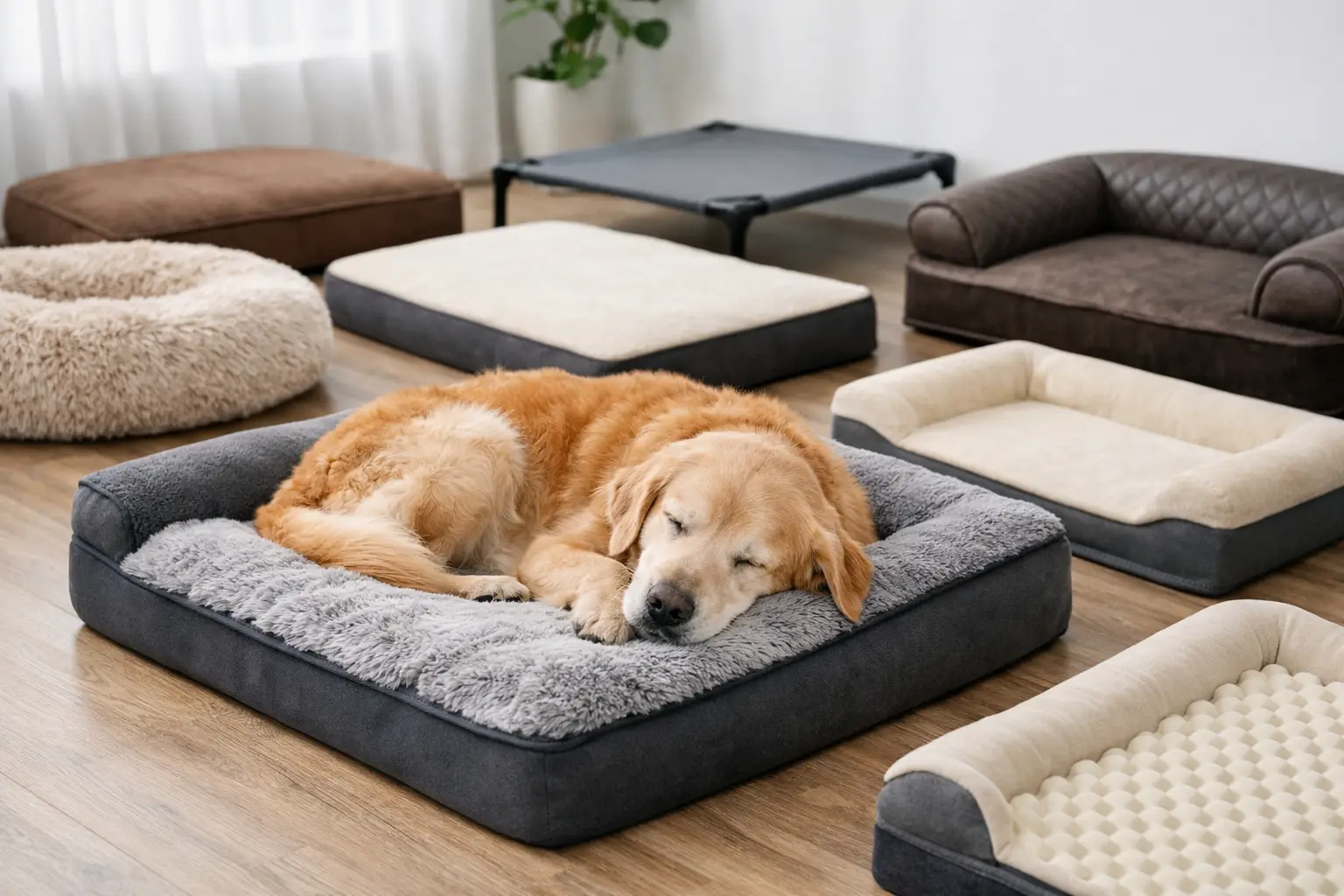
1. A high-density orthopedic foam mattress bed
For many senior dogs, this is the safest all-around pick. High-density foam offers enough give for comfort without letting the body sag. It works especially well for dogs with arthritis, hip stiffness, or large breeds that need more structural support.
The trade-off is that some foam beds run hot, and cheaper versions may flatten quickly. Look for a thick foam core rather than shredded fill if support is your top priority.
2. A memory foam bed with a low entry point
Memory foam can contour nicely around pressure points, which helps dogs who seem restless overnight. If your dog struggles to settle, this style can feel gentler on shoulders and hips than a standard polyfill bed.
Still, memory foam varies a lot by brand. Beds that are too soft can trap a dog in one spot, which is not ideal for seniors who already have trouble standing. Medium-firm usually works better than ultra-plush.
3. A sofa-style orthopedic bed with one open side
This is a nice middle ground for older dogs that like head support but do not want to climb over a full wall. The open front gives easier access, while the side and back bolsters provide a sense of security and a place to lean.
This style tends to work well for medium and large dogs who still enjoy nesting. Just make sure the center cushion is orthopedic, not just stuffed with loose filling.
4. A cooling orthopedic bed for seniors that overheat
Some older dogs sleep hot, especially heavier breeds or dogs with dense coats. A cooling surface paired with supportive foam can improve comfort without sacrificing joint relief.
Cooling beds are helpful, but they are not magic. If your home tends to be cold, a cooling fabric may make a thin-coated senior less comfortable. This is one of those cases where your dog’s normal sleep temperature matters more than trends.
5. A warming bed for small or thin-coated seniors
Tiny seniors and dogs with little body fat often need extra warmth more than extra cushioning. Beds with self-warming materials or dense, insulated foam can help them rest more deeply, especially in winter or drafty rooms.
Heated beds can work, but they require more caution. For dogs with reduced mobility, you want steady, gentle warmth and a cord setup that is truly pet-safe.
6. A waterproof orthopedic bed for dogs with accidents
For seniors dealing with incontinence, washable covers are helpful, but a waterproof liner is even better. It protects the foam core from odor and bacteria buildup and extends the life of the bed.
This style is practical, not glamorous, and that is fine. Comfort matters, but so does keeping the sleep area clean and easy to maintain.
7. A raised cot-style bed with support for outdoor seniors
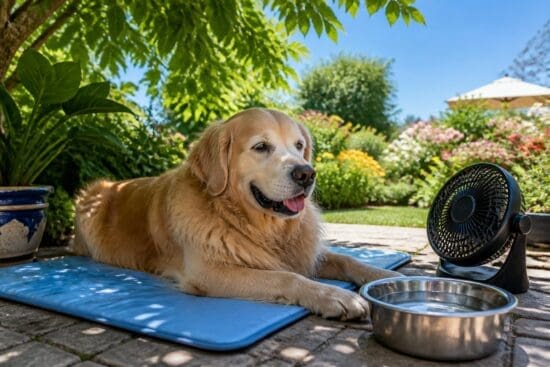
If your older dog spends time on a porch, patio, or in the yard, a supportive elevated bed can keep them off hot or damp ground. This is more of a daytime option than an overnight orthopedic solution for most seniors.
The caution here is stability. Some raised beds wobble or require a bigger step up than an older dog can manage comfortably. For very arthritic dogs, ground-level support is often the better choice indoors.
8. A crate-compatible orthopedic pad
Some senior dogs still love the familiarity of a crate, especially if they have used one for years. A crate pad with real orthopedic support can preserve that routine without forcing them onto a thin mat.
The challenge is thickness. Too much loft can reduce usable crate height or make footing unstable. Look for dense support in a lower-profile shape.
9. A bed with replaceable covers or foam inserts
This option is less about the dog’s condition and more about long-term value. Senior dogs often need one dependable bed in several rooms, or they may wear through bedding faster because they spend more time resting. Beds with replaceable parts are often a smarter buy than cheap options you keep replacing.
It is not the most exciting category, but practical features usually matter more after month three than they do on delivery day.
Signs your dog’s current bed is no longer working
If your dog avoids their bed, sleeps on the rug instead, struggles to get comfortable, or seems stiff after waking, the bed may be part of the problem. Flattened filling, clumped stuffing, and sagging centers are common issues. You may also notice more pacing at night or frequent position changes.
A bed can look fine to people and still feel lousy to a dog with aging joints. If your senior seems more restless but there has been no major household change, the sleep setup is worth revisiting.
Bedding features that are worth the money
The best upgrades tend to be thick orthopedic foam, machine-washable covers, waterproof liners, and non-slip bottoms. Those features directly affect comfort, hygiene, and safety. Fancy design details matter much less.
If you are deciding where to spend more, put your budget into the interior construction first. A stylish cover cannot fix weak support, but a well-made foam base with a simple cover can still serve an older dog very well.
When a better bed is not enough
Even the best dog beds for seniors cannot solve pain on their own. If your dog cries when lying down, pants at rest, limps, stops wanting to climb onto familiar spots, or seems unusually withdrawn, it is time for a veterinary check-in. A bed helps with comfort, but it does not treat arthritis, neurologic issues, or other age-related problems.
Sometimes owners assume their dog is just getting old, when the real issue is untreated discomfort. A more supportive bed works best as part of a bigger comfort plan that may include weight management, medication, mobility support, and adjusted exercise.
A senior dog’s world gets smaller in very specific ways. They may move slower, choose familiar places, and need more help settling in. Giving them a bed that supports those changes is a simple act of care, and often one they feel every single day.