

The information in this article is for educational and informational purposes only. It is not intended as veterinary advice, diagnosis, or treatment for any medical or health issue your pet may have.
Always consult a licensed veterinarian before making any decisions about your pet’s health, diet, medications, supplements, training, or care. Never disregard or delay professional veterinary advice based on content from this website.
BarkleyAndPaws.com and its authors assume no responsibility or liability for any errors, omissions, or outcomes resulting from the use of this information.
That smell hits first – a little sour, a little musty – and suddenly you are wondering whether your dog just needs a quick ear cleaning or a trip to the vet. If you are searching for how to clean dog ears, the good news is that the process is usually simple at home when your dog’s ears are healthy. The catch is that sore, infected, or damaged ears should not be treated like routine grooming.
A lot of dog owners are told to clean ears regularly, but not every dog needs the same schedule. Some dogs rarely build up wax. Others, especially dogs with floppy ears, heavy swimming habits, allergies, or a history of ear infections, may need more frequent care. According to the American Kennel Club, overcleaning can irritate the ear canal, so more is not always better. The goal is maintenance, not scrubbing ears until they look spotless.
How to clean dog ears the right way
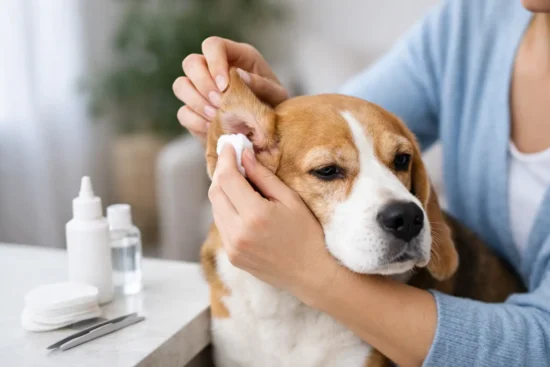
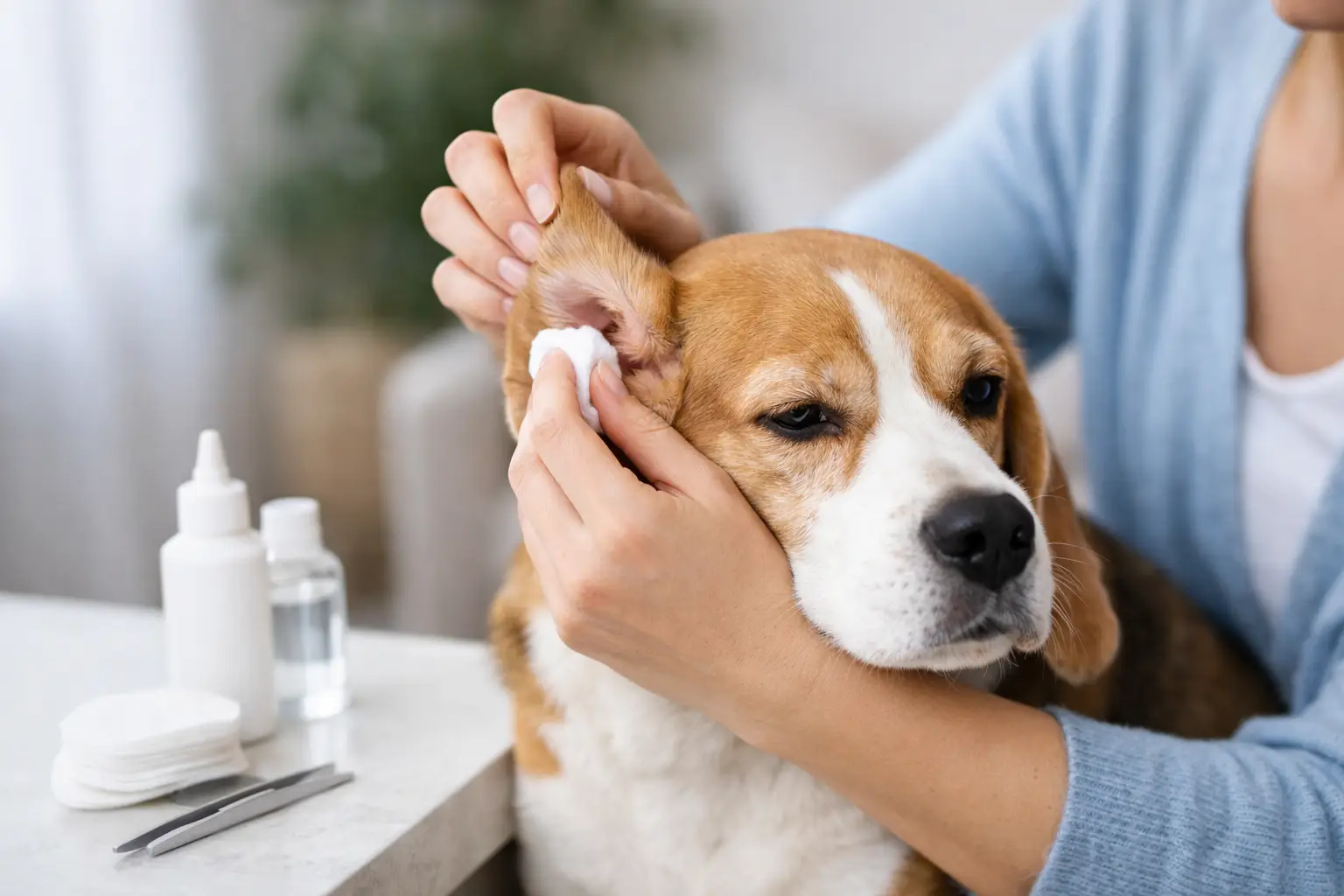
Start with the right setup. You will need a veterinarian-approved dog ear cleaner, cotton balls or gauze, and a few treats. Skip cotton swabs, hydrogen peroxide, rubbing alcohol, and homemade mixtures unless your veterinarian specifically tells you otherwise. Those can sting, dry out the skin, or push debris deeper into the ear.
Pick a calm time when your dog is relaxed. After a walk, after dinner, or during a quiet grooming session usually works better than trying to do it when your dog is wound up. If your dog already hates ear handling, go slowly and reward every small step, even if all you accomplish the first day is touching the outer ear and offering praise.
Lift the ear flap and look before you clean. A healthy ear is usually light pink, with a small amount of pale wax and no strong odor. If you see dark discharge, marked redness, swelling, bleeding, crusting, or your dog yelps when touched, stop there and call your vet. The ASPCA notes that head shaking, scratching, odor, and discharge can all point to an infection or mites rather than a basic cleaning issue.
If the ear looks healthy, fill the ear canal with the cleaning solution according to the label. This can feel like a lot of liquid, but dog ear cleaners are designed to loosen wax and debris. Gently massage the base of the ear for about 20 to 30 seconds. You will hear a squishing sound, which means the cleaner is moving around where it should.
Then step back and let your dog shake. This is messy, but useful. Shaking helps bring loosened debris up and out. After that, use cotton balls or gauze to wipe the visible part of the ear canal and the inside of the ear flap. Only clean what you can easily see. Never push anything down into the canal.
Repeat on the other ear with fresh cotton or gauze. Finish with treats and a break. Even dogs that tolerate ear care well deserve a little celebration afterward.
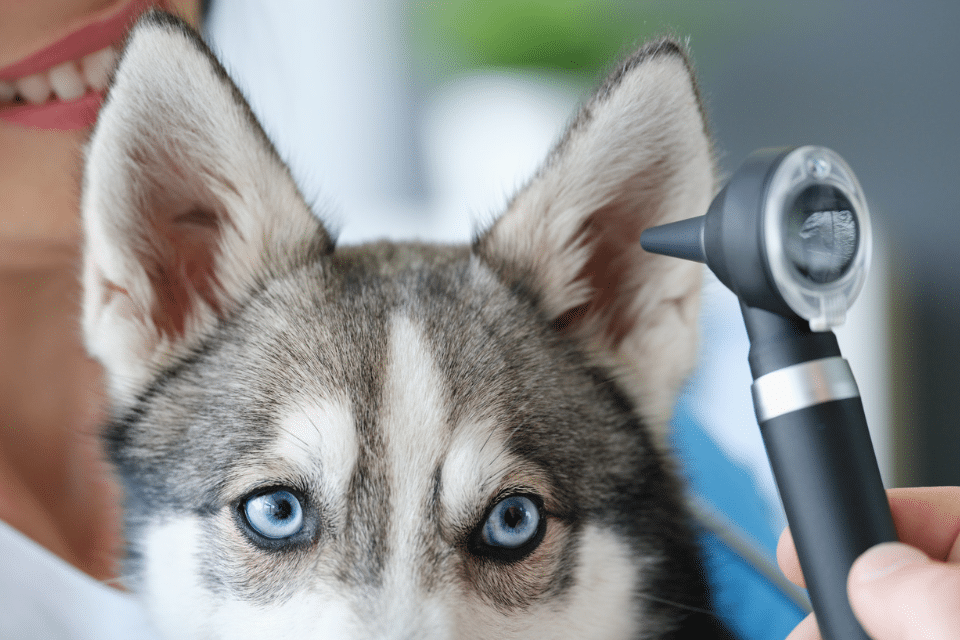
A quick note on what “clean” should look like
Clean ears do not have to be perfectly wax-free. A small amount of wax is normal. Chasing every speck can leave the ear irritated, especially in dogs with sensitive skin or allergies. You are aiming for comfortable, odor-free ears without visible buildup, not a polished finish.
How often should you clean your dog’s ears?
This is where it depends really matters. Some dogs need ear care every week, while others only need it once in a while. Dogs with upright ears and no skin issues may go months without needing help. Dogs with floppy ears, hairy ear canals, chronic allergies, or frequent swims often need closer monitoring.
A good rule is to check the ears weekly and clean only when you notice mild wax or debris. If your veterinarian has given you a schedule because your dog is prone to infections, follow that plan over general advice online. VCA Animal Hospitals explains that many ear problems are tied to underlying causes like allergies, moisture, or anatomy, so the right routine depends on the dog in front of you.
Swimming is one of the biggest variables. Moisture trapped in the ear creates a friendlier environment for yeast and bacteria. If your dog swims often, your vet may suggest a drying or maintenance cleaner after water exposure. That does not mean every post-bath ear needs a full flush, but it does mean ears should not be ignored if dampness is part of your dog’s normal week.
Signs you should not clean the ears at home
Sometimes an ear that looks dirty is actually inflamed. In that case, cleaning can make a painful problem worse or delay treatment your dog really needs.
Call your veterinarian if you notice a strong odor, thick brown, yellow, or bloody discharge, marked redness, swelling, repeated head shaking, loss of balance, whining when the ear is touched, or a sudden tilt of the head. These signs can point to infection, ear mites, a ruptured eardrum, a foreign object, or deeper inflammation. PetMD also notes that recurring ear infections are often linked with allergies, which means the ear issue may be just one part of a bigger pattern.
If your dog has a history of severe ear infections, ask your vet to show you exactly how to clean the ears safely for that specific case. Some dogs need medicated drops, not routine cleaner. Others should avoid cleaning until the canal is examined.
Common mistakes when learning how to clean dog ears
The biggest mistake is using the wrong product. Human ear cleaners, alcohol, peroxide, and vinegar-based DIY solutions can irritate the ear canal, especially if the skin is already inflamed. A dog-safe cleaner from your veterinarian or a reputable pet brand is the safer route.
The second mistake is reaching too deep. Cotton swabs tempt people to dig, and that can pack wax farther down or injure delicate tissue. If you cannot see it, leave it alone.
Another common issue is cleaning too often. Owners with dogs prone to odor or wax can fall into a cycle of constant wiping, which sometimes creates more irritation and more discharge. If you feel like you are cleaning frequently and the ears still seem off, that is less of a grooming problem and more of a veterinary one.
And then there is restraint. Holding a struggling dog tightly and forcing the process can turn ear care into a battle. Training matters here. Short, calm sessions build tolerance much faster than one dramatic cleaning session your dog never forgets.
Helping your dog accept ear cleaning
If your dog flinches the second you touch an ear, slow the process down. Start by rewarding a gentle touch to the ear flap. Then reward lifting the ear. Then reward bringing out the bottle without using it. This kind of gradual handling is especially helpful for puppies, rescue dogs, and any dog with a history of painful ear problems.
Keep sessions short. One ear today and the second ear later is perfectly fine if that keeps everyone calm. Soft praise, steady hands, and high-value treats usually go farther than trying to get it over with quickly.
For very anxious dogs, it may help to have one person calmly offer treats while the other handles the cleaning. If your dog panics despite careful training, ask your groomer or veterinarian for handling tips. At Barkley and Paws, we always lean toward making routine care less stressful rather than just faster.
When professional help makes more sense
Some dogs are simply higher maintenance in the ear department. Breeds with very hairy ear canals, dogs with chronic allergy flares, and dogs with repeated infections may need a veterinary plan that includes regular exams and prescription treatment. Groomers can help with coat care around the ears, but they are not a substitute for medical evaluation when discharge, pain, or odor shows up.
There is also a difference between ear wax and infection debris, and it is not always obvious to the naked eye. If you are unsure, a vet can look into the canal and check whether yeast, bacteria, mites, or inflammation are involved. That answer matters because the wrong treatment often leads to a frustrating cycle of temporary improvement and quick relapse.
Healthy ear care should feel pretty uneventful. A gentle cleaner, a quick massage, a good shake, and a treat at the end is enough for most dogs. If your dog’s ears seem to need more than that, trust the signal. Sometimes the kindest thing you can do is put the cleaner down and let your veterinarian take the next look.