

The information in this article is for educational and informational purposes only. It is not intended as veterinary advice, diagnosis, or treatment for any medical or health issue your pet may have.
Always consult a licensed veterinarian before making any decisions about your pet’s health, diet, medications, supplements, training, or care. Never disregard or delay professional veterinary advice based on content from this website.
BarkleyAndPaws.com and its authors assume no responsibility or liability for any errors, omissions, or outcomes resulting from the use of this information.
A lot of dog owners land on the same question after seeing a bag labeled grain-free at the pet store or hearing mixed advice online: is grain free dog food bad for dogs? The honest answer is that it can be a poor choice for some dogs, a reasonable option for others, and unnecessary for many. What matters most is not the absence of grains by itself, but why the food is grain-free, what ingredients replace those grains, and whether the diet fits your dog’s medical needs.
Why this question got so much attention
Grain-free diets were once marketed as a cleaner, more natural way to feed dogs. For many pet parents, that sounded appealing. If grains were seen as fillers, then removing them seemed like an upgrade.
The concern grew when veterinarians and regulators began looking into a possible connection between certain grain-free diets and dilated cardiomyopathy, often called DCM. DCM is a serious heart disease that can reduce the heart’s ability to pump blood effectively. Reports suggested that some dogs eating boutique, exotic ingredient, or grain-free diets developed DCM, even breeds that were not usually considered high risk.
That does not mean every grain-free food is dangerous. It does mean the category deserves more caution than marketing sometimes suggests.
Is grain free dog food bad in every case?
No. Grain-free dog food is not automatically bad. But it is not automatically better either.
Some dogs do well on grain-free formulas, especially if a veterinarian recommends one for a specific reason. Others may eat grain-free food for years with no obvious problems. At the same time, many dogs gain no benefit from avoiding grains and may do perfectly well on a balanced diet that includes ingredients like rice, oats, or barley.
The real issue is that grain-free has become a shortcut term. It tells you one thing the food does not contain, but not whether the food is truly well-formulated, complete, digestible, and supported by sound nutritional expertise.
What the concern is really about
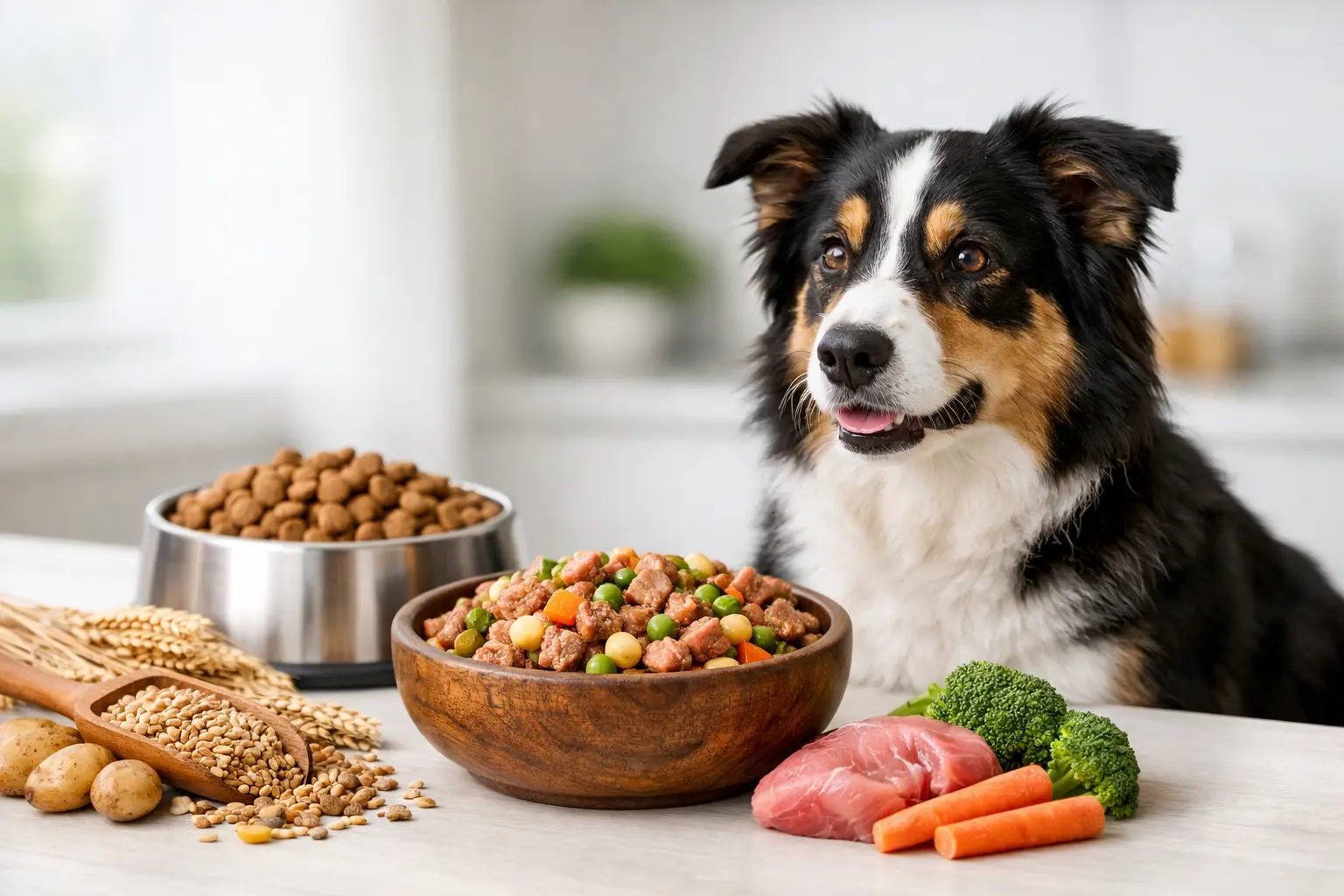
When grains are removed from dog food, manufacturers usually replace them with other carbohydrate or fiber sources such as peas, lentils, chickpeas, potatoes, or sweet potatoes. Those ingredients are not inherently harmful. Many are used safely in pet food.
The concern is about formulation patterns, not one single ingredient acting like a villain. Researchers and veterinarians have questioned whether heavy use of legumes or certain recipe designs may affect nutrient absorption, taurine metabolism, or overall heart health in some dogs. The science is still developing, which is part of why the answer is not perfectly black and white.
What pet owners should take from this is simple: grain-free is not a health halo. A food should not earn your trust just because it excludes grains.
When grain-free food may make sense
There are cases where a grain-free diet can be a practical choice. A small number of dogs have suspected or confirmed sensitivities to specific grains, though true grain allergies are less common than many owners assume. More often, dogs react to proteins like beef, chicken, or dairy rather than corn, wheat, or rice.
Still, if your dog has recurring skin issues, chronic ear infections, vomiting, or diarrhea, your veterinarian may recommend an elimination diet or a limited-ingredient formula. In some of those cases, a grain-free option may be part of the plan. The goal is not to avoid grains because they are trendy. The goal is to remove likely triggers in a controlled, evidence-based way.
For dogs with no diagnosed sensitivity, choosing grain-free just because it sounds cleaner or more premium usually does not offer a clear benefit.
Signs your dog may need a diet review
If your dog is thriving, that matters. A shiny coat, healthy stool, stable energy, and good body condition are all useful clues. But even then, it is worth looking past the front label.
A diet review is a smart move if your dog has digestive problems, itchy skin, unexplained weight changes, low energy, or if you are feeding a boutique brand that heavily emphasizes buzzwords over nutritional credentials. It is also worth checking in with your vet if your dog is on a grain-free diet and belongs to a breed already associated with heart disease, or if your dog has developed coughing, weakness, exercise intolerance, or fainting.
Those symptoms do not automatically point to diet-related heart issues, but they are good reasons not to wait and wonder.
How to judge a dog food beyond the grain-free label
This is where many owners get stuck. The pet food aisle is full of emotional language, but your dog needs sound nutrition, not clever packaging.
Look for a food that is labeled complete and balanced for your dog’s life stage. Check whether the company employs qualified nutrition experts and whether it does feeding trials or has solid quality control standards. A long ingredient list filled with trendy items is not the same thing as a carefully formulated food.
It also helps to ask what replaced the grains. If peas, lentils, chickpeas, and potatoes dominate the ingredient panel, that is worth discussing with your veterinarian, especially if the food comes from a smaller brand with limited research backing.
Foods from companies with strong nutritional oversight may still offer grain-free lines, but the quality of formulation matters far more than the grain-free claim itself.
Common myths about grains in dog food
One myth is that grains are just cheap fillers. In reality, many grains provide digestible carbohydrates, fiber, vitamins, and minerals. Dogs are omnivorous and can digest properly cooked grains quite well.
Another myth is that grain-free means low-carb. It usually does not. Grain-free foods often replace grains with other starch sources, so the carbohydrate level may be similar.
A third myth is that wolves do not eat grains, so dogs should not either. Domestic dogs are not wolves. They have evolved alongside humans and are well adapted to a wider range of foods than that comparison suggests.
So, should you switch if your dog is currently eating grain-free?
If your dog is eating a grain-free diet and doing well, there is no reason to panic. But there is a reason to be thoughtful.
Start by asking why you chose that food in the first place. If it was recommended by your veterinarian for a documented issue, stay with your vet’s guidance. If you picked it because grain-free sounded healthier, it may be worth revisiting that decision.
Talk with your veterinarian about your dog’s age, breed, health history, and current food. In some cases, they may recommend transitioning to a well-balanced diet that includes grains. In others, they may suggest staying put, running tests, or consulting a veterinary nutritionist if your dog has complex needs.
A slow transition over about a week is usually best when changing foods, unless your veterinarian gives a different plan.
The safest approach for most pet owners
For the average healthy dog, the safest approach is not chasing trends. It is choosing a complete and balanced food from a company with solid nutritional standards, then adjusting only when your dog’s health or your veterinarian’s advice gives you a reason.
That may include grains. It may not. The bigger goal is feeding a diet that supports long-term health rather than one that simply sounds good on the bag.
At Barkley and Paws, we see this question come up most often from owners trying hard to do the right thing. That instinct is a good one. The best next step is just a little less marketing, a little more evidence, and a conversation with your vet before making major diet changes.
Is grain free dog food bad if your dog seems fine?
Maybe not, but feeling fine and being on the best diet are not always the same thing. Some nutrition issues take time to show up, and some dogs tolerate a food without truly benefiting from it.
If your dog seems healthy, use that as a starting point, not the whole answer. Review the brand, the formula, your dog’s risk factors, and your reason for feeding it. If the diet holds up under that closer look, great. If not, you have a chance to make a smarter choice before a problem starts.
Your dog does not need a fashionable diet. Your dog needs one that is balanced, appropriate, and chosen with care – and that is almost always a better standard to feed by.