

The information in this article is for educational and informational purposes only. It is not intended as veterinary advice, diagnosis, or treatment for any medical or health issue your pet may have.
Always consult a licensed veterinarian before making any decisions about your pet’s health, diet, medications, supplements, training, or care. Never disregard or delay professional veterinary advice based on content from this website.
BarkleyAndPaws.com and its authors assume no responsibility or liability for any errors, omissions, or outcomes resulting from the use of this information.
Dropping your dog or cat off for surgery creates anxiety for any pet parent. You worry about anesthesia, recovery times, and the procedure itself. However, gaining a better perspective involves understanding the equipment your vet uses. Knowing that your veterinarian relies on high-quality, specialized tools to keep your pet safe can provide significant peace of mind.
The Operating Room Environment
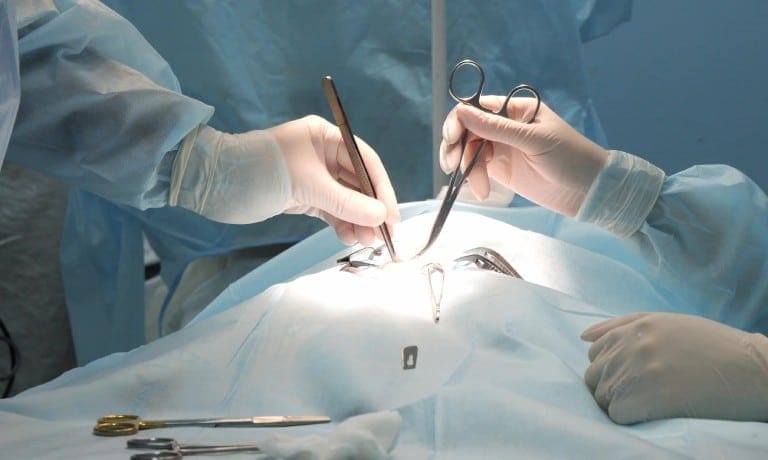
Modern veterinary operating rooms look remarkably similar to human hospitals. Your vet utilizes advanced monitoring systems to track your pet’s heart rate, oxygen levels, and blood pressure throughout the surgery. This technology ensures the team can react instantly to any physiological changes. Alongside these monitors, the surgical table hosts a vast array of stainless steel instruments designed for specific tasks.
The Role of Hemostats
Among the most critical tools in any surgical kit are hemostatic forceps, often called hemostats. These instruments control bleeding by clamping blood vessels. While they resemble scissors, they feature a ratchet locking mechanism that holds the jaws securely closed. This allows the veterinarian to close off a vessel and work within a clear, bloodless field.
Precision and Technique Matter
Veterinarians must exercise extreme precision when handling these tools. A skilled surgeon selects the exact instrument for the job to minimize tissue trauma. For instance, they understand the common hemostat mistakes to prevent complications and ensure a smooth recovery for your pet. Using a hemostat as a retractor or over-clamping delicate tissue can cause unnecessary damage, so proper technique remains paramount.
Different Tools for Different Pets
Just as pets come in all shapes and sizes, so do surgical instruments. Your vet chooses specific tools based on the patient’s size and the type of surgery. For a delicate procedure on a kitten or a small Chihuahua, a vet might use Mosquito forceps, which are small and have fine tips.
Conversely, a surgery involving a Great Dane requires more robust tools. In these cases, a vet might reach for Rochester Carmalt forceps to manage larger blood vessels. This tailored approach ensures that the equipment assists the surgery rather than hindering it.
Trusting the Process
Veterinary medicine combines compassion with advanced medical technology. Your vet undergoes years of training to master these complex instruments. By understanding the equipment your vet uses, you can appreciate the level of care and expertise that goes into every procedure. Next time your furry friend needs medical attention, you can feel confident knowing the right tools are in capable hands.