

The information in this article is for educational and informational purposes only. It is not intended as veterinary advice, diagnosis, or treatment for any medical or health issue your pet may have.
Always consult a licensed veterinarian before making any decisions about your pet’s health, diet, medications, supplements, training, or care. Never disregard or delay professional veterinary advice based on content from this website.
BarkleyAndPaws.com and its authors assume no responsibility or liability for any errors, omissions, or outcomes resulting from the use of this information.
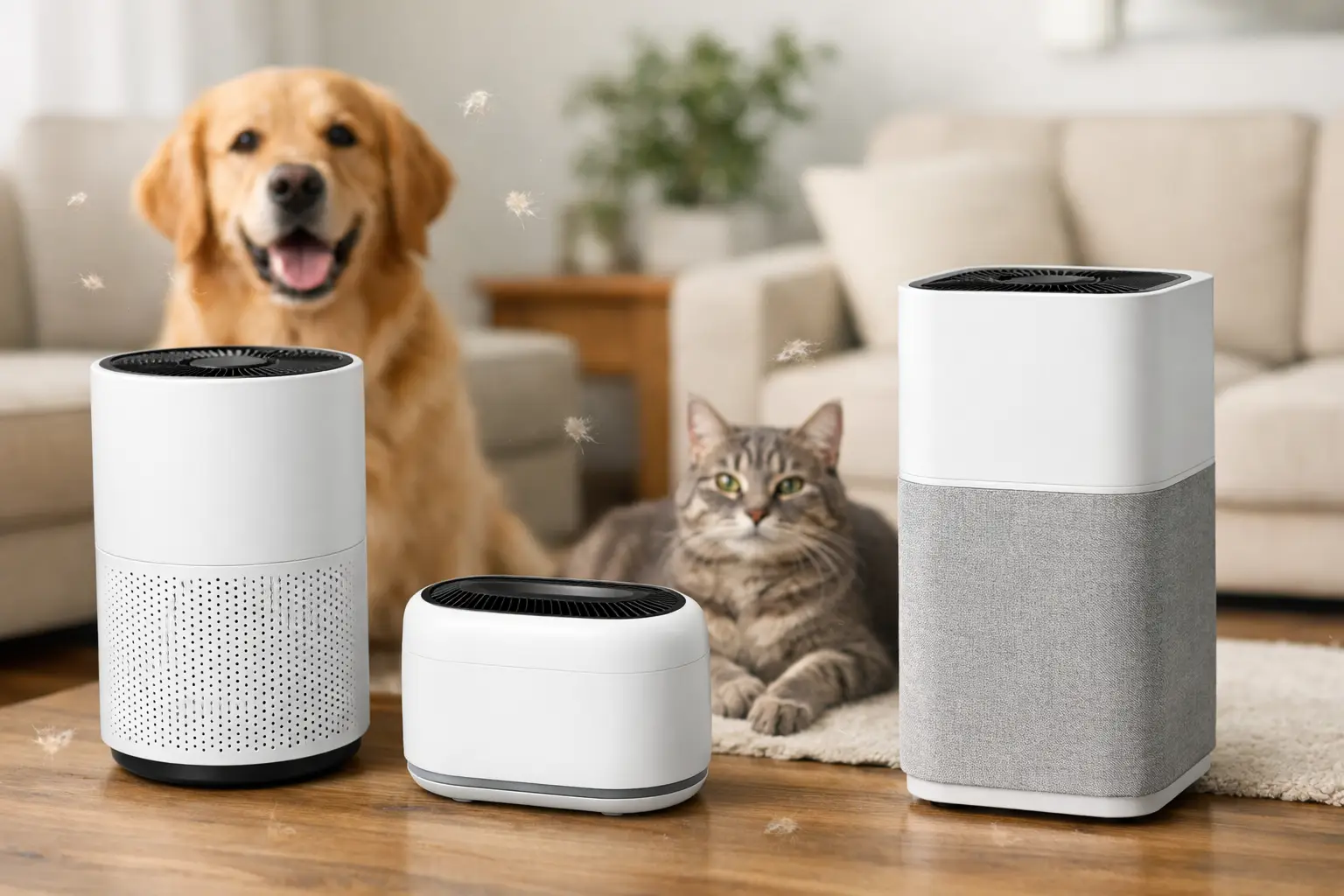
If your living room smells fine to you but guests still catch that unmistakable dog bed or litter box note, your air is probably holding onto more pet debris than you think. The best air purifiers for pets can make a real difference, especially in homes with shedding dogs, indoor cats, multiple animals, or anyone sensitive to dander, dust, and odor.
Pet households create a specific mix of airborne particles. It is not just fur floating around in a sunbeam. Dander, tracked-in dust, dried saliva proteins, litter dust, and everyday household pollutants all add up fast. According to the American Lung Association, a HEPA air purifier can help reduce airborne particles indoors, which matters even more when pets are part of the picture. An air purifier will not replace vacuuming, grooming, or litter box cleaning, but it can absolutely lighten the load.
What makes the best air purifiers for pets different?
A pet-friendly air purifier needs to do three jobs well. First, it should capture very small particles such as dander and dust. Second, it should help with odor, which usually means an activated carbon filter that is substantial enough to matter. Third, it needs enough airflow to clean the room you actually use, not just look good in a corner.
That is where a lot of pet owners get disappointed. A stylish unit with a weak fan may be fine for a small office, but it will struggle in a busy family room where the dog naps, the cat lounges, and the windows stay closed most of winter. The Association of Home Appliance Manufacturers recommends paying attention to CADR, or Clean Air Delivery Rate, because it gives a more useful picture of cleaning performance than marketing language alone.
A true HEPA filter is usually the safest bet if your main goal is trapping pet dander and other fine particles. The Environmental Protection Agency also notes that portable air cleaners can improve indoor air quality when they are properly sized and used consistently. That last part matters. A purifier that only runs for an hour here and there will not do much in a pet home.
9 best air purifiers for pets worth considering
1. Levoit Core 400S
This is a strong pick for many pet owners because it hits a practical sweet spot. It has good coverage for common living spaces, a true HEPA filter, app controls, and auto mode that adjusts when air quality changes. If you have one or two pets and want something easy to live with every day, this is often the model that feels like the least hassle.
Its main limitation is odor control in heavy-duty situations. If you have several cats, a large dog, or a home with persistent litter box smells, you may want something with more carbon.
2. Coway Airmega AP-1512HH Mighty
The Coway Mighty has been a favorite for years for one simple reason – it works well without being oversized or painfully expensive. It is especially good for bedrooms, home offices, and medium-size rooms where pet dander tends to collect.
It is not the quietest machine at the highest setting, and it does not have the most advanced smart features. But if your priority is reliable filtration over gadget appeal, this one still earns its place.
3. Winix 5500-2
Pet owners often like this model because it offers a washable pre-filter, which helps catch hair before it reaches the main filter. That can be especially useful if you live with a heavy shedder. It also includes activated carbon and a true HEPA filter, making it a solid all-around choice for mixed concerns.
Its design is less polished than some newer competitors, but functionally it still does the job well.
4. Blueair Blue Pure 311i Max
If you want strong airflow and a more modern look, Blueair is worth a look. This model is a good fit for larger rooms and open layouts where weaker units can feel underpowered. It is also relatively easy to maintain, which matters when pet care already comes with enough chores.
The trade-off is that replacement filters can add up over time. For some households, the higher ongoing cost is worth it for the performance.
5. Rabbit Air MinusA2
This is one of the more premium options in the category, and it appeals to pet owners who want quieter operation and more customization. It can work well in bedrooms or shared spaces where noise is a deal breaker. It also looks more like decor than an appliance, which some people genuinely appreciate.
The downside is price. It is a bigger upfront investment, so it makes the most sense if aesthetics, low noise, and long-term use are all high priorities.
6. GermGuardian AC4825E
For smaller apartments, studio spaces, or tighter budgets, this model remains popular. It is compact, simple, and widely available. If you need a purifier for a small bedroom where a cat sleeps or a quiet corner near the litter box, it can be a reasonable entry-level option.
Just keep expectations realistic. This is not the machine for a large open-concept home with multiple pets.
7. Alen BreatheSmart 45i
This purifier is a strong fit for larger rooms and homes where allergies are a major concern. It offers powerful filtration and a more refined user experience than many mid-range units. For pet parents who want one main purifier doing serious work in a family room, it is a compelling option.
Again, cost is the sticking point. It is better for buyers who want to invest once rather than hunt for the cheapest model.
8. Honeywell HPA300
This one is built for coverage and cleaning power. It is not trying to be trendy, but it performs well in larger spaces and is especially useful during peak shedding season when your vacuum seems to lose the battle by noon.
The catch is noise and size. It is effective, but not subtle.
9. Austin Air HealthMate
If odor control and heavy-duty filtration are your biggest issues, Austin Air stands out. It is often discussed in homes dealing with stronger smells, multiple pets, or more serious air quality concerns. The carbon component is more substantial than what you get in many mainstream consumer units.
It is bulky and expensive, so it is not the right match for every home. But for some pet households, especially those managing both dander and odor, that extra filtration is exactly the point.
How to choose the best air purifier for pets in your home
Start with the room where your pet spends the most time. That is usually the space where the purifier will make the biggest difference. A small unit in the right room beats a fancy underpowered unit trying to cover your whole first floor.
Next, pay close attention to filter type. A pre-filter helps catch fur and larger debris, which protects the main filter and can extend its life. True HEPA is the standard most pet owners should look for if dander and fine particles are the problem. For odor, carbon matters, but not all carbon filters are equally useful. Thin carbon sheets may help a little, while heavier carbon filtration tends to do more.
Room size is another place where buyers get tripped up. Manufacturers may list ideal coverage based on one air change per hour, but pet homes often benefit from more frequent cleaning. If your room sits at the upper end of a purifier’s range, sizing up is usually the smarter move.
Noise also matters more than people expect. If the purifier is too loud on an effective setting, you may turn it down and lose the benefit. That is especially relevant in bedrooms, for nervous pets, or if you work from home.
What an air purifier can and cannot do for pet odors
This is where honest expectations help. Air purifiers can reduce airborne odor particles, but they cannot erase the source. If a litter box needs scooping, a dog bed needs washing, or a carpet has absorbed accidents, no purifier will fully fix that on its own.
What it can do is keep the general air fresher between cleanings and reduce the way odors linger. In homes with pets, that steady background improvement is often what people notice most after a few days of use.
The American Veterinary Medical Association consistently emphasizes preventative home care and healthy living environments for pets. Cleaner indoor air fits into that broader picture, especially if you have pets with respiratory sensitivities or family members with allergies.
Smart buying tips before you commit
Check the replacement filter cost before you buy. A purifier that seems affordable upfront can become frustrating if filter changes are expensive or hard to find. It also helps to look at whether the pre-filter is washable, since pet hair builds up fast.
Avoid ionizers if you do not want extra complexity or potential concerns about ozone. Many pet owners simply want straightforward mechanical filtration, and that is usually enough.
Finally, think about your actual routine. The best machine is the one you will leave on, maintain properly, and place where it can work. For most pet homes, that means a true HEPA purifier with meaningful carbon, sized slightly above the room’s needs, running daily instead of occasionally.
A fresher home does not have to mean pretending your pets do not live there. It usually comes down to choosing a purifier that matches your space, your shedding level, and the kind of mess your animals actually make.