

The information in this article is for educational and informational purposes only. It is not intended as veterinary advice, diagnosis, or treatment for any medical or health issue your pet may have.
Always consult a licensed veterinarian before making any decisions about your pet’s health, diet, medications, supplements, training, or care. Never disregard or delay professional veterinary advice based on content from this website.
BarkleyAndPaws.com and its authors assume no responsibility or liability for any errors, omissions, or outcomes resulting from the use of this information.
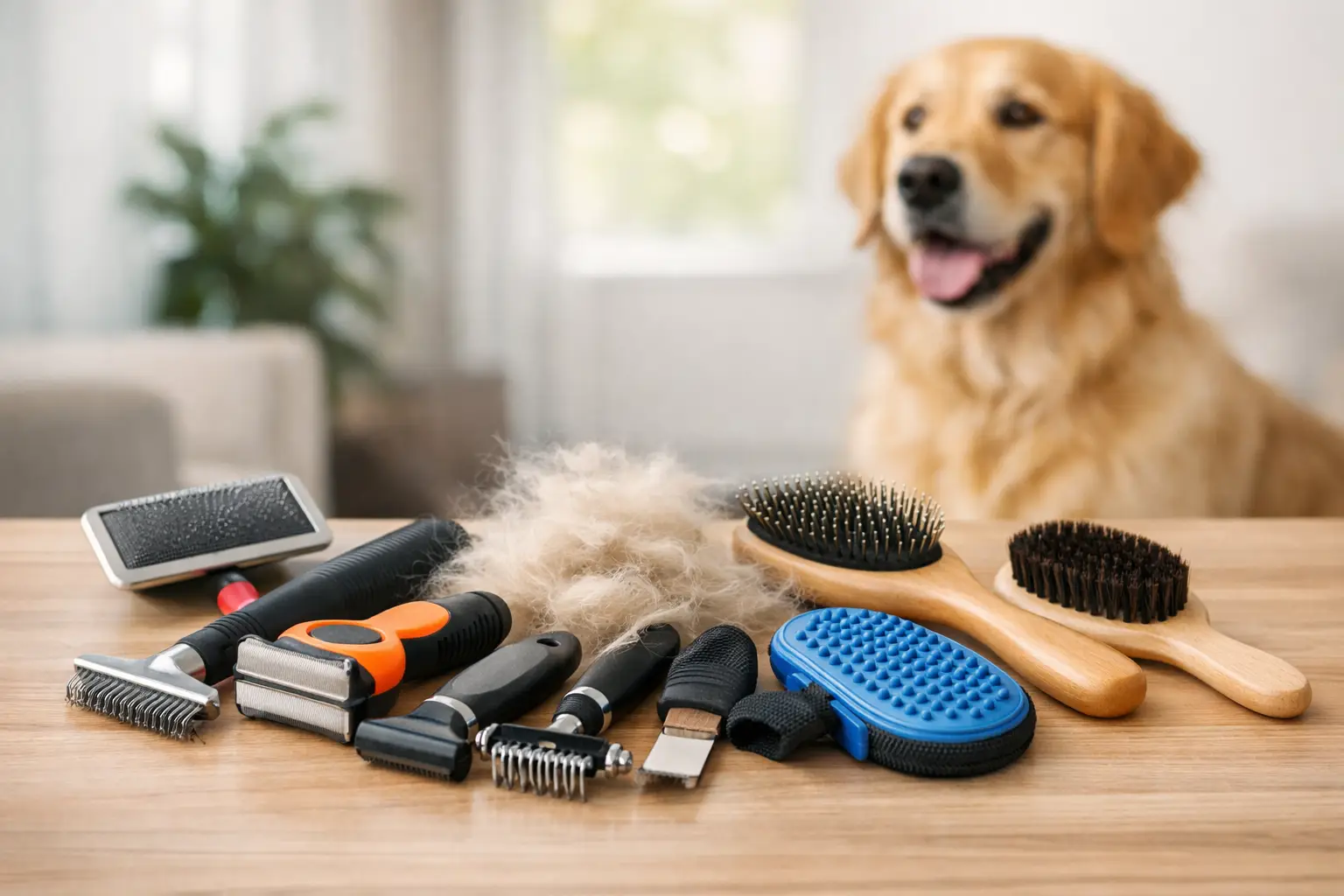
If your vacuum is working harder than your dog, it may be time to rethink your grooming tools. The best brushes for shedding dogs are not always the fanciest or the most expensive – they are the ones that match your dog’s coat, skin sensitivity, and shedding pattern.
That distinction matters more than many owners expect. A brush that works beautifully on a Labrador can irritate a Husky, and the tool that keeps a Golden Retriever’s coat manageable may do very little for a short-haired Beagle. Regular brushing can help remove loose fur before it ends up on your sofa, but it also supports skin health by spreading natural oils through the coat. The American Kennel Club notes that brushing is a key part of coat care and can help you spot skin problems early.
How to choose the best brushes for shedding dogs
The first thing to look at is coat type. Dogs with short, dense coats usually do best with grooming gloves, rubber curry brushes, or short-bristle deshedding tools that lift loose hair without scraping the skin. Double-coated breeds often need an undercoat rake or a well-designed deshedding brush to reach the soft fur trapped beneath the topcoat. Dogs with long coats may need a slicker brush for daily maintenance and a comb to check for tangles near the skin.
Skin condition matters too. If your dog has allergies, redness, or a history of irritation, aggressive metal tools can do more harm than good when used too often. The ASPCA advises owners to monitor skin and coat changes closely, since dryness, flaking, or thinning hair can point to bigger health issues. In those cases, a gentler brush and shorter sessions are usually the smarter choice.
Then there is your dog’s tolerance level. Some dogs enjoy a full grooming session. Others act like the brush is a personal insult. A comfortable handle, flexible pins, and shorter sessions can make a real difference, especially if you are brushing a nervous puppy or an older dog with joint stiffness.
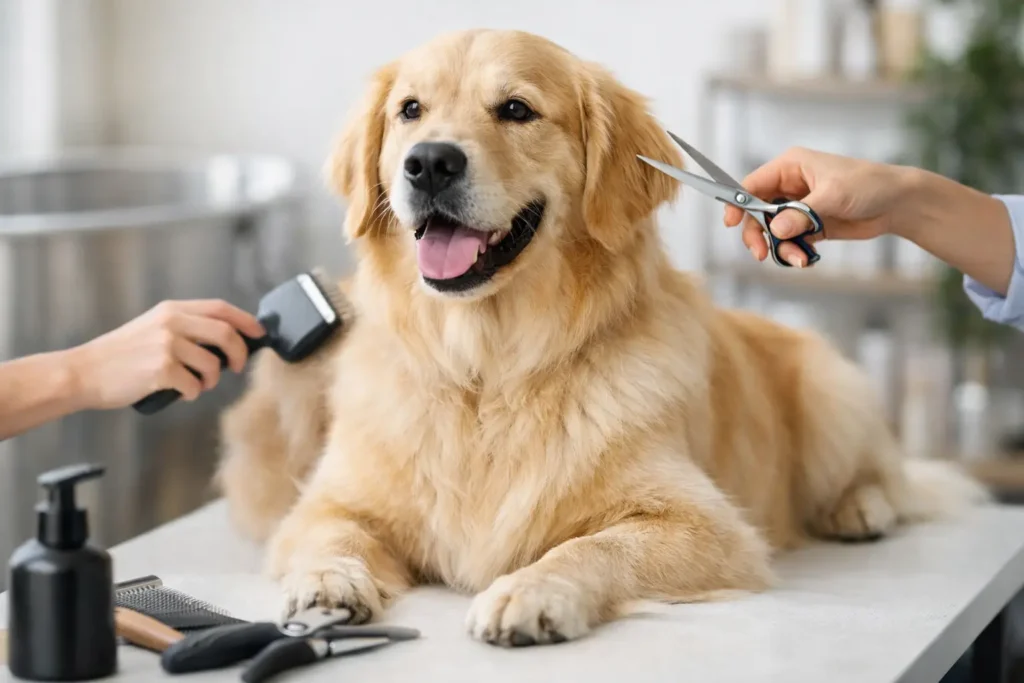
Best brush types for shedding dogs by coat
Slicker brushes
Slicker brushes have fine wire pins and are especially useful for medium to long coats. They remove loose fur from the surface, help separate minor tangles, and leave the coat looking neater. For breeds like Goldendoodles, Australian Shepherds, and Border Collies, a slicker can be a dependable everyday tool.
The trade-off is that slickers vary a lot in firmness. A very stiff slicker may work well on thick coats but feel harsh on sensitive skin. If your dog flinches or tries to avoid brushing, the brush may be too rough or you may be using too much pressure.
Undercoat rakes
For heavy shedders with a true double coat, undercoat rakes are often the most effective option. These tools are built to reach past the outer coat and pull out loose undercoat before it mats or drops all over your floors. They tend to work well on Huskies, German Shepherds, Malamutes, and similar breeds.
This is where technique matters. You are not trying to drag the tool through the coat like a garden rake. Slow, light passes are safer and more effective. Used too aggressively, an undercoat rake can irritate the skin or break healthy coat.
Deshedding tools
A dedicated deshedding tool can be excellent during peak shedding season. These tools are designed to grab loose undercoat efficiently, and many owners see a dramatic amount of hair come out in one session. For Labs, Pugs, Corgis, and other frequent shedders, this can be the tool that makes grooming feel worthwhile fast.
But more is not always better. Overusing a deshedding tool can thin the coat or create irritation, especially on dogs with finer hair or sensitive skin. According to veterinary guidance from PetMD, excessive shedding can sometimes reflect stress, parasites, poor nutrition, or medical issues rather than a grooming problem alone. If your dog’s shedding suddenly changes, the brush may not be the real fix.
Rubber curry brushes and grooming gloves
For short-haired dogs, simple tools often work best. Rubber curry brushes and grooming gloves are great for lifting loose fur, stimulating the skin, and making brushing feel more like petting. Many dogs that dislike traditional brushes tolerate these much better.
These are a smart pick for Boxers, Beagles, Pit Bulls, and other short-coated breeds. They are less useful for thick undercoats, though, so they are not the best choice if your dog blows coat every spring and fall.
Metal combs
A comb is not usually the main shedding tool, but it is one of the best finishing tools you can own. After brushing, a metal comb helps you check whether loose hair or small tangles are still hiding near the skin. It is especially useful around the ears, chest, tail, and feathering.
For long-haired or curly-coated dogs, a comb can help you avoid the common mistake of brushing only the top layer while mats quietly form underneath.
9 top picks for different shedding needs
If you are trying to narrow it down, these categories are the ones most owners end up choosing from.
A self-cleaning slicker brush is a practical all-around option for medium and long coats because cleanup is quick and the fine pins remove surface shedding well. A soft-pin slicker works better for dogs with sensitive skin or thinner coats. A dual-length undercoat rake is often the best match for dense double coats because it can loosen packed undercoat without relying on sharp scraping edges.
A curved deshedding tool can be a strong choice for seasonal shedders, especially if your dog has a thick underlayer and tolerates brushing well. A rubber curry brush is ideal for short-haired breeds that shed constantly but do not need deep coat penetration. Grooming gloves are helpful for dogs that are brush-shy, seniors who need a gentler touch, or owners who want an easy daily option.
A stainless steel greyhound-style comb is excellent for checking your work after brushing and finding hidden snags. A pin brush can be useful for dogs with silky coats where you want light detangling without too much pull. And for homes with more than one dog, a brush set with a slicker, rake, and comb can be more economical than buying tools one at a time.
What makes a brush actually worth buying
A good brush should feel secure in your hand, move through the coat without snagging healthy hair, and be easy to clean. If fur gets trapped so badly that you avoid using the tool, it will not help much no matter how well it is reviewed.
Look closely at pin spacing and flexibility. Widely spaced pins tend to work better on thick coats, while closer pins can be better for finer fur. Flexible pins are usually gentler. Stiff pins may remove more hair quickly, but they require a careful hand.
Handle design is easy to overlook until you are ten minutes into brushing a 70-pound dog. Non-slip grips and ergonomic shapes are not luxury features if you groom often. They help you use less pressure and keep sessions calmer.
Brushing tips that cut down on shedding
The brush is only part of the equation. Brushing a dry, dirty, tangled coat is harder on both you and your dog. For many breeds, a bath followed by a thorough brush-out removes far more loose coat than brushing alone.
Frequency depends on the dog. Heavy shedders may need brushing several times a week, while short-haired breeds might do well with a quick glove session every few days. During seasonal coat blows, daily sessions can help keep the loose fur manageable.
Pay attention to body language. If your dog turns away, licks their lips, or seems sore when touched in certain spots, slow down. Grooming should not feel like a wrestling match. Short, positive sessions with treats often work better than trying to finish everything at once.
And avoid shaving double-coated breeds just to reduce shedding. That can interfere with how the coat regulates temperature and may not solve the problem you are trying to fix. Coat care is about removing dead hair, not stripping away natural protection.
When shedding may be more than normal
All dogs shed to some degree, but sudden heavy shedding, bald patches, odor, itching, or inflamed skin deserve a closer look. Parasites, allergies, hormonal conditions, and diet issues can all show up in the coat. The AVMA recommends routine veterinary care as part of catching early health concerns, and coat changes are one of those clues owners often notice first.
If your brush is pulling out far more hair than usual or your dog seems uncomfortable during grooming, it is worth asking your veterinarian whether something else is going on.
The right brush will not stop shedding completely – no tool can do that. What it can do is make the hair easier to manage, keep the coat healthier, and turn grooming into a routine your dog does not dread. For most owners, that is the real win: less fur on the furniture and a dog who walks away from brushing feeling comfortable, not annoyed.