

The information in this article is for educational and informational purposes only. It is not intended as veterinary advice, diagnosis, or treatment for any medical or health issue your pet may have.
Always consult a licensed veterinarian before making any decisions about your pet’s health, diet, medications, supplements, training, or care. Never disregard or delay professional veterinary advice based on content from this website.
BarkleyAndPaws.com and its authors assume no responsibility or liability for any errors, omissions, or outcomes resulting from the use of this information.
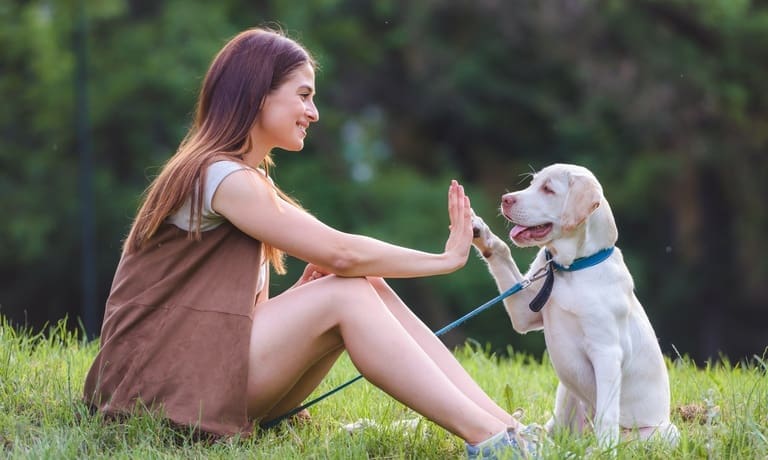
Summer temperatures can make outdoor sessions challenging. Dog owners often worry about safety, energy levels, and overheating. A few smart adjustments can help you maintain your dog’s training routine in the heat while keeping your dog comfortable and engaged.
Choose Cooler Training Times
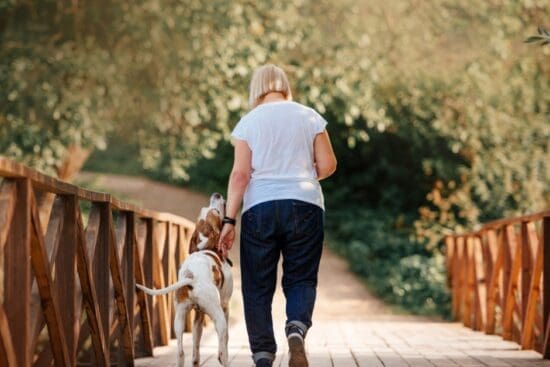
Early mornings and late evenings are often the safest periods for outdoor activity. Pavement, artificial turf, and other surfaces retain heat throughout the day. A quick touch test with your hand can help you determine whether the ground is too hot for paws.
Keep Sessions Short and Focused
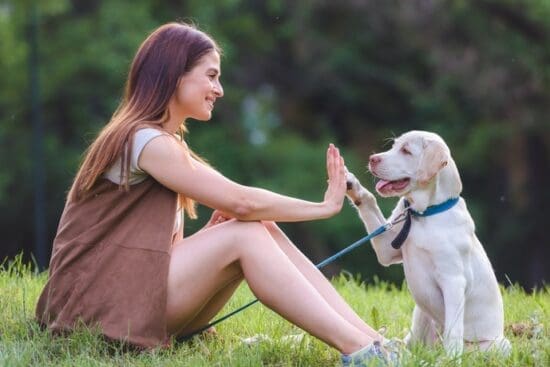
Long training sessions are not always necessary. Brief, rewarding lessons can be highly effective during hot weather. Focus on one or two skills per session and end before your dog becomes tired or distracted.
During hot weather, make consistency the priority—duration can wait until cooler temps roll around.
Bring Plenty of Water
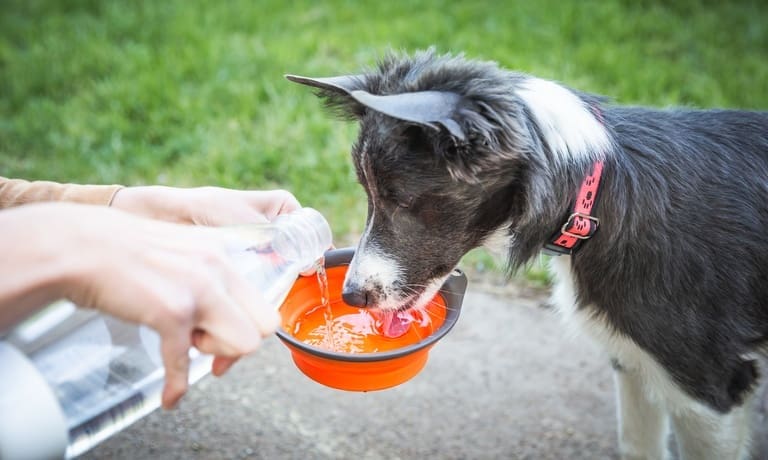
Frequent water breaks help dogs regulate body temperature. Carry a portable bowl and offer water regularly, even if your dog does not immediately seem thirsty. Shade breaks can also help prevent overheating during longer outings.
Watch for Signs of Heat Stress
Excessive panting, slowed movement, drooling, or a lack of interest in training may indicate that your dog needs a break. Immediate cooling and rest are important if these signs appear. Training goals can always wait until conditions improve.
Adjust Equipment When Needed
Active working dogs face their own unique heat considerations, due in part to the gear they wear. Pets can face the same risks if they wear any kind of training gear, as the fabric can trap heat and reduce airflow. If your dog wears any kind of harness or vest as part of their training routine, remember to check for trapped heat, check for any redness beneath their fur, and allow extra cooling breaks.
Make Indoor Training Part of the Plan
Indoor spaces provide excellent opportunities to reinforce obedience skills, impulse control, and scent games. Hallways, garages, and living rooms can become productive training environments when outdoor temperatures climb.
Hot weather dog training does not have to stop when conditions become less comfortable.
Keep Progress Going Safely
Consistency matters, but safety comes first. Small schedule changes, shorter sessions, and careful observation can help dogs continue learning throughout the summer. With a flexible approach, you can maintain your dog’s training routine in the heat without placing unnecessary stress on your dog.