

The information in this article is for educational and informational purposes only. It is not intended as veterinary advice, diagnosis, or treatment for any medical or health issue your pet may have.
Always consult a licensed veterinarian before making any decisions about your pet’s health, diet, medications, supplements, training, or care. Never disregard or delay professional veterinary advice based on content from this website.
BarkleyAndPaws.com and its authors assume no responsibility or liability for any errors, omissions, or outcomes resulting from the use of this information.
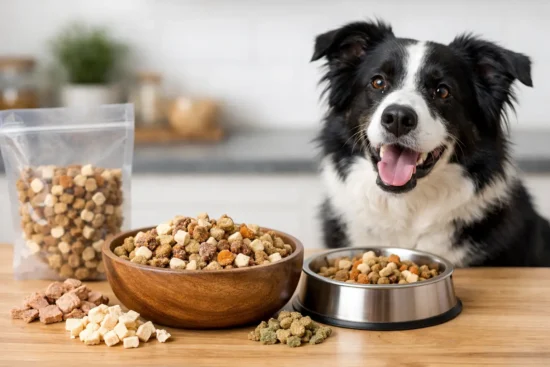
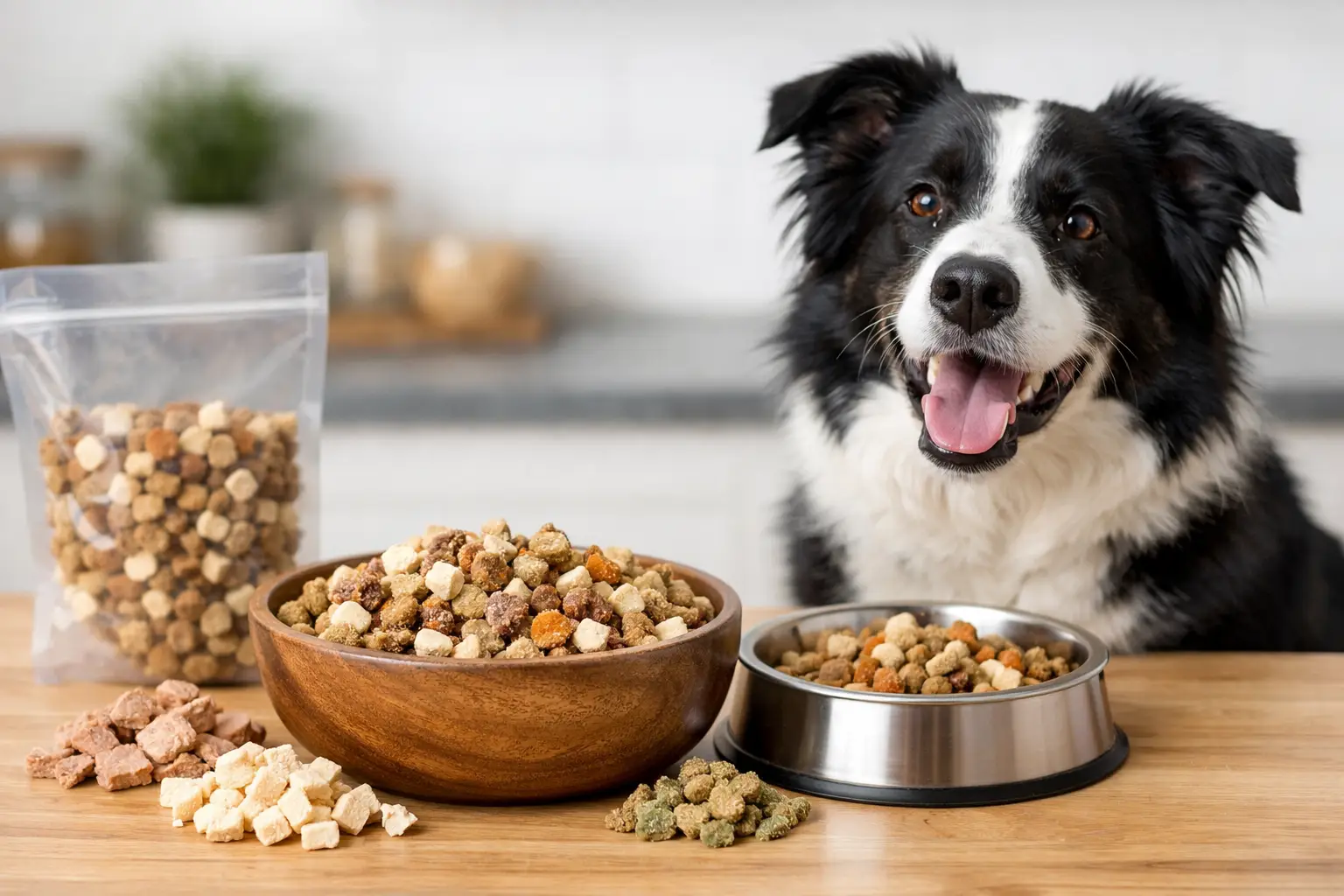
A bag of freeze dried dog food can look remarkably simple: small, lightweight pieces of meat, organs, or complete meals that promise real-food nutrition without the mess of raw feeding. For busy dog parents, that appeal is easy to understand. The question is whether it is a smart everyday choice for your particular dog – and whether the food in the bag delivers what the front label suggests.
Freeze-dried diets can be excellent options for some dogs, especially picky eaters and households that want a shelf-stable alternative to refrigerated raw food. But they are not automatically better than quality kibble, canned food, or a carefully formulated fresh diet. The right choice comes down to nutritional completeness, food safety, your dog’s health needs, and your budget.
What Is Freeze Dried Dog Food?
Freeze drying removes moisture from food at very low temperatures. The process preserves much of the ingredient’s structure and flavor while making it shelf-stable. In dog food, that often means raw meat, organs, bone, vegetables, or supplements are frozen and then dried under vacuum conditions.
The result is food that is much lighter than fresh or frozen raw meals. It usually does not need refrigeration until it has been rehydrated, although each manufacturer’s storage instructions still matter. Many dogs find the concentrated meaty aroma especially appealing, which is why freeze-dried foods are commonly used as toppers and training treats as well as full meals.
It is helpful to separate three product types that are often grouped together. A complete-and-balanced freeze-dried diet is designed to serve as your dog’s main food. A freeze-dried topper is meant to add flavor or variety to another complete diet. Freeze-dried treats are rewards, not meals. Treats and toppers can be nutritious, but they may not contain the full range of vitamins and minerals a dog needs every day.

The Biggest Benefit: Convenience Without Much Processing
For owners drawn to raw-style feeding, freeze dried dog food offers an easier routine than handling frozen patties or thawing raw meat. It travels well, stores neatly in the pantry, and can be portioned with less cleanup. That makes it particularly useful for camping, boarding, road trips, or dogs who need a tempting meal during a stressful transition.
The ingredient lists may also be refreshingly straightforward. Many formulas feature named animal proteins and organs near the top of the label, rather than vague terms such as “meat by-products.” That said, a short ingredient list is not proof that a food is nutritionally complete or appropriate for every dog. Dogs need a reliable balance of protein, fat, essential fatty acids, vitamins, and minerals, not just a bowl full of appealing ingredients.
Palatability is another genuine advantage. If your dog is healthy but suddenly uninterested in a familiar food, a small amount of freeze-dried topper can encourage eating without completely changing the diet. For a finicky dog, try rehydrating a few pieces with warm water and mixing them into the current food first. The aroma often makes a bigger difference than the amount.
The Trade-Offs Dog Owners Should Know
The most obvious drawback is cost. Freeze-dried foods are often considerably more expensive per meal than kibble and may cost more than canned food, too. Large dogs can go through a bag quickly, so calculate the daily feeding cost before making a full switch. A food that works beautifully for a week but strains the household budget may not be the most sustainable plan.
Calorie density is another common surprise. Because the moisture has been removed, a small scoop can contain a lot of calories. Feeding by cup alone can lead to accidental overfeeding, particularly when freeze-dried pieces are used as treats throughout the day. Check the calories per piece or per ounce, use a kitchen scale when practical, and include training treats in your dog’s daily calorie total.
Food safety deserves careful attention, especially with raw freeze-dried formulas. Freeze drying does not necessarily eliminate harmful bacteria. Dogs can sometimes carry pathogens without showing obvious illness, while people in the household may be more vulnerable. Wash hands after handling the food, clean bowls and preparation surfaces, and do not allow your dog to lick faces immediately after eating. Extra caution is wise in homes with young children, older adults, pregnant people, or anyone with a weakened immune system.
Some dogs also do better with added moisture. Dry freeze-dried pieces can be convenient, but rehydrating them may support hydration, slow down fast eaters, and create a softer texture for senior dogs or dogs with dental discomfort. Follow the brand’s mixing directions and discard leftovers rather than leaving rehydrated food out for hours.
How to Choose a Complete Freeze-Dried Diet
Start with the nutritional adequacy statement on the package. Look for language indicating the food is complete and balanced for your dog’s life stage, such as adult maintenance or growth. Puppies, especially large-breed puppies, have specific nutrient needs. A food that is fine as an adult dog topper may not be suitable as a puppy’s primary diet.
Next, look beyond the marketing language. Terms like “human-grade,” “ancestral,” and “raw-inspired” can sound reassuring, but they do not replace a complete nutritional formulation. A company should be able to clearly state whether its diet meets established nutritional standards and whether it is intended for supplemental or full-time feeding.
Consider your dog’s individual medical picture, too. Dogs with pancreatitis, chronic digestive trouble, kidney disease, food allergies, or a history of urinary stones may need more tailored nutrition than a standard freeze-dried recipe can provide. High-fat formulas can be difficult for some sensitive dogs, even when the ingredients are high quality. Your veterinarian can help you evaluate whether a particular food fits your dog’s needs.
When comparing formulas, pay attention to protein source, fat percentage, calorie content, and whether the recipe includes ingredients your dog has previously tolerated. If a dog has suspected food allergies, changing several ingredients at once can make it harder to identify the trigger. In that situation, a veterinarian-guided elimination diet is more useful than rotating through trendy proteins.
How to Switch Foods Without Upsetting Your Dog’s Stomach
A sudden switch to a rich, protein-heavy food can lead to loose stool, gas, or vomiting. Even dogs with sturdy stomachs benefit from a gradual transition. Begin by replacing roughly one-quarter of the current food with the new diet for several days. If stools remain normal, move to a half-and-half mix, then three-quarters new food, before feeding the new diet entirely.
Some dogs need a slower transition of 10 to 14 days, particularly seniors and dogs with sensitive digestion. Rehydrating the freeze-dried portion during the transition can make the change gentler and helps ensure your dog is accepting the new texture.
Monitor more than enthusiasm at the bowl. Healthy signs include normal stool, stable energy, a comfortable belly, and a maintained body condition. If your dog develops persistent diarrhea, repeated vomiting, itching, ear irritation, or a noticeable change in thirst, stop assuming it is simply an adjustment period. Contact your veterinarian for guidance.
Can You Use Freeze-Dried Food as a Topper?
Absolutely – and for many households, this is the most practical use. A small amount of freeze-dried food can add variety to a nutritionally complete kibble or canned diet without dramatically increasing costs. Crumble a few pieces over the meal, or rehydrate them into a gravy-like topping.
Keep portions modest. Extras, including toppers and treats, generally should not make up more than about 10 percent of your dog’s daily calories unless the food is specifically formulated and measured as part of a balanced meal plan. This helps prevent nutritional imbalances and keeps a little topper from becoming an accidental second dinner.
Freeze-dried treats can also be valuable for training because they are easy to carry and often highly motivating. Break larger pieces into pea-sized rewards, especially for small dogs or repetitive training sessions. Your dog will care far more about the opportunity to earn a treat than the size of each bite.
When Freeze-Dried Food May Be a Great Fit
Freeze-dried diets can make sense for a healthy adult dog who enjoys the food, maintains an ideal body condition, and has no condition requiring a therapeutic diet. They can also be a helpful option for owners who want convenient travel meals, a high-value training reward, or a way to make a balanced base diet more appealing.
They may be less suitable when the price makes consistent feeding difficult, when household food-safety risks are a concern, or when a dog needs a prescription diet. A quality food is only truly a good choice if you can feed it safely, consistently, and in the right amount.
Your dog does not need the trendiest bowl on the block to thrive. Whether freeze dried dog food becomes a daily meal or an occasional topper, choose a complete product when it is doing meal-duty, transition slowly, and let your dog’s health and comfort guide the final decision.