

The information in this article is for educational and informational purposes only. It is not intended as veterinary advice, diagnosis, or treatment for any medical or health issue your pet may have.
Always consult a licensed veterinarian before making any decisions about your pet’s health, diet, medications, supplements, training, or care. Never disregard or delay professional veterinary advice based on content from this website.
BarkleyAndPaws.com and its authors assume no responsibility or liability for any errors, omissions, or outcomes resulting from the use of this information.
As dogs enter their senior years, their daily routines tend to change, although staying active remains an important part of maintaining wellness. Older dogs may move more slowly than they once did, yet regular activity supports mobility, mental engagement, and a healthy weight. The key is finding a balance between exercise and comfort, so that walks and playtime remain enjoyable.
When owners understand how aging affects their dogs, they can make thoughtful adjustments that allow their companions to remain active while accommodating changing physical needs. Keeping senior dogs active and comfortable starts with recognizing those changes and adapting routines accordingly.
Adjusting Exercise for Aging Dogs
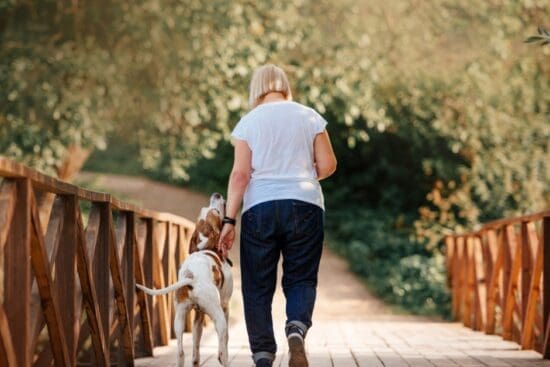
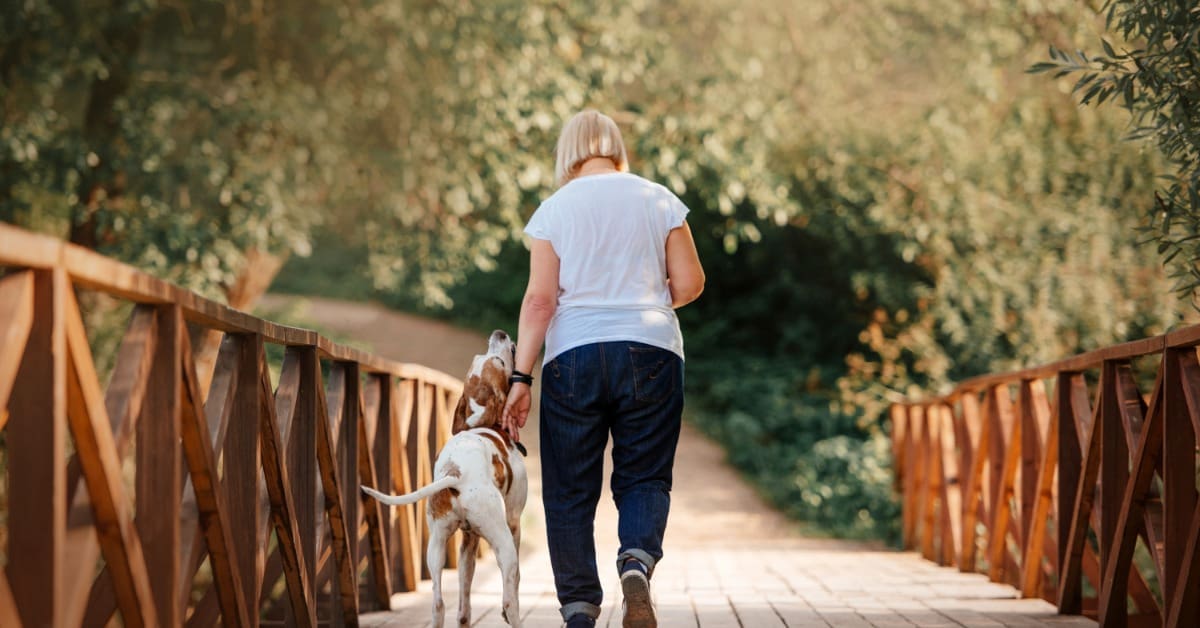
A senior dog may not have the stamina for long hikes or extended games of fetch, but that does not mean activity should stop altogether. Shorter walks spread throughout the day can provide movement without placing excessive strain on aging joints and muscles.
Paying attention to pace is just as important as distance. Some dogs benefit from slower walks that allow them to explore their surroundings, while others may prefer brief bursts of activity followed by periods of rest. By observing a dog’s response after exercise, owners can identify whether they need to adjust.
Supporting Comfort During Walks
Walking equipment can influence how comfortable a dog feels during daily outings. While collars may be suitable for some situations, many owners look for gear that distributes pressure more evenly across the body, particularly when a dog experiences stiffness or reduced mobility.
When evaluating walking equipment, some pet owners consider a dog harness’s load distribution because it can affect how pressure is spread during movement. Choosing properly fitted gear and checking it regularly for signs of wear can contribute to a more comfortable walking experience for older dogs.
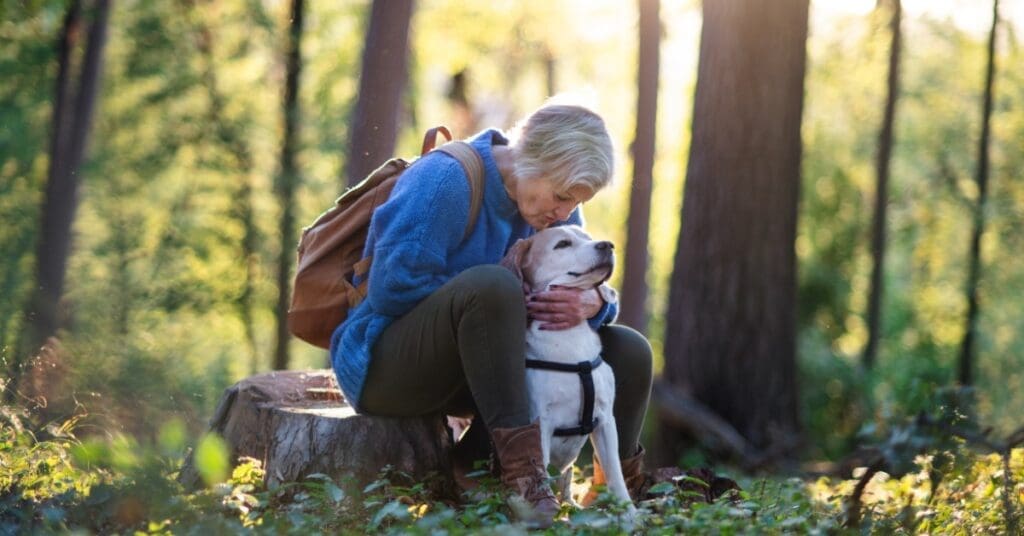
Creating a Senior-Friendly Environment
Indoor games, gentle training sessions, and food puzzles can provide valuable mental stimulation while limiting physical strain. These activities encourage engagement and give older dogs opportunities to stay active on days when weather or mobility concerns make long walks less appealing.
Simple changes, such as placing rugs on slippery floors, making sure resting areas are accessible, and elevating food bowls may reduce unnecessary discomfort. Then this allows senior dogs to navigate their environment with greater confidence.
Making Every Day More Enjoyable
Aging brings changes, but it does not have to diminish a dog’s quality of life. Consistent activity, thoughtful adjustments to daily routines, and attention to comfort can allow senior dogs to continue enjoying many of their favorite activities. By focusing on individual needs, owners can create routines that support both physical wellness and everyday happiness.
With a balanced approach, keeping senior dogs active and comfortable becomes less about slowing down and more about finding new ways for older dogs to remain engaged, mobile, and content throughout their later years.