



The information in this article is for educational and informational purposes only. It is not intended as veterinary advice, diagnosis, or treatment for any medical or health issue your pet may have.
Always consult a licensed veterinarian before making any decisions about your pet’s health, diet, medications, supplements, training, or care. Never disregard or delay professional veterinary advice based on content from this website.
BarkleyAndPaws.com and its authors assume no responsibility or liability for any errors, omissions, or outcomes resulting from the use of this information.
Most pet owners expect some level of shedding from their cats and dogs. Loose fur often becomes part of daily life, especially during seasonal coat changes. While grooming can manage the issue, shedding affects much more than a pet’s appearance. It can influence home maintenance, indoor air quality, cleaning routines, and even household expenses. Learn how shedding impacts life beyond grooming and what you should look out for.
How Shedding Changes Daily Cleaning Habits
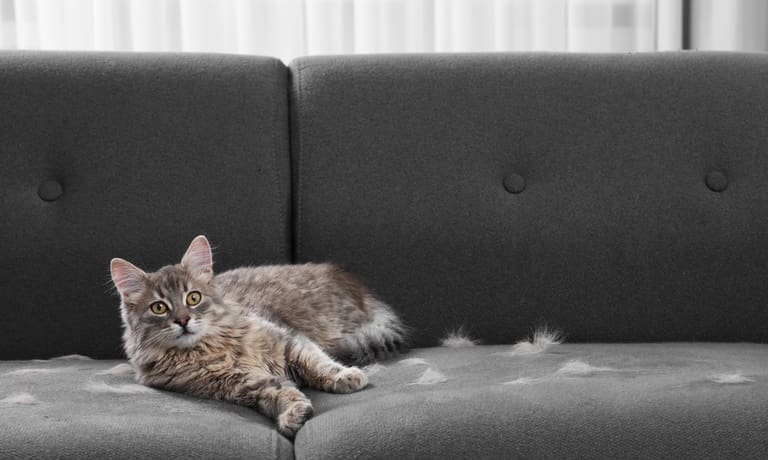
Pet hair has a way of appearing everywhere. It collects on furniture, clothing, rugs, and floors regardless of how often owners clean. Many people find themselves vacuuming more frequently to keep fur under control. This extra maintenance can add time and effort to everyday household chores.
Hair also drifts into corners and under furniture where it accumulates over time. Pet owners often need specialized tools to remove fur from fabrics and upholstery. Regular cleaning prevents buildup and keeps living spaces more comfortable. A consistent routine can make a noticeable difference throughout the home.
What Shedding Means for Indoor Air Quality
Shedding affects more than visible surfaces. Pet hair often carries dander, which can circulate through indoor spaces and settle on household items. Individuals with allergies may notice increased symptoms when shedding levels rise. Even people without allergies may appreciate a cleaner environment with less airborne debris.
Air filters can reduce the amount of fur and dander moving through a home. Frequent dusting also supports better indoor conditions. Pet owners who stay proactive often notice fewer issues throughout the year. Small efforts can lead to a more comfortable living space for everyone.
How Fur Affects Household Systems
Many pet owners focus on floors and furniture when they think about shedding. However, loose hair can enter places that often go unnoticed. Fur can collect around appliance vents, heating systems, and plumbing fixtures. Over time, these accumulations may create maintenance challenges.
Some homeowners discover that hair contributes to slow-moving drains, especially in homes where pets receive regular baths. This issue becomes even more noticeable when pet hair combines with soap residue. Discussions about home maintenance often include topics like drain cleaning for pet owners because fur can create stubborn clogs. Addressing these concerns early prevents larger problems later.
Which Areas Require The Most Attention
Certain areas of the home attract pet hair more than others. Focusing on these locations can improve cleaning efficiency and reduce frustration. A targeted approach often works better than trying to tackle every room equally.
Pay close attention to:
- Pet bedding
- Upholstered furniture
- Area rugs
- Air vents
- Vehicle interiors
- Laundry rooms
These areas tend to collect significant amounts of fur throughout the year. Regular maintenance keeps buildup manageable. Small cleaning sessions often prevent larger cleaning projects later.
How Owners Can Manage Shedding More Effectively
No pet owner can eliminate shedding completely. However, several strategies can reduce its impact on daily life. Regular brushing removes loose fur before it spreads throughout the home. Consistent grooming also supports healthy skin and coat conditions.
Nutrition plays an important role as well. A balanced diet helps many pets maintain healthier coats and may reduce excessive shedding. Pet owners who combine proper grooming, cleaning, and nutrition often achieve the best results. These habits create benefits that extend far beyond appearance.
Many people view shedding as a simple grooming concern. In reality, it affects household maintenance, air quality, and overall cleanliness. Understanding these broader effects helps pet owners make informed decisions about care and home management. By taking a proactive approach, owners can create a cleaner and more comfortable environment for themselves and their pets.