

The information in this article is for educational and informational purposes only. It is not intended as veterinary advice, diagnosis, or treatment for any medical or health issue your pet may have.
Always consult a licensed veterinarian before making any decisions about your pet’s health, diet, medications, supplements, training, or care. Never disregard or delay professional veterinary advice based on content from this website.
BarkleyAndPaws.com and its authors assume no responsibility or liability for any errors, omissions, or outcomes resulting from the use of this information.
A litter box that scoops itself can sound like a small household miracle, especially when your cat has impeccable timing about using it right before company arrives. But a self cleaning cat box review should go beyond the promise of less scooping. The best automatic boxes can make daily care easier and help control odor, but they also ask more of your budget, your floor space, and sometimes your cat’s patience.
For many households, an automatic litter box is a worthwhile convenience rather than a complete hands-off solution. It still needs regular cleaning, careful setup, and a watchful owner who notices changes in a cat’s bathroom habits. Here is how to decide whether one belongs in your home.
What a Self-Cleaning Cat Box Actually Does
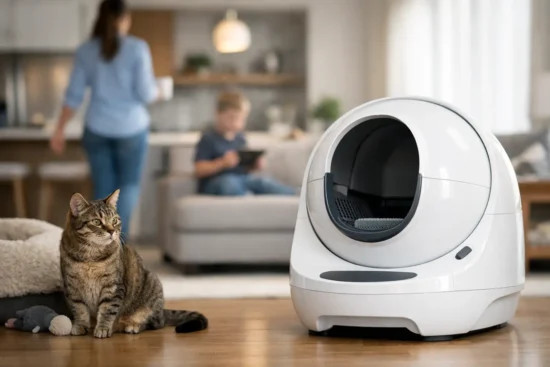
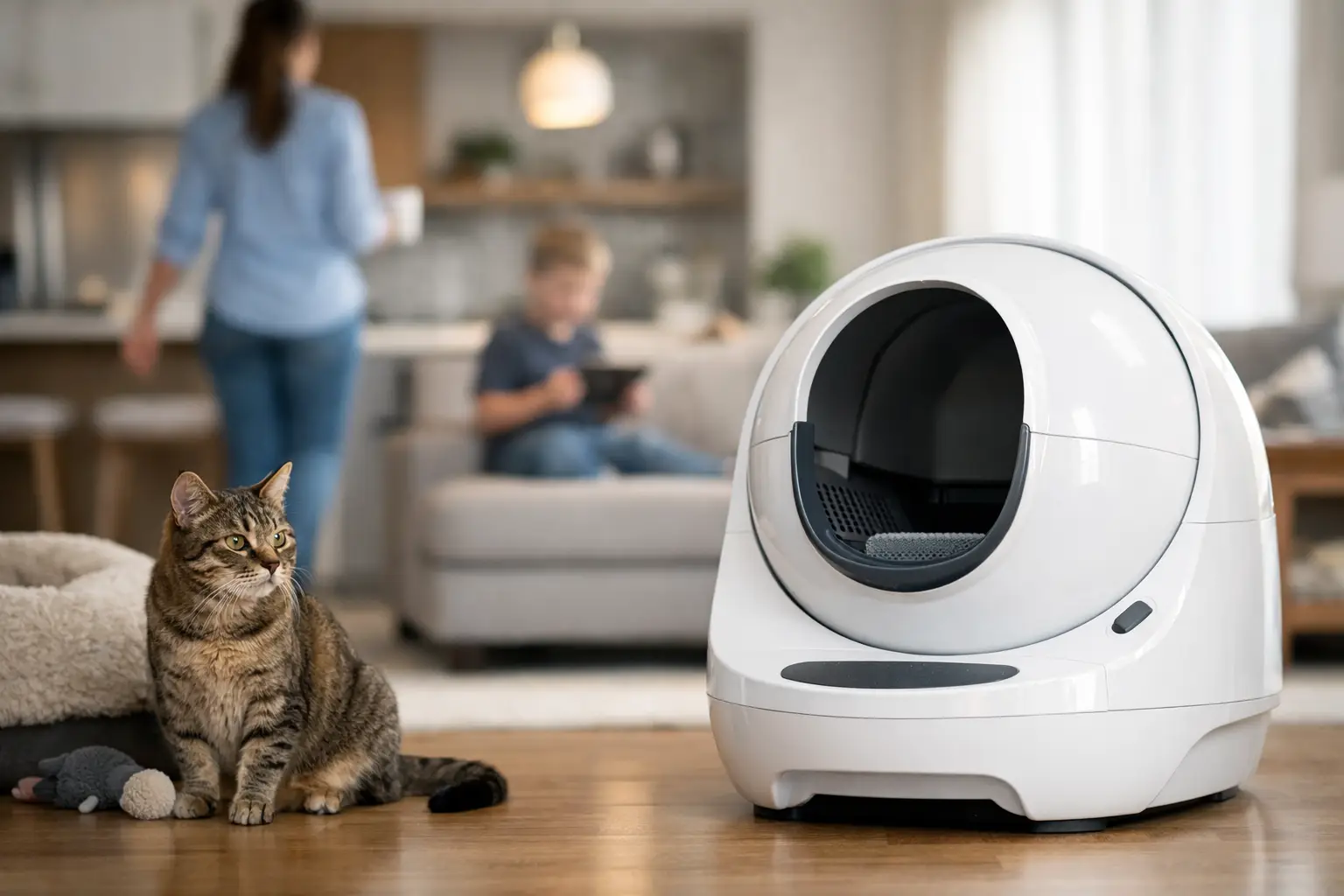
Most self-cleaning litter boxes use a sensor to detect when a cat enters and exits. After a delay, a rake, rotating drum, or sifting mechanism separates waste from clean litter and deposits the clumps into a covered waste drawer. That means the box is ready for the next visit without waiting for a person to scoop it.
The mechanism matters. Rake-style boxes pull clumps into a receptacle and often work with clumping litter. Rotating globe-style models tumble the litter through a grate, dropping waste into a drawer below. Open sifting designs may rotate or tip a tray to separate soiled litter. Each approach has advantages, but none eliminates the need to empty the drawer, wipe interior surfaces, add litter, and periodically deep-clean the unit.
A good automatic box also does not replace litter-box observation. Changes in urine volume, stool consistency, frequency, straining, or accidents outside the box can be early signs that a cat needs veterinary attention. A machine may make waste less visible, so establish a routine for checking the drawer instead of treating it as something to ignore.
The Real Benefits for Cat Owners
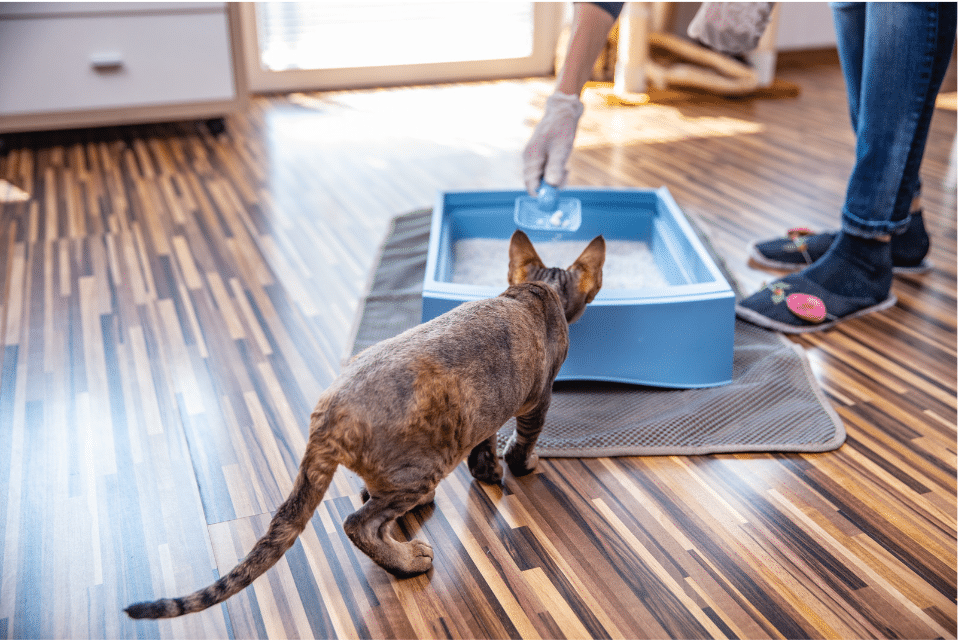
The clearest benefit is consistency. Cats generally prefer a clean place to eliminate, and a box that removes waste shortly after each use can be especially helpful in multi-cat homes. It can also reduce the daily friction of litter duty for owners with demanding work schedules, mobility limitations, or a strong dislike of scooping.
Odor control can improve, too, because waste is moved into a closed compartment rather than remaining exposed in the main pan. Results vary by model, litter type, drawer liner, diet, and how promptly you empty the waste bin. An automatic box with a small drawer that sits full for too long will not smell fresh simply because it has a lid.
There is also a practical household benefit: less direct contact with waste. That does not mean litter boxes are germ-free. Wash your hands after handling litter, keep the unit away from food-preparation areas, and use extra caution if someone in the home is pregnant or immunocompromised. The convenience is meaningful, but basic hygiene still matters.
Where Automatic Litter Boxes Fall Short
Price is the first trade-off. A standard open litter pan is inexpensive and reliable. Self-cleaning models range from a moderate purchase to a major appliance-level investment, and some require proprietary waste bags, filters, or special litter. Before buying, look at the ongoing supply costs, not only the price on the product page.
Size is another concern. Many automatic boxes have a large footprint and need clearance for a waste drawer, rotating globe, or access ramp. Measure the intended spot, including room for a cat to enter comfortably and for you to remove the waste compartment. A cramped laundry-room corner can turn an otherwise smart purchase into a daily annoyance.
Noise and movement can also be deal-breakers. Some cats accept a quiet cycle after a few curious glances. Others may be startled by a motor, a shifting floor under their paws, or the sound of litter tumbling. Senior cats, anxious cats, and cats that are easily startled may do better with a familiar traditional box.
Finally, automatic does not always mean easier to clean. Crevices, sensors, rakes, and rotating chambers can collect litter dust or residue. A model with complicated disassembly may be frustrating when it is time for a full wash. The best choice is often the one you can realistically maintain without dreading the process.
Self Cleaning Cat Box Review: Features That Matter Most
When comparing models, start with your cat rather than the marketing language. A large cat needs enough interior room to turn around and dig naturally. A high-sided but roomy open-top unit can suit a cat that dislikes enclosed spaces, while some cats appreciate the privacy and litter containment of a globe-style design.
Safety features deserve close attention. Look for multiple sensors that pause the cleaning cycle if a cat returns, enters unexpectedly, or is detected near moving parts. The cleaning delay should be long enough for the cat to leave the area calmly. Kittens, very small cats, and cats below the manufacturer’s minimum weight should not use a sensor-based automatic box unless the product specifically states it is safe for them.
Capacity is equally important. A waste drawer advertised to last a week may last far less time with two cats, a large cat, or a high-fiber diet that produces bulkier stools. For a multi-cat household, choose a box rated for the number of cats you have, then plan to inspect the drawer daily anyway.
Pay attention to litter compatibility. Some units require hard-clumping clay litter, while others work only with specific crystal litter or brand-specific cartridges. If you already use a low-dust, unscented clumping litter that your cat likes, confirm that it will work before committing. Changing both the box and the litter at once can make the transition unnecessarily difficult.
How to Help Your Cat Accept a New Box
Do not remove the old box the day the automatic one arrives. Place the new unit nearby, turned off, with a small amount of your cat’s usual clean litter inside. Let your cat investigate it without pressure for several days. Treats, calm praise, and normal household routines can help create a positive association.
Once your cat uses it comfortably, run a cleaning cycle when they are not nearby so they can hear and observe it from a safe distance. Then activate the automatic setting. Keep the old litter box available until your cat has used the new one consistently for at least a week or two.
If your cat avoids the unit, do not force the issue. Check whether the entrance is too high, the interior feels too tight, the litter has changed, or the motor is too loud. A return to a well-maintained traditional box is better than risking litter-box avoidance, which can become stressful for both cats and people.
Who Should Buy One, and Who Should Skip It?
A self-cleaning box can be a strong fit for one- or two-cat homes where owners want more consistent scooping, have enough room for the unit, and are willing to maintain it properly. It can be particularly helpful for busy professionals and families who want a cleaner box between their regular litter-care sessions.
It may be less suitable for very young kittens, cats with mobility concerns, cats that have a history of litter-box anxiety, or households that cannot comfortably absorb replacement supply costs. Owners monitoring a cat for urinary or digestive issues may also prefer a standard box temporarily, since it is easier to see exactly what is happening each time the cat uses it.
The right choice is not the most expensive machine or the one with the longest feature list. It is the box your cat uses willingly, that fits your home, and that you will keep clean. A self-cleaning model can give you back a few minutes each day, but your cat still depends on you to notice the details that matter most.