

The information in this article is for educational and informational purposes only. It is not intended as veterinary advice, diagnosis, or treatment for any medical or health issue your pet may have.
Always consult a licensed veterinarian before making any decisions about your pet’s health, diet, medications, supplements, training, or care. Never disregard or delay professional veterinary advice based on content from this website.
BarkleyAndPaws.com and its authors assume no responsibility or liability for any errors, omissions, or outcomes resulting from the use of this information.
You part your cat’s fur for a quick cuddle check and spot white flakes along the back. Sometimes that is a minor grooming issue. Sometimes it is your cat’s way of telling you something is off. Understanding cat dandruff causes treatment starts with one basic truth – flakes are a symptom, not a diagnosis.
A little dry skin can show up during winter or after a bath. But persistent dandruff, greasy fur, itching, hair loss, or skin redness deserve a closer look. The good news is that many cases improve with better grooming, diet, hydration, and home care. The catch is that dandruff can also point to parasites, allergies, obesity, pain, or underlying disease.
Cat dandruff causes treatment: what is actually going on?
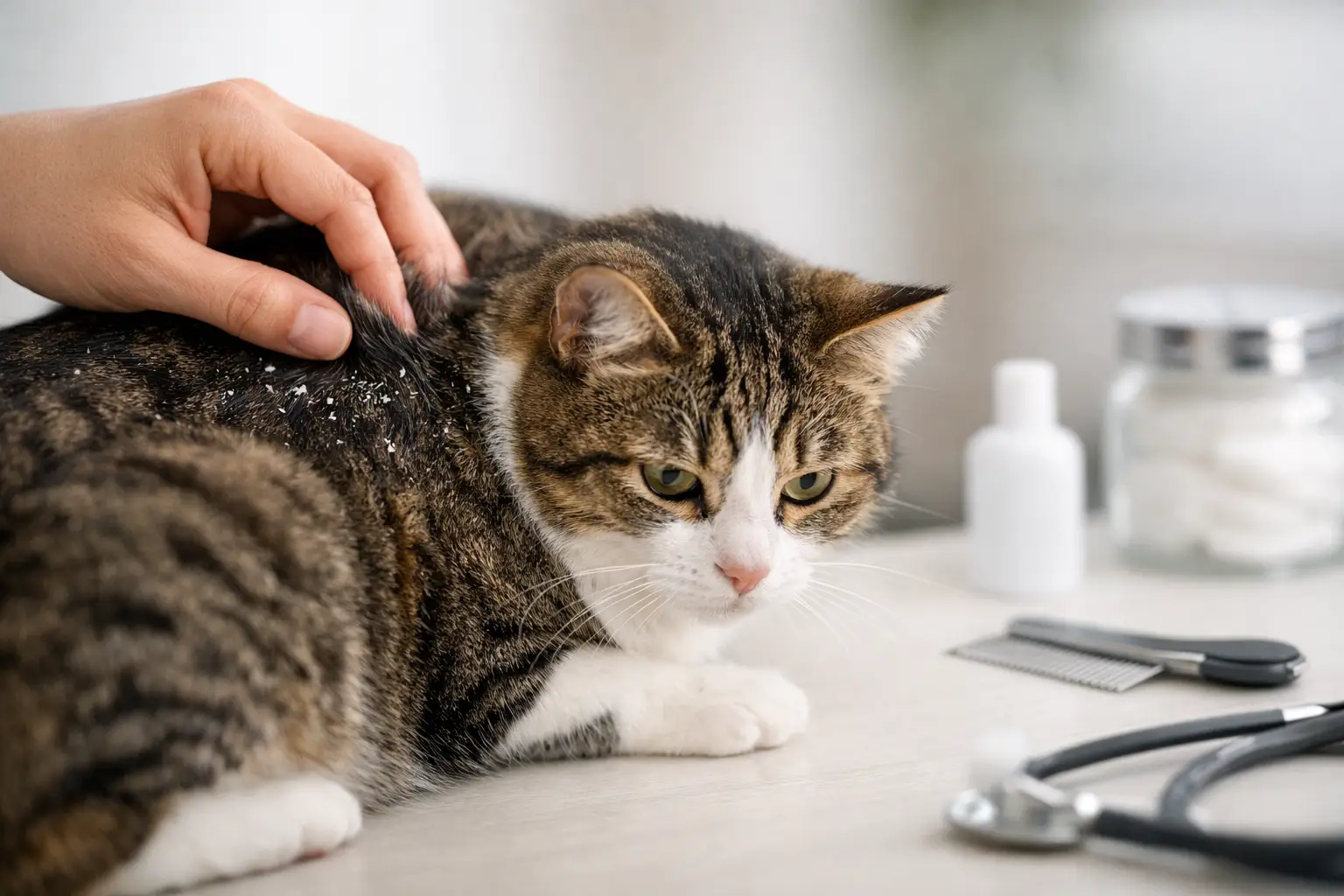
Cat dandruff is made up of dead skin cells that shed from the coat in visible flakes. All cats naturally shed skin cells, but when the balance of oil production, grooming, and skin health is disrupted, those flakes become obvious.
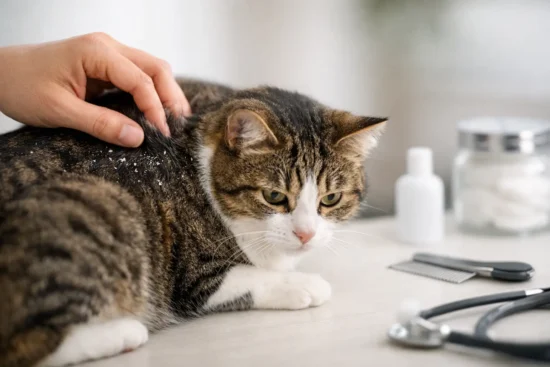
Location matters a bit. Flakes concentrated near the base of the tail can show up with flea problems. Dandruff over the lower back is also common in overweight cats that cannot groom well. Widespread flakes across the body may suggest dry skin, poor coat condition, allergies, or a medical issue affecting the skin from the inside out.
It also helps to distinguish dandruff from dander. Dander is microscopic and normal. Dandruff is the larger, visible flaking that pet owners notice on dark fur, bedding, or the couch.
Common causes of dandruff in cats
Dry air is one of the simplest explanations. Indoor heating can lower humidity enough to dry out the skin, especially in winter. Cats with naturally sensitive skin may start flaking even if nothing else has changed.
Poor grooming is another common factor. Senior cats, overweight cats, and cats with arthritis may struggle to reach the back half of the body. When grooming drops off, loose hair, oils, and dead skin build up. That is why dandruff often shows up along the spine or near the tail.
Diet can play a role too. Cats need balanced nutrition to maintain healthy skin and coat quality. If a cat’s food is low in key nutrients or the cat is not eating well, the skin may become dry and the coat dull. Not every flaky cat needs a diet overhaul, but food quality is worth reviewing if dandruff is persistent.
Parasites are a bigger concern. Fleas can trigger irritation and flaking, and some mites can create scaling that looks like severe dandruff. One mite problem, often nicknamed walking dandruff, can even make flakes appear to shift because the mites move under skin debris. If your cat is itchy or other pets are affected, parasites jump higher on the list.
Allergies are another possibility. Cats can react to food ingredients, flea bites, dust, pollen, or household products. Allergic skin disease often comes with itching, overgrooming, redness, or scabs, not just simple flakes.
Infections can also be involved. Ringworm, yeast overgrowth, and bacterial skin infections may cause flaky patches, hair loss, or inflamed areas. These usually need veterinary treatment rather than home remedies.
Then there are the less obvious causes. Stress can affect grooming habits. Dehydration can contribute to dry skin. Hormonal or metabolic issues, though less common, can change coat quality and skin health. If dandruff appears suddenly and does not improve, it is smart to think beyond the skin itself.
When dandruff is more than a cosmetic issue
A few flakes without itchiness or skin changes may not be urgent. Still, there are signs that mean your cat should be seen by a veterinarian sooner rather than later.
If your cat is scratching a lot, grooming obsessively, losing fur, developing sores, or acting painful when touched, dandruff is probably part of a larger problem. The same goes for greasy fur, a bad skin odor, scabs, weight changes, poor appetite, or a noticeable drop in grooming.
Kittens, senior cats, and cats with existing health conditions should be watched especially closely. Their skin problems can progress faster, and they may have less reserve if the cause is systemic.
How to treat cat dandruff at home
For mild cases, treatment is usually about supporting the skin barrier and helping your cat groom more effectively. The best approach depends on the cause, which is why home care works best when symptoms are truly mild.
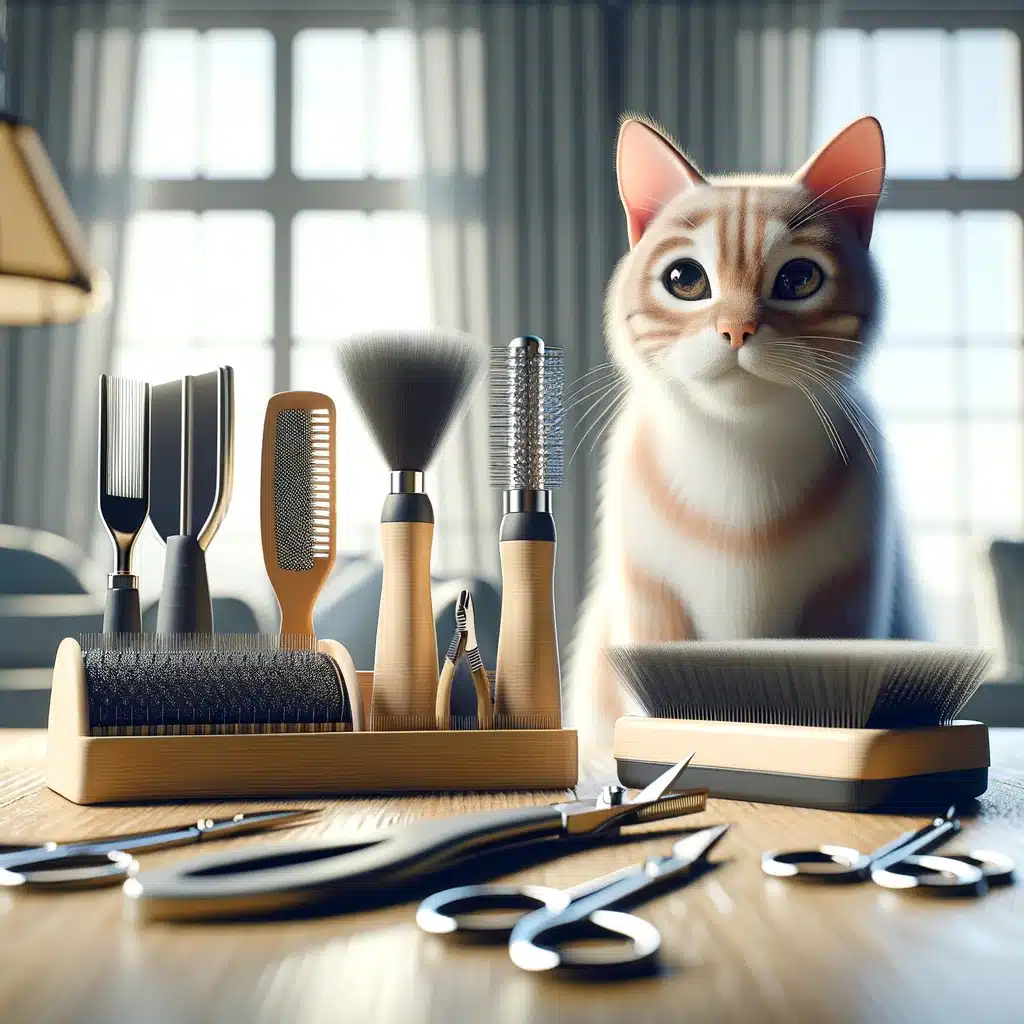
Start with brushing. Regular brushing removes loose hair and dead skin while spreading natural oils through the coat. Long-haired cats often need more help than short-haired cats, but even a few gentle sessions per week can make a visible difference. If your cat dislikes brushes, try short sessions and reward them after.
Hydration matters more than many owners realize. Some cats simply do not drink much. Offering fresh water in multiple spots, using a fountain, or increasing canned food can help support skin moisture from the inside.
Take a close look at diet quality. If your cat is eating a budget food with unclear ingredient quality or a diet not designed for complete daily nutrition, improving the food may help over time. Skin and coat benefits are not instant. Give changes several weeks unless your vet recommends something more specific.
Weight management can also be part of treatment. If your cat cannot comfortably bend and groom, dandruff may persist until mobility and body condition improve. This is one of those it depends situations – brushing helps in the short term, but long-term improvement may require a broader health plan.
You can also run a humidifier in dry months, especially if your home air feels dry enough to affect your own skin. This will not fix parasites or allergies, but it may reduce seasonal flaking.
Bathing is usually not the first answer. Many cats do not need baths, and frequent washing can make dry skin worse. Never use human dandruff shampoo on a cat. If your veterinarian recommends a cat-safe medicated or moisturizing shampoo, follow those instructions closely.
Cat dandruff causes treatment: when home care is not enough
If dandruff lasts more than a couple of weeks, comes back quickly, or appears with other symptoms, veterinary care is the better move. Your vet may check for fleas, mites, ringworm, infection, obesity-related grooming problems, arthritis, or signs of illness affecting the skin.
Treatment can vary a lot. A flea problem may need prescription prevention for all pets in the home. A mite infestation may call for targeted medication. Allergies may require diet trials, parasite control, or anti-itch treatment. An older cat with back pain may need pain management so grooming can improve again.
That range is exactly why guessing can waste time. Coconut oil, random supplements, and over-the-counter skin products often sound appealing, but they can delay real treatment or upset your cat’s stomach if used carelessly. Safe does not always mean useful.
Simple prevention that helps most cats
Good prevention is not fancy. It is consistent.
Brush your cat regularly, keep flea prevention current, feed a complete and balanced diet, and pay attention to body weight. If your cat is long-haired, senior, or less flexible than they used to be, routine coat checks matter even more. Catching dry skin early is easier than dealing with a bigger skin problem later.
Your home setup matters too. Clean bedding, low-stress routines, and a comfortable environment support healthier grooming habits. Cats are subtle creatures. A coat problem is sometimes one of the first visible hints that comfort, mobility, or wellness has changed.
Frequently asked questions about cat dandruff
Is cat dandruff ever normal?
A small amount can be normal, especially during seasonal dryness. Persistent flakes, itching, or coat changes are less likely to be normal and should be evaluated.
Can I use olive oil or coconut oil for cat dandruff?
It is not the best first step. Topical oils can make the coat greasy, and oral oils add calories fast. Some cats also get stomach upset. It is better to identify the cause before trying home remedies.
Does dandruff mean my cat has fleas?
Not always. Fleas are one possible cause, especially if flakes are near the tail base or your cat is itchy, but dry skin, poor grooming, allergies, and illness can also be behind it.
Should I switch foods right away?
Only if there is a good reason. If your cat otherwise seems healthy, review food quality and talk to your vet before making abrupt changes. If allergies are suspected, random switching can make diagnosis harder.
When you see flakes on your cat, think of them as a clue, not just a mess on the fur. A little extra brushing may be enough, or your cat may be asking for more meaningful help. Either way, paying attention early is one of the simplest ways to keep your cat comfortable in their own skin.