

The information in this article is for educational and informational purposes only. It is not intended as veterinary advice, diagnosis, or treatment for any medical or health issue your pet may have.
Always consult a licensed veterinarian before making any decisions about your pet’s health, diet, medications, supplements, training, or care. Never disregard or delay professional veterinary advice based on content from this website.
BarkleyAndPaws.com and its authors assume no responsibility or liability for any errors, omissions, or outcomes resulting from the use of this information.
Your dog spots a squirrel, lunges, and suddenly your peaceful walk turns into a tug-of-war. That is usually the moment pet parents start comparing a front clip vs back clip harness and wondering which one will actually make walks easier.
The short answer is that both can be good choices, but they solve different problems. A front-clip harness is often better for dogs that pull, while a back-clip harness tends to work well for dogs that already walk politely or need a simple, comfortable everyday option. The right pick depends on your dog’s behavior, body shape, training stage, and how much control you need in real life.
Front clip vs back clip harness: what changes on a walk?
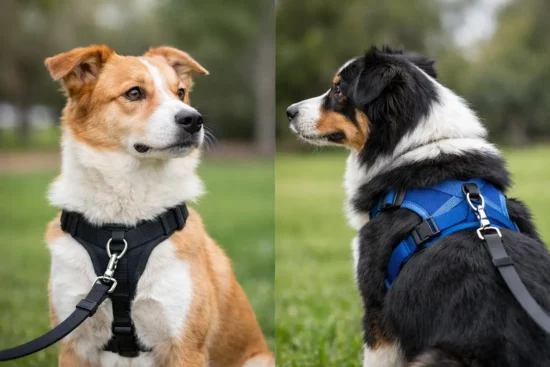
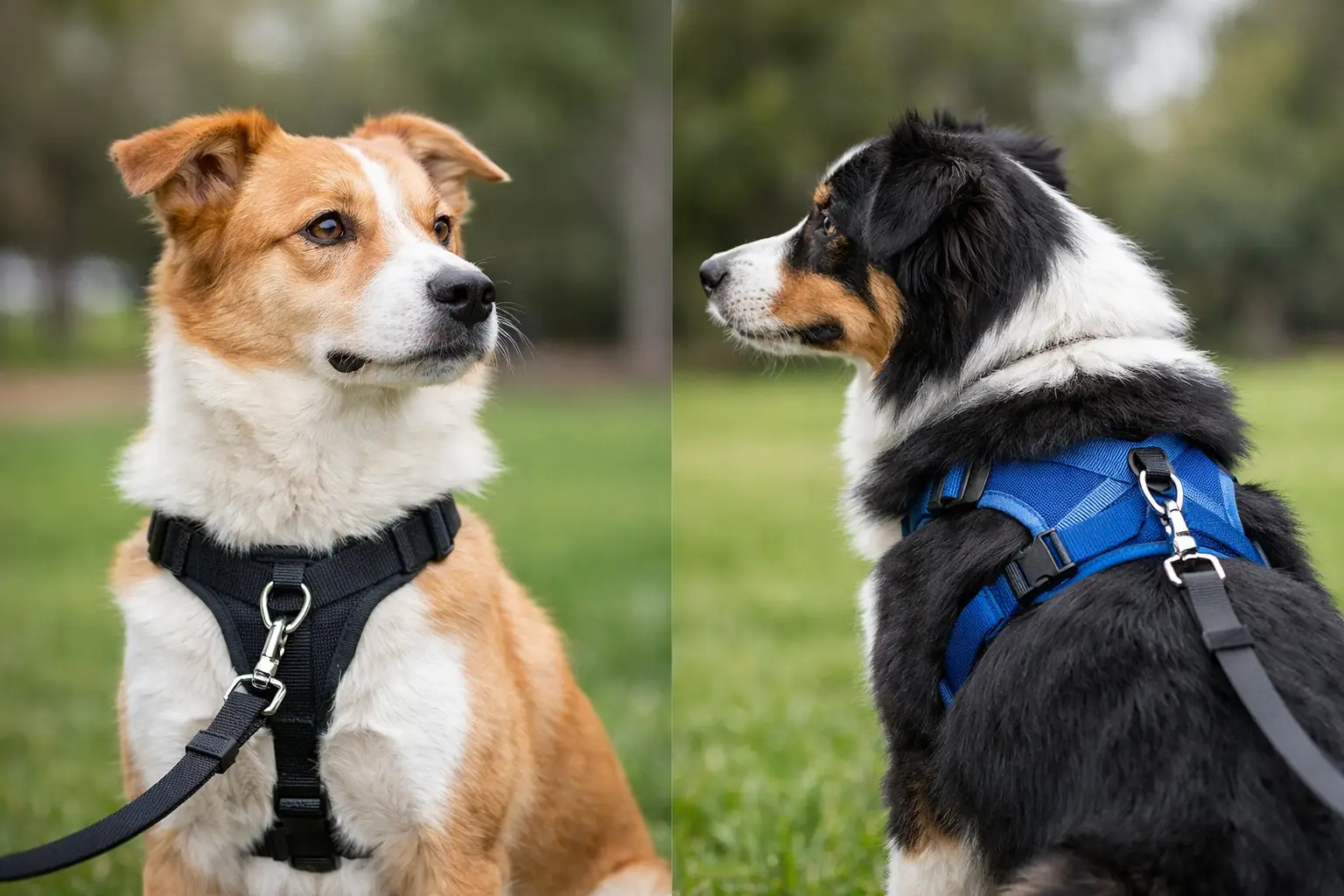
The main difference is where the leash attaches. On a front-clip harness, the leash connects at the chest. On a back-clip harness, it connects between the shoulders or along the back.
That one design change can completely alter how your dog moves when they hit the end of the leash. With a front clip, forward pulling tends to redirect the dog slightly to the side, which makes it harder for them to put their full body weight into hauling you down the sidewalk. With a back clip, pulling pressure stays behind the dog, which can feel more natural and comfortable but may also let a strong puller lean in and keep going.
This is why front-clip styles are so often recommended for leash-training, especially for adolescent dogs, rescue dogs, and enthusiastic large breeds. A back-clip harness is not wrong. It is just usually less helpful if your dog’s favorite walking strategy is “charge ahead and ask questions later.”
When a front-clip harness makes more sense
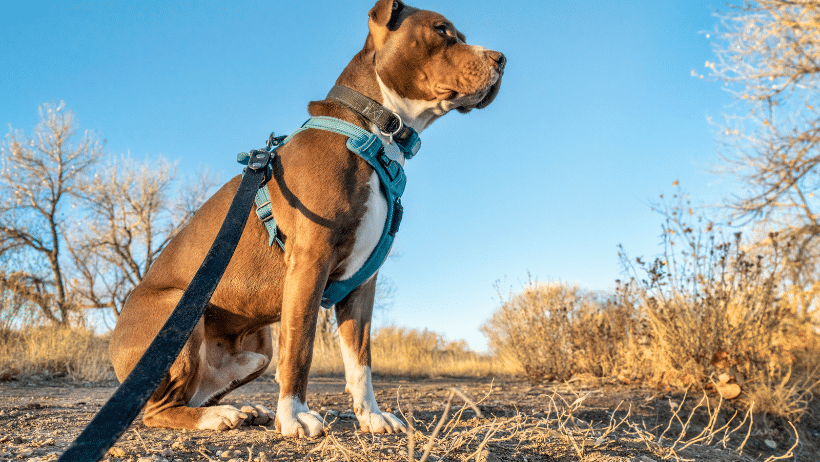
If your dog pulls hard, a front-clip harness usually gives you more steering power without putting pressure on the neck. That can be a big improvement over a standard collar, especially for small dogs with delicate tracheas and larger dogs with enough strength to yank an adult off balance.
The biggest advantage is that a front clip interrupts momentum. Instead of rewarding pulling with more forward progress, it gently turns the dog back toward you. For many pet owners, that creates calmer, more manageable walks while training catches up.
Front-clip harnesses can also help with dogs that get overstimulated outdoors. If your dog zigzags, lunges toward other dogs, or rockets toward every smell, the chest attachment can give you faster, more precise control in those moments.
That said, front-clip harnesses are not magic. Some dogs find them restrictive at first, and poor-fitting designs can rub around the shoulders or chest. If the harness shifts sideways during the walk, it may not fit correctly. Dogs with very short legs, broad chests, or unusual proportions sometimes need more careful fitting in a front-clip style.
They also work best when paired with actual leash training. A harness can improve mechanics, but it does not teach loose-leash skills by itself.
Best match for a front clip
A front clip is often a strong choice for young dogs in training, medium to large dogs that pull, recently adopted dogs still learning routine, and owners who want more control in busy neighborhoods or parks.
When a back-clip harness is the better fit
Back-clip harnesses are popular for good reason. They are simple, familiar, and often very comfortable for dogs to wear. Many dogs accept them more readily than front-clip designs because the leash stays out of the way and does not affect shoulder movement as much.
If your dog already walks nicely on leash, a back clip can be an excellent everyday option. It is also commonly preferred for small dogs, senior dogs, and dogs who dislike gear that sits across the chest in a more controlling position.
For casual walks, quick potty breaks, travel, and low-distraction outings, a back-clip harness often feels easy and practical. Many pet parents also like them for car transitions, vet visits, and daily wear because they are straightforward to put on and remove.
Where they struggle is with strong pullers. Because the leash attachment is behind the dog, many dogs instinctively push forward against that pressure. Think sled-dog physics, just less snowy and more neighborhood chaos. If your dog drags you toward every passing rabbit, a back clip may keep them comfortable but not necessarily keep you in control.
Best match for a back clip
A back clip usually suits dogs with solid leash manners, smaller or calmer dogs, seniors needing gentle comfort, and pet owners who want an uncomplicated harness for routine outings.
Fit matters more than most people realize
Even the best harness style can become the wrong choice if the fit is poor. A loose harness can let a dog back out and escape. A tight one can rub, pinch, or restrict natural gait.
Look for a harness that sits securely without pressing into the armpits. You should usually be able to fit two fingers between the harness and your dog’s body. The chest piece should rest comfortably without cutting into the throat, and the back straps should stay stable instead of sliding side to side.
Watch your dog walk in it. If their stride looks shortened, awkward, or uneven, the harness may be interfering with movement. This matters especially in active dogs and puppies, since repeated restriction can make walks uncomfortable over time.
Material matters too. Soft but sturdy webbing, padded contact points, and adjustable straps tend to give the best balance of comfort and control. Lightweight dogs may need something less bulky, while stronger dogs benefit from wider straps and more secure hardware.
Front clip vs back clip harness for different dog types
A lot of harness advice sounds absolute, but this is where it really becomes a “depends” decision.
For a puppy, a front clip can help early leash training, but only if the harness fits the puppy’s fast-changing body well. For a senior dog with arthritis, a soft back-clip harness may be easier and gentler for short strolls. For a brachycephalic breed like a pug or French bulldog, avoiding throat pressure is especially helpful, so either harness style can be better than a collar if fitted properly.
For deep-chested breeds, escape risk matters. Some dogs are surprisingly talented at slipping out of poorly shaped harnesses, especially when startled. In those cases, the style of clip matters less than overall security and fit.
Reactive dogs can be a special case. A front clip may give better directional control when your dog suddenly lunges, but some reactive dogs do better in a well-fitted back-clip harness paired with careful behavior work, because they feel less physically frustrated. The answer is not always the one with the most control on paper. It is the one your dog can move in safely while staying under manageable guidance.
What if you want both?
Some harnesses offer both front and back leash attachment points, and for many households, that is the most flexible option. You can use the front clip during training walks or in busy environments, then switch to the back clip for relaxed walks once your dog is calmer and more reliable.
This kind of setup can be especially useful if multiple family members walk the dog. A stronger or more experienced handler might be comfortable with the back clip, while someone who needs more control may prefer the front.
Just be careful not to assume a dual-clip harness is automatically better made. The same rules still apply – fit, comfort, durability, and how your dog actually moves in it matter more than extra features.
How to choose without overthinking it
Start with your dog’s biggest walking challenge. If the problem is pulling, lunging, or poor leash manners, try a front-clip harness first. If the problem is not behavior but simply wanting a comfortable, safe alternative to a collar, a back-clip harness may be all you need.
Then think about your own handling needs. A harness should not just fit the dog. It should fit the human walking the dog too. If a certain style helps you stay balanced, respond faster, and feel more confident, that matters.
Finally, give your dog a real test period. A harness that looks great in the package can twist, rub, or frustrate your dog once you are actually moving. Watch for chafing, shifting, coughing, freezing, or increased pulling. Those are clues that the harness is not the right match, even if the style seemed right in theory.
The best harness is usually the one that helps your dog walk comfortably and helps you guide them kindly. If you are choosing between front clip vs back clip harness options, think less about which one is universally best and more about which one makes your next walk safer, calmer, and a little more enjoyable for both ends of the leash.