

The information in this article is for educational and informational purposes only. It is not intended as veterinary advice, diagnosis, or treatment for any medical or health issue your pet may have.
Always consult a licensed veterinarian before making any decisions about your pet’s health, diet, medications, supplements, training, or care. Never disregard or delay professional veterinary advice based on content from this website.
BarkleyAndPaws.com and its authors assume no responsibility or liability for any errors, omissions, or outcomes resulting from the use of this information.
The first night with a new dog is rarely picture-perfect. Some dogs pace, some hide, some cry at 2 a.m., and some act like they have owned your couch for years. That is exactly why a solid new dog owner guide matters. The early days shape your dog’s routine, confidence, and behavior, and they also set the tone for your life together.
If you are a first-time dog parent, the goal is not to do everything at once. It is to create safety, predictability, and a few clear habits your dog can understand. Dogs adjust faster when the home feels calm and the rules stay consistent.
New dog owner guide: what to do before day one
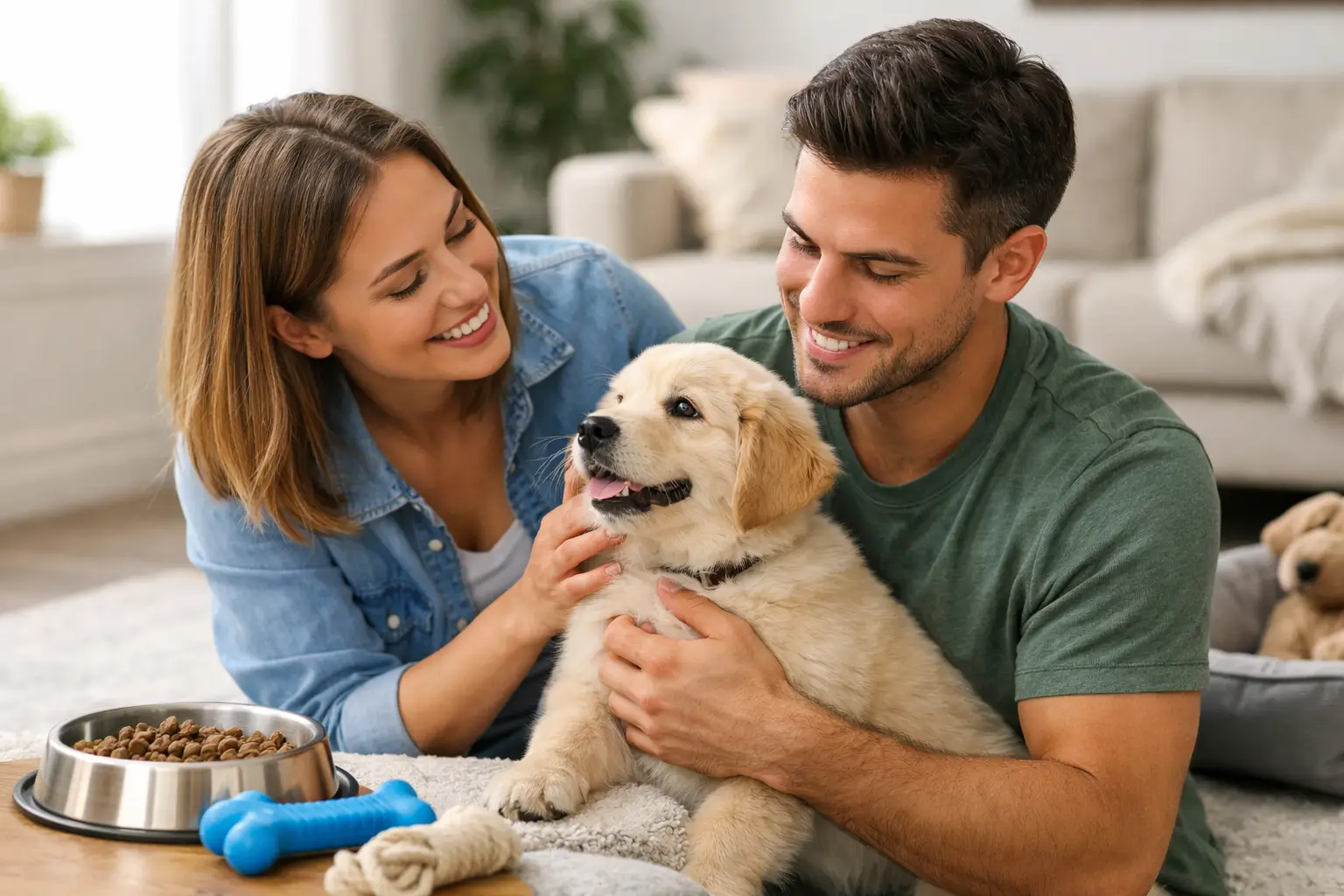
Before your dog walks through the door, set up a simple home base. That usually means a crate or gated area, food and water bowls, a leash, collar or harness, ID tag, a bed, waste bags, and a few durable toys. You do not need a mountain of gear. You need the basics, and you need them ready.
Puppy-proofing and dog-proofing are different from regular tidying. Move medications, chocolate, grapes, cleaning products, cords, socks, and anything chewable out of reach. Even adult dogs can test boundaries in a new environment, especially when they are stressed or curious.
It also helps to decide house rules in advance. Will the dog be allowed on furniture? Where will they sleep? Who handles morning walks? Dogs do better when every person in the home sends the same message.
The first 72 hours: keep life small and calm
A lot of new owners make the same mistake: they bring the dog home and immediately invite friends over, visit the pet store, and introduce every neighbor on the block. It is understandable, but it is usually too much. Your dog is processing a huge change, even if they seem excited.
For the first few days, keep things quiet. Let your dog explore one or two rooms, then gradually expand access. Take them outside on a leash for bathroom breaks and short walks, and watch their body language. A tucked tail, lip licking, yawning, panting when it is not hot, or refusal to eat can all be signs of stress.
If you adopted from a shelter or rescue, ask what food they were eating and stick with it at first. Sudden diet changes plus stress can lead to stomach upset. You can switch food later if needed, but a gradual transition is easier on most dogs.
Build a routine before you worry about perfection
Dogs thrive on repetition. Feeding, potty breaks, walks, play, and rest should happen on a fairly predictable schedule. That does not mean every minute has to be rigid. It means your dog should start learning when good things happen and what is expected.
A basic day might include a morning potty break, breakfast, a short walk, quiet time, another bathroom trip, play or training, dinner, and one last outing before bed. Puppies need more frequent bathroom breaks and shorter activity bursts. Adult dogs may handle longer stretches, but age, breed, size, and medical history all matter.
This is where many new owners get tripped up. They assume a tired dog is always a well-behaved dog, so they keep adding stimulation. In reality, some dogs become overtired and more chaotic, not less. Rest is part of training too.
Feeding basics that keep you out of trouble
Food questions come fast. How much? How often? Which brand? Wet or dry? The best starting point is simple: feed a complete and balanced diet appropriate for your dog’s life stage, then adjust based on your veterinarian’s guidance, body condition, and energy level.
Puppies generally eat more often than adults. Small breeds can have different calorie needs than large breeds. Giant-breed puppies need especially careful nutrition because growing too fast can stress developing joints. Treats count too, and overdoing them is easy when you are rewarding every cute sit and accidental paw shake.
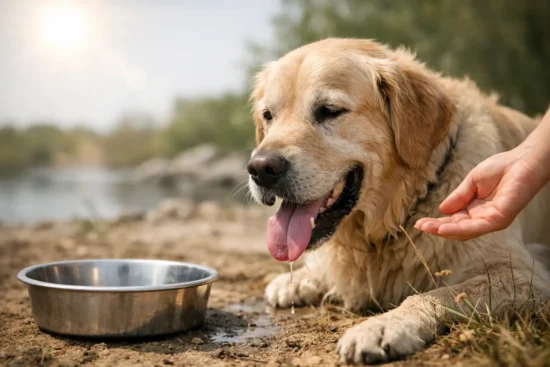
Keep fresh water available at all times unless your vet tells you otherwise. If your dog gulps food, a slow feeder bowl can help. If they guard food, do not punish them for it. Manage the situation calmly and get training support early before it escalates.
Vet care should happen early, not after a problem starts
One of the smartest moves in any new dog owner guide is scheduling a veterinary visit soon after adoption or purchase. Even if your dog came with records, a baseline exam matters. Your vet can review vaccines, parasite prevention, diet, spay or neuter status, dental health, and any signs of hidden illness.
Bring any paperwork you have, including vaccine history, microchip details, medications, and feeding information. Ask about flea, tick, and heartworm prevention based on your region. In many parts of the US, year-round prevention is standard because parasites are not just a summer problem.
This early visit is also your chance to ask the questions people tend to put off, like whether that scratching is normal, how to trim nails safely, or when to worry about loose stool. A little prevention is cheaper and easier than a weekend emergency clinic visit.
Training starts on day one, even if you are not “training” yet
Dogs are always learning. They learn what gets attention, what earns access, and what works. That means your first habits matter more than your first trick.
Start with a name response, potty training, leash manners, and a few simple cues like sit, come, and leave it. Keep sessions short and clear. A few minutes at a time is enough for most dogs, especially puppies. Reward what you like right away so your dog can connect the behavior to the outcome.
House training is less about scolding accidents and more about management. Take your dog out after sleeping, eating, playing, and any period of excitement. Praise and reward outdoor success. If an accident happens, clean it thoroughly and move on. Punishment after the fact usually teaches fear, not better bathroom habits.
Crate training can be a huge help when done properly. The crate should feel safe, not like a penalty box. Go slowly, pair it with treats or meals, and avoid using it for long stretches that your dog cannot handle yet.
Socialization is not the same as overstimulation
One of the most misunderstood parts of early dog care is socialization. It does not mean forcing your dog to greet every person and dog in sight. It means helping them feel safe around normal life – sounds, surfaces, people, handling, car rides, and everyday environments.
For puppies, this window is especially valuable, but adult dogs benefit too. The key is positive exposure at a pace your dog can handle. A calm walk past traffic, hearing the vacuum from another room, or seeing kids from a comfortable distance can all be useful experiences.
Dog parks are not a requirement, and for many new dogs, they are a poor starting point. Too many variables, too much intensity, and too little control. A structured walk or one-on-one playdate with a stable dog is often the better choice.
Behavior issues to watch before they become bigger
Some bumps are normal in the first month. Your dog may bark more, sleep oddly, cling to you, avoid you, or test boundaries. What matters is the pattern and the intensity.
If your dog is showing repeated fear, growling around food or toys, severe separation distress, nonstop accidents, or destructive chewing that feels frantic rather than playful, do not wait it out forever. Some issues improve with routine, but others need a training plan and sometimes veterinary input. Early help is usually more effective than trying to undo a well-practiced problem later.
The same goes for kids and dogs. Never assume affection equals safety. Supervise every interaction, teach children how to give space, and give the dog a place to retreat undisturbed.
The gear you actually need first
It is easy to overspend in week one. Focus on function before novelty. A well-fitted harness or collar, a standard leash, ID tags, a bed, food storage, grooming basics, poop bags, and safe chew toys cover most needs.
After that, buy based on your dog, not the trend cycle. A short-coated dog in a rainy climate may genuinely benefit from a waterproof dog coat. An anxious chewer may need tougher enrichment toys. A senior dog may need traction rugs or orthopedic bedding. The best products solve a real problem in your home.
New dog owner guide for real life, not social media
Your dog does not need a perfect aesthetic corner, matching bowls, or advanced obedience by the end of week two. They need sleep, safety, patience, and a human who notices what they are communicating. Some dogs settle in quickly. Others need a month or more before their personality fully shows up.
That is normal. Progress with dogs is rarely a straight line. You may have a great day followed by a chaotic one, especially during the adjustment period. Keep the routine steady, reward the behavior you want, and ask for help when something feels off.
The best first month is not the fanciest one. It is the one where your dog starts to relax, trust you, and learn that your home is a safe place to be. That is the kind of start both of you can build on.