

The information in this article is for educational and informational purposes only. It is not intended as veterinary advice, diagnosis, or treatment for any medical or health issue your pet may have.
Always consult a licensed veterinarian before making any decisions about your pet’s health, diet, medications, supplements, training, or care. Never disregard or delay professional veterinary advice based on content from this website.
BarkleyAndPaws.com and its authors assume no responsibility or liability for any errors, omissions, or outcomes resulting from the use of this information.
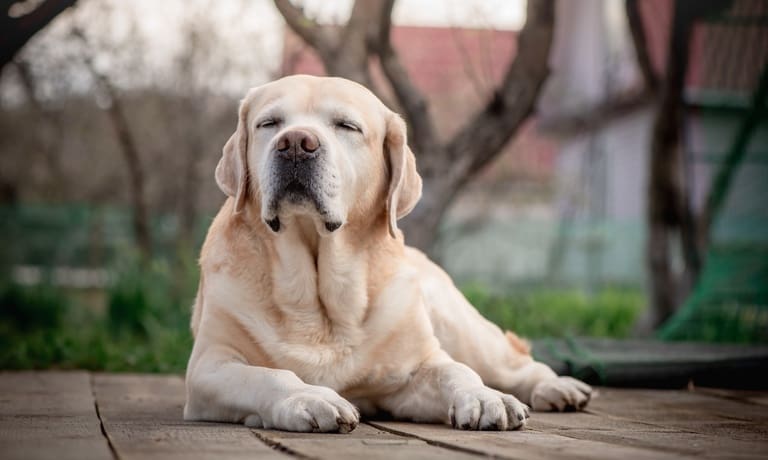
Senior dogs may still love spending time in the backyard, but the way they move through that space often changes with age. A route they once raced across may start to feel uneven, confusing, or tiring. That is why senior dogs need simpler yard routes that help them enjoy fresh air and gentle outdoor time without unnecessary stress.
Keep Paths Clear and Predictable
One of the easiest ways to support an aging dog is to keep outdoor walkways simple. Try to create a clear path from the door to your dog’s favorite potty spot or shaded resting area. Move hoses, toys, planters, lawn tools, and patio furniture away from the places your dog uses most. Older dogs with stiff joints or weaker vision may not step around clutter as easily as they did when they were younger.
Make Boundaries Easy To Understand
Boundaries also matter. Senior dogs can become more easily startled by passing cars, neighbors, wildlife, or other pets. Gates should latch securely, and any fences should be well-maintained so your dog has a safe, familiar space to explore.
Older fencing with sharp edges, loose boards, wide gaps, or weak spots may need to be repaired or replaced before it leads to an injury or escape. For older dogs who move carefully or startle more easily, the right fence can make outdoor time more predictable and easier to navigate.
Create Rest Spots Along the Way
Comfortable rest spots are just as important as open walking space. A senior dog may need more breaks outside, especially on warm days or after activity. Keep shaded areas available and avoid making your dog cross hot pavement or uneven ground to reach a comfortable place to rest. Soft grass, stable footing, and familiar routines can make a big difference for a dog who is slowing down.
Watch for Changes in Outdoor Habits
It also helps to notice how your dog uses the yard from day-to-day. If your dog suddenly seems confused, painful, reluctant to move, or nervous in a yard they once enjoyed, bring it up with your veterinarian. These changes can come from discomfort, vision loss, hearing changes, anxiety, or cognitive decline.
A thoughtful outdoor routine should be part of overall senior dog care, not a replacement for it. With a few simple changes, you can give your older dog simpler routes through the yard and a safer, more comfortable place to explore at their own pace.