

The information in this article is for educational and informational purposes only. It is not intended as veterinary advice, diagnosis, or treatment for any medical or health issue your pet may have.
Always consult a licensed veterinarian before making any decisions about your pet’s health, diet, medications, supplements, training, or care. Never disregard or delay professional veterinary advice based on content from this website.
BarkleyAndPaws.com and its authors assume no responsibility or liability for any errors, omissions, or outcomes resulting from the use of this information.
Some dogs eat like they are late for an appointment. One minute dinner hits the bowl, and the next it is gone, followed by hiccups, burping, or that familiar worried look that says you may be cleaning up regurgitated kibble in ten minutes. That is exactly why many owners start looking for the best slow feeders for dogs – not as a trendy upgrade, but as a practical fix for dogs who inhale meals.
Slow feeders can help stretch out mealtime, reduce fast gulping, and make eating a little more mentally engaging. They are not magic, and they are not all built the same. The right pick depends on your dog’s size, nose shape, determination level, and whether you feed dry food, wet food, or a mix of both.
Why slow feeders help some dogs so much
Fast eating is more than a messy habit. Dogs that gulp food can swallow extra air, which may lead to gas, discomfort, or vomiting right after meals. Large and deep-chested breeds can also have a higher risk of bloat, a serious medical emergency, although a bowl alone is not a guaranteed way to prevent it. That is one reason many veterinarians encourage owners to focus on slower, calmer feeding routines rather than speed eating.
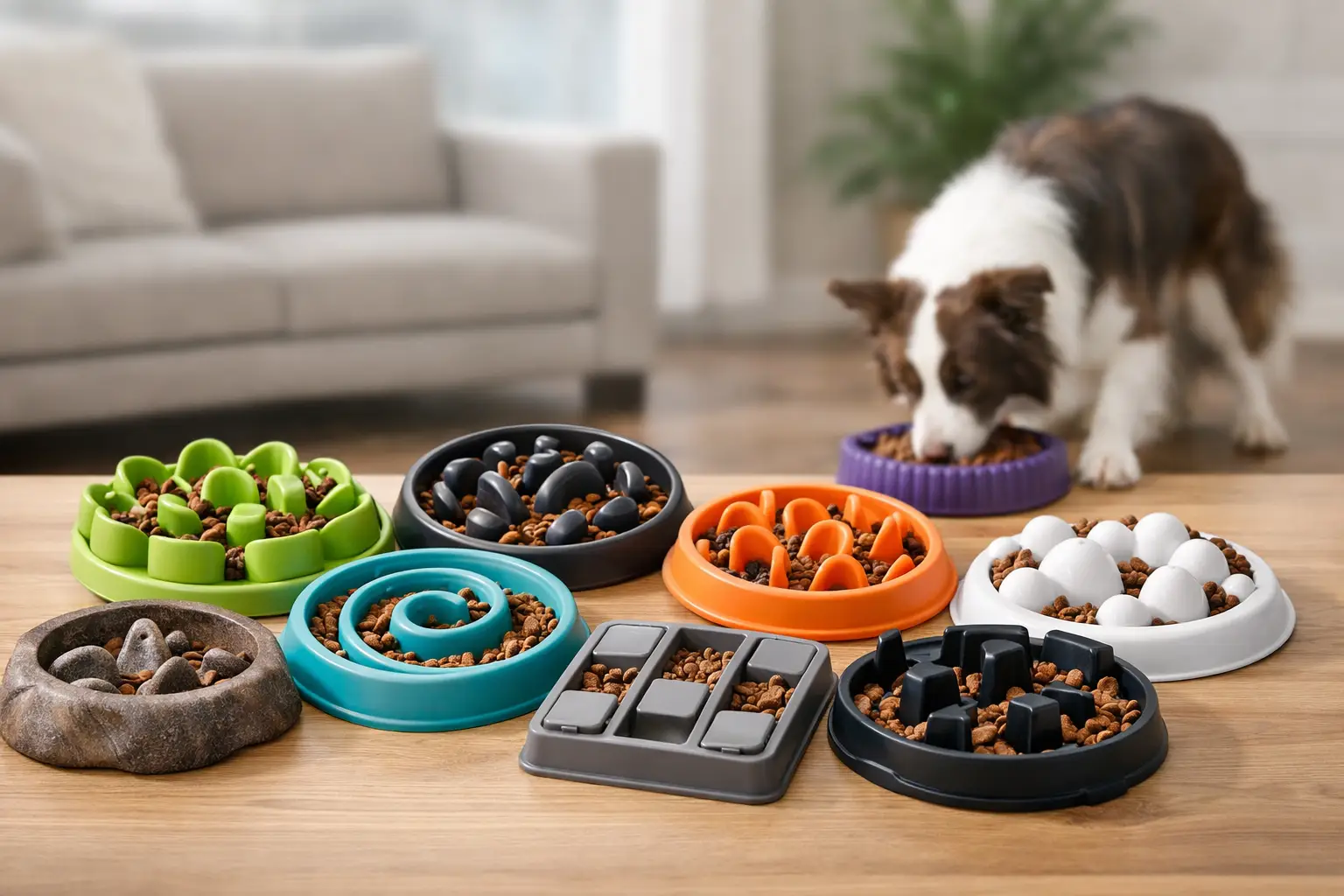
A good slow feeder works by creating barriers, ridges, pockets, or patterns that make a dog work around the food instead of vacuuming it up. For many dogs, that extra effort turns a 20-second meal into a 5 to 10 minute one. That may not sound dramatic, but it can make a real difference in comfort and digestion.
There is a trade-off, though. Some dogs get frustrated by overly difficult designs, especially flat-faced breeds, seniors, or dogs with dental issues. Others quickly learn the pattern and go right back to speed eating. The best option is not the most complicated feeder. It is the one your dog will actually use safely and consistently.
What to look for in the best slow feeders for dogs
Start with shape. Deep grooves and maze-like walls can be great for determined medium and large dogs, but they can be a poor match for short snouts. French Bulldogs, Pugs, and similar breeds often do better with wider, shallower designs that let them access food without rubbing their face raw.
Material matters too. Food-safe plastic is common and lightweight, but some dogs chew it if left unattended. Stainless steel is more durable and easier to sanitize, though options are still more limited. Silicone lick mats are useful for wet food and spreadable treats, but they are not ideal for every full meal unless your dog stays calm and supervised.
Grip is another detail that separates a useful feeder from one that becomes a hockey puck on your kitchen floor. Non-slip bases help a lot, especially for enthusiastic eaters. Dishwasher-safe construction also matters more than many owners expect. If a bowl is annoying to clean, it tends to get replaced fast.
8 best slow feeders for dogs
1. Outward Hound Fun Feeder Slo Bowl
This is the classic starter pick for a reason. It comes in multiple sizes and maze styles, and it works well for kibble-fed dogs that need a moderate challenge. The ridges slow eating without making meals impossibly hard.
It is especially useful for owners who are not sure whether their dog needs a slow feeder or just a small feeding adjustment. The downside is durability. Strong chewers can damage plastic if the bowl is left down after meals.
2. Leashboss Slow Feeder Dog Bowl
If your dog flips lightweight bowls for sport, this heavier stainless steel option is worth a look. It has a raised center design rather than an extreme maze, so it slows eating in a more straightforward way.
This style tends to work well for dogs that need less of a puzzle and more of a pace check. It is also a smart fit for owners who want something easier to clean thoroughly.
3. Neater Pet Brands Slow Feed Bowl
Some dogs do best with a simpler design, especially if they are new to slow feeding. This bowl offers enough structure to interrupt gulping without turning dinner into a logic test.
That makes it a good middle-ground choice for moderate fast eaters, senior dogs, or dogs that get annoyed by highly complex patterns. If your dog is extremely food-driven, though, they may still power through it pretty quickly.
4. JASGOOD Slow Feeder Insert
Not every dog needs a whole new bowl. A silicone insert can turn a regular metal or ceramic bowl into a slower feeder, which is convenient if your dog already likes their current setup.
This is especially helpful for households that feed in elevated stands or use bowls that fit a specific station. Just make sure the suction is strong enough for your bowl surface, because a loose insert can become more frustrating than helpful.
5. Hyper Pet IQ Treat Mat
For dogs that eat wet food, canned food, or soft toppers, a lick mat can be a very effective option. Instead of crunching through ridges, your dog has to lick food from textured grooves, which naturally slows the pace.
This style is also useful for anxious dogs because licking can be calming. The main catch is volume. Many mats are best for snacks, enrichment sessions, or part of a meal rather than a large full serving of kibble.
6. UPSKY Slow Feeder Dog Bowl
This bowl is popular because it balances affordability with a design that genuinely slows down many dogs. The maze is noticeable without being extreme, and the anti-slip base helps keep things steadier on tile or hardwood.
It is a practical choice for everyday feeding, especially in homes with medium-sized dogs. As with most plastic bowls, supervision matters if your dog has a habit of chewing dishware.
7. SodaPup eMat
If you feed a mix of kibble and wet food, or you like freezing meals for longer enrichment, this style stands out. The texture is usually more substantial than ultra-thin lick mats, and many owners use it for yogurt, pumpkin, soaked kibble, or canned food.
It works best for calmer dogs that lick rather than shred. For dogs that grab and run with feeding items, a sturdier bowl is usually safer.
8. A feeder puzzle for highly motivated dogs
For some dogs, a true slow-feeder bowl is not enough. They blast through mazes and then look offended that dinner is over. In those cases, a puzzle feeder with compartments, sliders, or rolling elements may be the better fit.
This approach is great for smart, energetic dogs that benefit from mental work at mealtime. The trade-off is convenience. Puzzle feeders take longer to fill, clean, and supervise, so they are not always the easiest daily option for busy households.
How to match the feeder to your dog
The best slow feeders for dogs are the ones that suit the dog in front of you, not just the highest-rated product on a list. Small dogs often need shallower bowls with tighter overall dimensions so food does not scatter too widely. Large dogs usually need wider bowls with enough weight or grip to stay in place.
If your dog eats wet food, look for broad channels that are easy to clean. Narrow maze corners can trap food and become a hygiene headache. If your dog has a flat face, avoid deep spirals and tall barriers. If your dog is a power chewer, choose sturdier materials and pick the feeder up as soon as the meal is over.
It also helps to consider your dog’s personality. Nervous dogs may prefer a simple slow bowl or lick mat over a complicated feeder. Confident, problem-solving dogs may enjoy a tougher puzzle. There is no one-size-fits-all answer, and that is normal.
A few safety notes that matter
Always introduce a new feeder when you can watch your dog use it. If they paw at it aggressively, chew the edges, or seem unusually stressed, that feeder may not be the right match. Mealtime should be slower, not more frustrating.
Cleaning matters too. Any feeder with grooves, corners, or textured surfaces can collect residue fast, especially with wet food. A dishwasher-safe option saves time, but hand-washing detail areas is still sometimes necessary.
If your dog regularly vomits after eating, seems bloated, or has a history of digestive issues, talk with your veterinarian. A slow feeder can help with speed, but it does not replace medical guidance. The same goes for dogs with dental pain, arthritis, or mobility limitations that may make certain designs uncomfortable.
At Barkley and Paws, we tend to think the best pet products solve a real everyday problem without making life harder for the owner. A good slow feeder does exactly that. It turns mealtime from a frantic gulp-fest into something calmer, safer, and a little more satisfying for both of you. If your dog is inhaling dinner, the right bowl or mat can be a surprisingly small change that makes a very noticeable difference.