

The information in this article is for educational and informational purposes only. It is not intended as veterinary advice, diagnosis, or treatment for any medical or health issue your pet may have.
Always consult a licensed veterinarian before making any decisions about your pet’s health, diet, medications, supplements, training, or care. Never disregard or delay professional veterinary advice based on content from this website.
BarkleyAndPaws.com and its authors assume no responsibility or liability for any errors, omissions, or outcomes resulting from the use of this information.
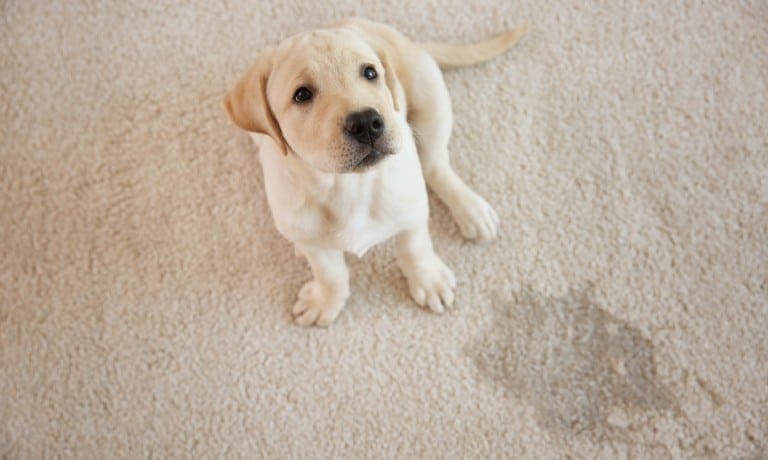
Every pet owner faces a mess on the carpet eventually. Finding a pee puddle, hairball, or regurgitated food inside your house feels frustrating, but you need to know how to handle it correctly to save your floors and other surfaces. This guide outlines what to do when your pet has an accident inside the house.
Don’t Punish Them
You might feel angry, but yelling or rubbing your pet’s nose in the mess creates fear rather than understanding. Animals rarely connect past actions with current punishment, so they just see you as a scary figure. Calmly move them to a separate room or outside while you deal with the situation.
Act Quickly
The faster you address the mess, the better. Urine or vomit penetrates fibers deeply and dries fast, which makes odor removal significantly harder later on. You must grab your cleaning supplies immediately to prevent permanent damage to your flooring or carpet.
Cleaning the Area
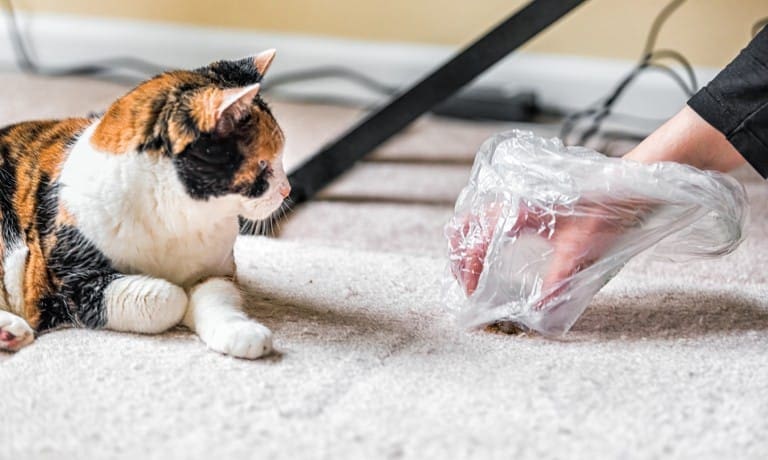
Start by blotting the liquid with paper towels or a rag to absorb moisture before applying any solution. Avoid aggressively scrubbing the spot, as this motion pushes the waste deeper into the carpet pad. You want to lift the mess out rather than grind it into the fibers.
Use an enzymatic cleaner specifically designed for cleaning bodily fluids on upholstery in your home or car to break down the proteins that cause smells. Standard household cleaners often mask odors temporarily with strong perfumes rather than eliminating the source completely. Pets will return to mark the same spot if they can still detect their own scent.
Preventing Future Accidents
Consistent schedules help your pet understand exactly when and where they should go to the bathroom. Take your dog outside frequently, especially after meals or naps, to reinforce good habits and minimize errors. For cats, it’s recommended to have one litter box plus an extra for each cat you have in your home.
Keep a close eye on your pet when they roam the house to catch signs of needing to go. Pacing, sniffing the ground, or circling usually indicate they need to visit the outdoors or litter box immediately. Restrict their access to carpeted areas with baby gates until you fully trust their bladder control.
Young dogs often struggle with bladder control when they feel happy or overwhelmed by new people. You can reduce these incidents by keeping greetings low-key to manage a puppy’s excited peeing upon your return home.
When to Consult a Vet
Sudden changes in bathroom habits often signal an underlying medical issue rather than behavioral regression. Conditions like urinary tract infections, diabetes, or kidney problems make it difficult for pets to control their bladder. Senior pets may also develop cognitive dysfunction or arthritis, which makes getting outside harder.
Anxiety also plays a major role in inappropriate elimination for both cats and dogs. Separation anxiety or fear of loud noises can cause a house-trained animal to lose control indoors. Your veterinarian can discuss medication or behavior modification strategies if stress triggers the problem.
Maintain a Clean Home
Handling accidents properly requires patience, consistency, and the right cleaning supplies. Remember that most bathroom issues resolve quickly with a mixture of veterinary care and reinforced training techniques. Remember these tips for what to do when your pet has an accident and focus on prompt cleaning and training.