

The information in this article is for educational and informational purposes only. It is not intended as veterinary advice, diagnosis, or treatment for any medical or health issue your pet may have.
Always consult a licensed veterinarian before making any decisions about your pet’s health, diet, medications, supplements, training, or care. Never disregard or delay professional veterinary advice based on content from this website.
BarkleyAndPaws.com and its authors assume no responsibility or liability for any errors, omissions, or outcomes resulting from the use of this information.
Many pet owners wonder whether sharing table scraps with their furry companions is safe or harmful. Asking if pets can eat your leftovers is a question that deserves careful attention because what seems harmless to humans can prove dangerous for dogs and cats.
Understanding which foods benefit your pets and which ones pose serious health risks helps you make informed decisions during mealtimes. This guide breaks down the essential information every pet owner should know about sharing leftovers responsibly.
Safe Leftovers Your Pets Can Enjoy
Several human foods provide nutritional benefits for dogs and cats when offered in moderation. Plain cooked chicken, turkey, and lean beef supply excellent protein sources that support muscle health. If you’re cooking the perfect medium-rare steak for yourself, set aside a small, fully cooked, unseasoned portion of lean beef for your pet.
Cooked vegetables like carrots, green beans, and sweet potatoes offer vitamins and fiber without harmful additives. Plain rice and oatmeal settle upset stomachs and provide easy-to-digest carbohydrates.
Remove all bones, seasonings, and excess fat before serving these foods to your pets. Small portions work best; treats and leftovers should never exceed ten percent of your pet’s daily caloric intake.
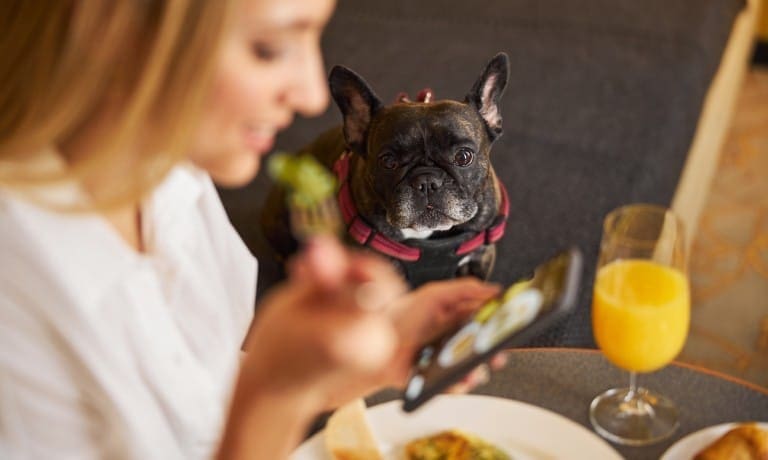
Dangerous Foods That Require Strict Avoidance
Certain common leftovers contain toxic compounds that severely harm dogs and cats. Chocolate contains theobromine, which causes tremors, seizures, and potentially fatal heart problems in pets.
Onions and garlic damage red blood cells and can lead to anemia. Grapes and raisins trigger kidney failure in dogs through unknown mechanisms.
Xylitol, an artificial sweetener found in sugar-free products, causes rapid insulin release and liver damage. Alcohol, caffeine, and foods high in salt or fat also endanger your pet’s health.
Special Considerations for Different Celebrations
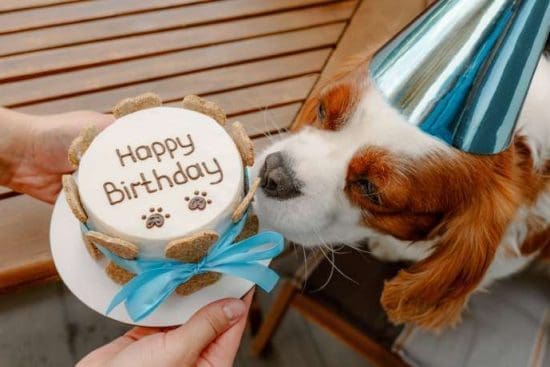
Holiday meals and special occasions tempt pet owners to share rich, seasoned foods with their animals. Thanksgiving turkey skin, Christmas ham, and birthday cakes contain excessive fats, sugars, and spices that upset digestive systems.
When planning birthday party activities your dog will love, skip table scraps and prepare pet-safe treats specifically designed for the celebration. Keep trash bins secured, and educate guests about feeding rules to prevent accidental exposure to harmful foods.
Creating Healthy Feeding Habits
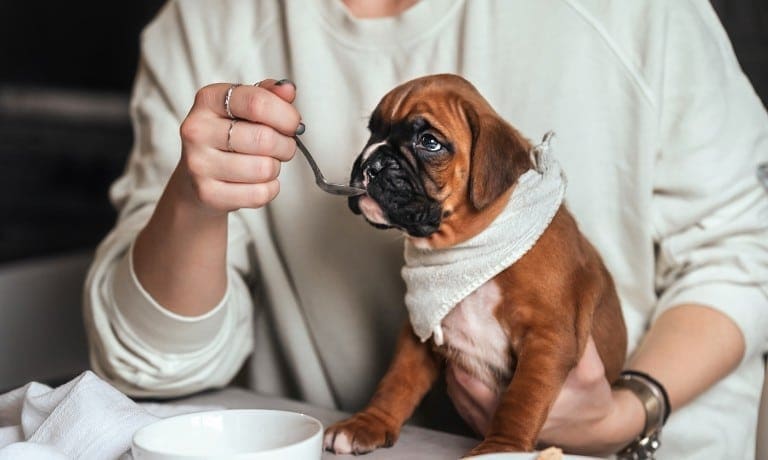
Establishing clear boundaries around human food protects your pet’s long-term health and prevents begging behaviors. Feed pets their regular meals before family dinners to reduce their interest in table scraps. Designate specific pet-safe leftovers as occasional treats rather than regular additions to their diet.
Consult your veterinarian about appropriate human foods for your pet, especially if they have existing health conditions or dietary restrictions. Whether your pet can eat leftovers ultimately depends on personalized guidance tailored to your pet’s nutritional needs.