

The information in this article is for educational and informational purposes only. It is not intended as veterinary advice, diagnosis, or treatment for any medical or health issue your pet may have.
Always consult a licensed veterinarian before making any decisions about your pet’s health, diet, medications, supplements, training, or care. Never disregard or delay professional veterinary advice based on content from this website.
BarkleyAndPaws.com and its authors assume no responsibility or liability for any errors, omissions, or outcomes resulting from the use of this information.
Trail walks give dogs a chance to exercise, get some mental stimulation, and enjoy the fresh air with you. However, the same rocky terrain, rough gravel, and wet ground that they love can also cause injuries. Pet owners who regularly bring their furry friends along on outdoor excursions should know how to protect a dog’s feet while on trails.
Check Trail Conditions Before Heading Out
Hot dirt, sharp stones, and muddy paths are all regular hazards on the trail, and they affect paw pads differently. Summer heat can burn sensitive skin quickly, while icy terrain may crack pads during colder months. A quick trail check helps you avoid dangerous surfaces and unnecessary discomfort.
Meanwhile, wet conditions pose a threat during any kind of weather. In the same way that you need to match your socks and shoes in wet conditions to protect your skin, you’ll need to account for moisture on your dog’s paw pads. Long exposure to moisture softens paw pads and increases irritation. If you can’t keep your dog from running through every creek or hopping in every puddle, bring a towel and thoroughly dry their paws during each break.
Build Paw Strength Gradually
A trip to the local park can seem like a great treat for an apartment dog, but it’s important to remember that dogs that spend most days indoors may struggle on rough terrain. Short walks on natural surfaces help toughen paw pads over time. Grass, dirt, and packed gravel can all provide gentle conditioning before longer hikes.
Along with surface texture changes, sudden distance increases can also lead to aching, worn pads. Gradual exposure gives dogs time to adapt physically without overwhelming their joints or feet.
Use Protective Gear When Needed
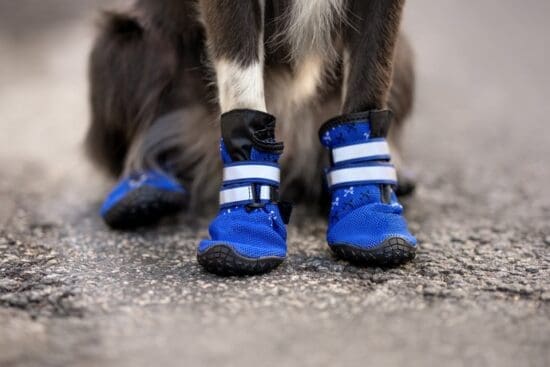
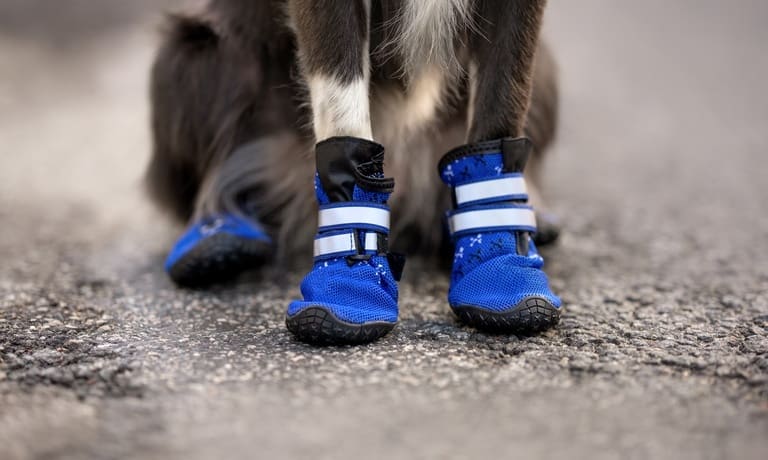
Certain trails require extra protection. Dog booties help shield paws from ice, jagged rocks, and thorn-covered paths. Proper fit is important, though. Loose boots can rub and create blisters.
Paw wax is another tool owners can turn to. This wax creates a protective barrier against dry ground and rough textures.
Test any product or gear you invest in to help your dog before long outings. The experience will be much less stressful for a pet who feels confident in their fur.
Watch for Signs of Paw Trouble
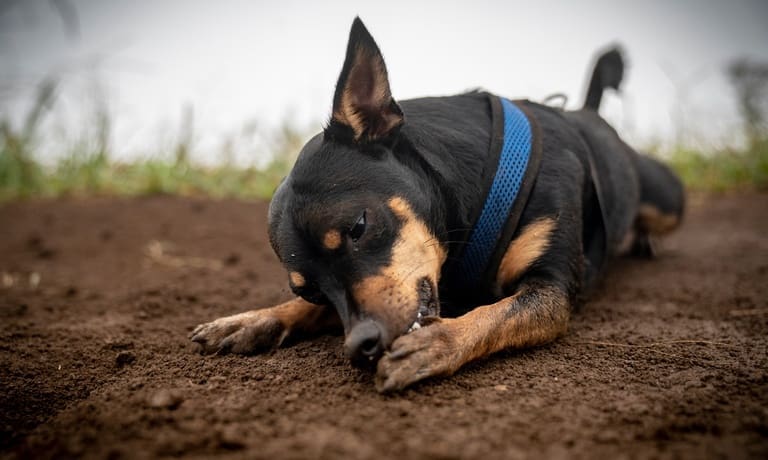
Frequent licking, limping, or slowing down may signal irritation. Small injuries become worse if ignored during long hikes. Regular paw checks allow owners to spot cuts, debris, or cracked pads early.
Nails also play a role in stability. Overgrown nails shift weight awkwardly and increase slipping risks on uneven trails. If your dog seems unsure when walking, consider trimming their nails or bringing them to a groomer for a paw spa day.
Keep Outdoor Adventures Safe and Comfortable
Strong paw care habits make outdoor trips safer in every season. Pet owners who consistently protect their dogs’ paws while on trails help their dogs stay active, confident, and ready for future adventures!