



The information in this article is for educational and informational purposes only. It is not intended as veterinary advice, diagnosis, or treatment for any medical or health issue your pet may have.
Always consult a licensed veterinarian before making any decisions about your pet’s health, diet, medications, supplements, training, or care. Never disregard or delay professional veterinary advice based on content from this website.
BarkleyAndPaws.com and its authors assume no responsibility or liability for any errors, omissions, or outcomes resulting from the use of this information.
That spoonful of canned pumpkin in your pantry can be surprisingly useful when your dog has an upset stomach, but only if you use the right kind and the right amount. So, can dogs eat pumpkin? Yes – plain pumpkin is generally safe for dogs and can even be helpful for digestion, but there are a few details that matter more than most pet owners realize.
Pumpkin has earned its good reputation because it is low in calories, rich in moisture, and contains fiber along with nutrients like vitamin A and potassium. For many dogs, that makes it a practical add-on rather than a trendy one. The catch is that not every pumpkin product is dog-friendly, and giving too much can backfire fast.
Can dogs eat pumpkin safely?
In most cases, dogs can eat pumpkin safely when it is plain, cooked, and served in small portions. Plain canned pumpkin is often the easiest option because it is soft, convenient, and consistent. Fresh cooked pumpkin also works well as long as it is free of oils, butter, salt, sugar, and seasoning.
What you want to avoid is pumpkin pie filling. It may look similar on the shelf, but it usually contains added sugar and spices that do not belong in your dog’s bowl. Some spice blends may include ingredients that can upset the stomach, and sugar-heavy products are not a smart choice for everyday feeding.
The form matters just as much as the ingredient. Pumpkin seeds can sometimes be fed if they are plain and prepared properly, but they are not the best starting point for most owners. Raw pumpkin flesh can be harder to digest than cooked pumpkin, and the rind is too tough for many dogs.
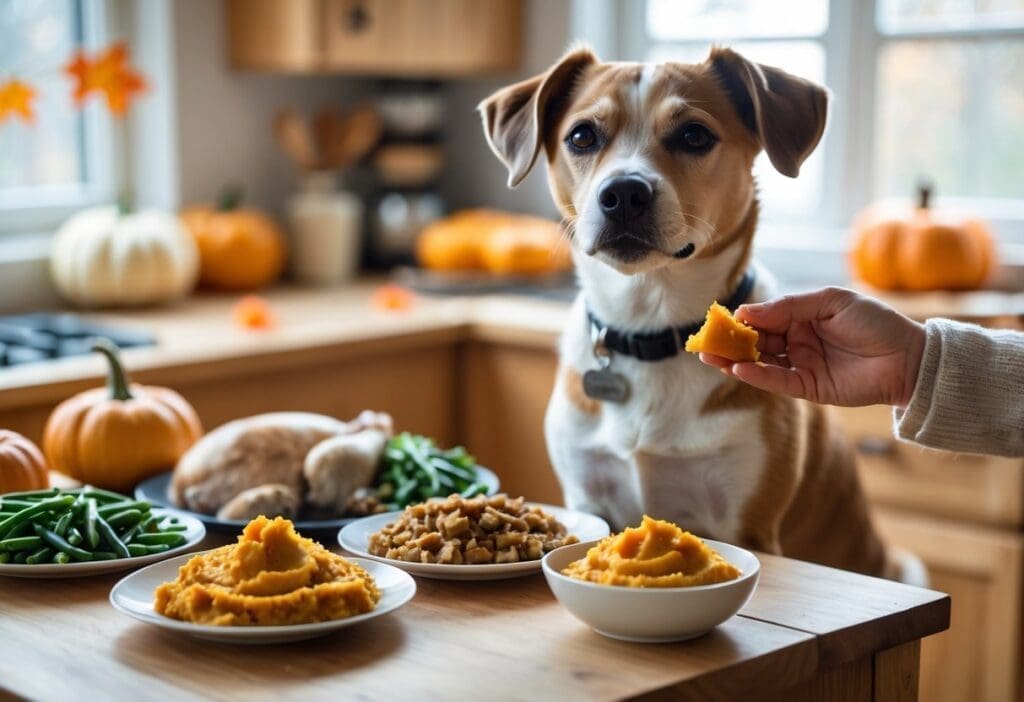
Why pumpkin can help some dogs
Pumpkin is best known for fiber, and that is why so many owners reach for it when bathroom habits change. Fiber can help support more regular stools by absorbing excess water in some cases of diarrhea while also adding bulk that may help mild constipation. That does not mean pumpkin is a cure-all. It means it can be a gentle dietary tool when the issue is minor and your dog is otherwise acting normal.
It also tends to be well tolerated by many dogs, especially when introduced slowly. Because plain pumpkin is fairly bland, it can fit into a simple feeding plan during mild digestive upset. Some owners mix a small amount into regular food for a few days and see improvement in stool quality.
There is also a satiety angle. For dogs who always seem hungry, a little pumpkin can add volume to meals without piling on many calories. That can be useful in weight-management plans, although it should not replace a balanced diet or a veterinarian’s advice.
How much pumpkin can dogs eat?
This is where moderation really matters. More is not better. Too much pumpkin can lead to loose stool, gas, or extra bathroom trips, which is not exactly the result most owners were hoping for.
A small dog may only need 1 to 2 teaspoons mixed into food. Medium dogs can often handle 1 to 2 tablespoons. Large dogs may do well with 2 to 4 tablespoons. Those are general ranges, not hard rules. Your dog’s size, normal diet, and digestive sensitivity all affect what works.
If your dog has never had pumpkin before, start lower than you think you need. Give a small amount and watch for changes over the next day. If stools become softer or your dog seems uncomfortable, cut back or stop.
Pumpkin should usually be treated as a topper, not a meal replacement. Extras like this should make up only a small portion of the total diet so your dog still gets complete and balanced nutrition from their regular food.
The best type of pumpkin for dogs
If you are standing in the grocery aisle wondering what to buy, the simplest answer is plain canned pumpkin with no added ingredients. Check the label carefully. It should say pumpkin, not pumpkin pie mix or pumpkin pie filling.
Fresh pumpkin is also fine if you cook it until soft and serve it plain. Steaming or baking works well. Skip butter, salt, sweeteners, and seasoning. Let it cool before offering it to your dog.
Pumpkin puree can be a good option too, but only if it is truly plain. Labels can be misleading, so take the extra few seconds to confirm there are no extras hiding in the ingredient list.
Frozen pumpkin in small portions can work for dogs that enjoy cold treats, especially during warm weather. Just remember that frozen food should still be introduced slowly, and icy chunks are not ideal for dogs that gulp.
When pumpkin is not a good idea
Pumpkin can be helpful, but it is not the right move in every situation. If your dog is vomiting repeatedly, has bloody diarrhea, seems lethargic, refuses water, or has a swollen abdomen, skip the home remedy approach and call your veterinarian. Digestive symptoms can point to anything from parasites to dietary indiscretion to an intestinal blockage.
Constipation is another area where owners need some caution. Mild cases may improve with a little pumpkin, but not all constipation responds to extra fiber. In some dogs, especially those who are dehydrated, fiber without enough water can make things worse.
Dogs with diabetes, chronic gastrointestinal disease, or prescription diets may also need a more tailored plan. Pumpkin is food, but it still changes what is going into the bowl. If your dog has a medical condition, it is worth checking with your vet before making it a regular habit.
Can dogs eat pumpkin every day?
Some can, but daily use depends on why you are giving it and how your dog responds. A small spoonful as an occasional topper is different from adding several tablespoons to every meal long term.
If your dog enjoys pumpkin and it helps with stool consistency, your veterinarian may be comfortable with regular use in modest amounts. Still, daily extras should be intentional. If you find yourself relying on pumpkin all the time just to keep digestion normal, that is a sign to look more closely at the base diet, treat habits, hydration, stress, and possible health issues.
For healthy dogs eating balanced food, pumpkin is best thought of as a useful add-on rather than a nutritional cornerstone.
Can puppies eat pumpkin?
Yes, puppies can have small amounts of plain pumpkin, but they have more delicate digestive systems than adult dogs. That means the margin for error is smaller. Start with a tiny amount mixed into food and monitor closely.
Because puppies can become dehydrated more quickly, diarrhea or constipation should never be brushed off for too long. If a young puppy has ongoing digestive symptoms, call your vet sooner rather than later. Pumpkin may support mild issues, but it should not delay proper care.
A few real-world serving ideas
For most owners, the easiest method is mixing plain pumpkin into regular dog food. You can also freeze small pumpkin portions in a silicone tray for quick use later. Some people stuff a little pumpkin into a food toy, which can make snack time last longer and feel more rewarding.
If your dog is picky, try stirring pumpkin into wet food rather than dry kibble alone. Texture can make a difference. If your dog turns up their nose, do not force it. Plenty of dogs like pumpkin, but not all of them do.
One practical trick is portioning canned pumpkin after opening so it does not go to waste. Refrigerate what you will use soon and freeze the rest in small amounts. That way you are not opening a large can for a teaspoon-sized serving.
The bottom line on can dogs eat pumpkin
Yes, dogs can eat pumpkin, and for many of them it is a safe, simple addition that may help with mild digestive issues. The safest choice is plain canned pumpkin or plain cooked pumpkin, served in small amounts and introduced gradually. Avoid pumpkin pie filling, avoid heavy seasoning, and do not treat pumpkin as a substitute for veterinary care when symptoms are severe or persistent.
If your dog has a sensitive stomach, pumpkin can be one of those small pantry staples that earns its shelf space. Just use it thoughtfully, pay attention to your dog’s response, and let your vet guide the bigger nutrition questions when something seems off. A simple food can be helpful, but the best results usually come from matching the remedy to the dog in front of you.