

The information in this article is for educational and informational purposes only. It is not intended as veterinary advice, diagnosis, or treatment for any medical or health issue your pet may have.
Always consult a licensed veterinarian before making any decisions about your pet’s health, diet, medications, supplements, training, or care. Never disregard or delay professional veterinary advice based on content from this website.
BarkleyAndPaws.com and its authors assume no responsibility or liability for any errors, omissions, or outcomes resulting from the use of this information.
Bringing your dog home after surgery can feel a little daunting. You want to provide the best possible care, and a huge part of that is creating a safe, comfortable space for them to rest and heal. A dedicated recovery area minimizes stress and helps prevent post-op complications. Here’s how you can set up a recovery area for your dog after surgery.
Choose a Quiet Location
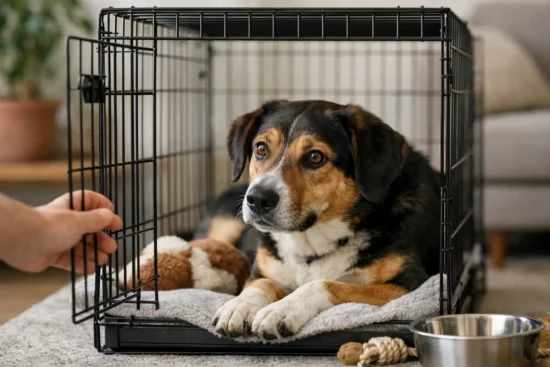
The first step is to pick the right spot. Select a quiet corner of your home with minimal foot traffic and noise. The living room might be your family’s hub, but the constant activity could overstimulate or stress your recovering dog. A spare bedroom or a peaceful corner of your own bedroom often works well. This area provides your dog with a tranquil environment where they can sleep uninterrupted, which is crucial for healing.
Provide a Comfortable Bed
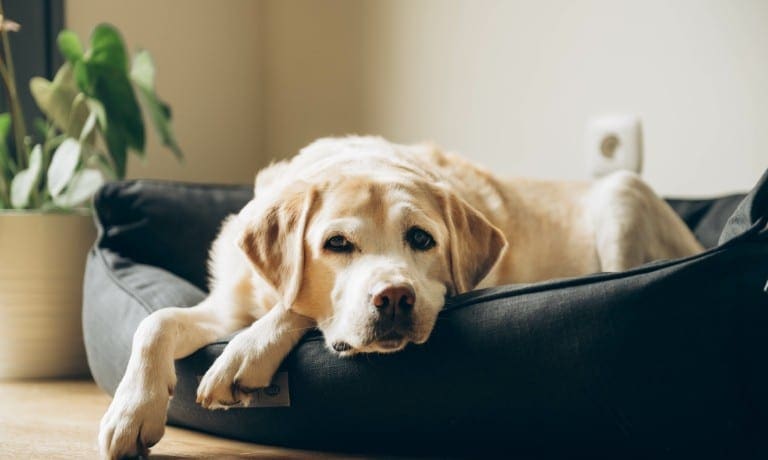
Your dog’s regular bed might not be sufficient after an operation. You will want to give them soft, supportive, and clean bedding. Orthopedic dog beds are a great option, as they offer extra support for sore joints and muscles. Layer the bed with old blankets or towels that you can easily swap out and wash. Keeping the bedding clean is important for preventing infection, especially around the incision site.
Keep Essentials Close
Place your dog’s food and water bowls right next to their bed. After surgery, your dog will likely be groggy and sore, so making them walk across the house for a drink is not ideal. Having everything within a few steps makes it easy for them to stay hydrated and eat without much effort. You should also keep any prescribed medications nearby so you can administer them on schedule without a fuss.
Block Access to Hazards
Your dog might not have their usual coordination or energy, making everyday objects potential hazards. Use baby gates or close doors to block off stairs that pose a significant fall risk. Scan the room and remove any small objects, electrical cords, or anything else your dog might chew on or trip over. Limiting their ability to jump on furniture is also a good idea to protect their stitches.
Maintain a Consistent Temperature
A comfortable climate is key to a smooth recovery. Keep the room at a stable, moderate temperature—not too hot and not too cold. Dogs can have trouble regulating their body temperature after anesthesia. Provide a light blanket they can snuggle under if they get chilled, or use a fan for gentle air circulation if the room feels stuffy.
Monitor and Adjust the Space
As you prepare your dog for surgery at the vet, you get them ready for the procedure itself, but the recovery environment is just as important. Once your dog is home, watch their behavior closely. Do they seem restless? Are they trying to get to another part of the house? You might need to make small adjustments to the space to meet their needs. Your attentiveness will help them feel secure and comfortable throughout their recovery period.
Creating a dedicated recovery space is one of the most loving things you can do for your dog after their procedure. With a little preparation, you can create a safe, soothing environment that promotes a quick, complication-free healing process.