

The information in this article is for educational and informational purposes only. It is not intended as veterinary advice, diagnosis, or treatment for any medical or health issue your pet may have.
Always consult a licensed veterinarian before making any decisions about your pet’s health, diet, medications, supplements, training, or care. Never disregard or delay professional veterinary advice based on content from this website.
BarkleyAndPaws.com and its authors assume no responsibility or liability for any errors, omissions, or outcomes resulting from the use of this information.
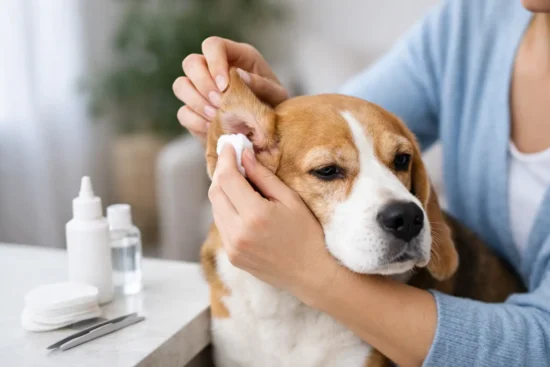
If you’re wondering why dog ear infections keep coming back, you’re certainly not alone. Many pet owners become frustrated when an infection appears to improve after treatment, only for the symptoms to return weeks or even months later. Your dog may start scratching their ears or develop a noticeable odor again. In many cases, medication successfully treats the active infection, but recurring ear problems often signal an underlying cause has not yet been fully addressed.
Allergies Often Start the Cycle
Allergies are one of the most common reasons ear infections keep returning. Even if your dog’s ears seem to be the only affected area, food sensitivities or environmental allergens can trigger inflammation inside the ear canal. That irritation changes the ear’s natural balance, leading to excess wax and discomfort.
When your dog feels itchy, they scratch, which creates even more irritation. Treatment may temporarily resolve the infection, but unless you address the allergy itself, the cycle often continues.
Moisture Creates a Better Place for Trouble
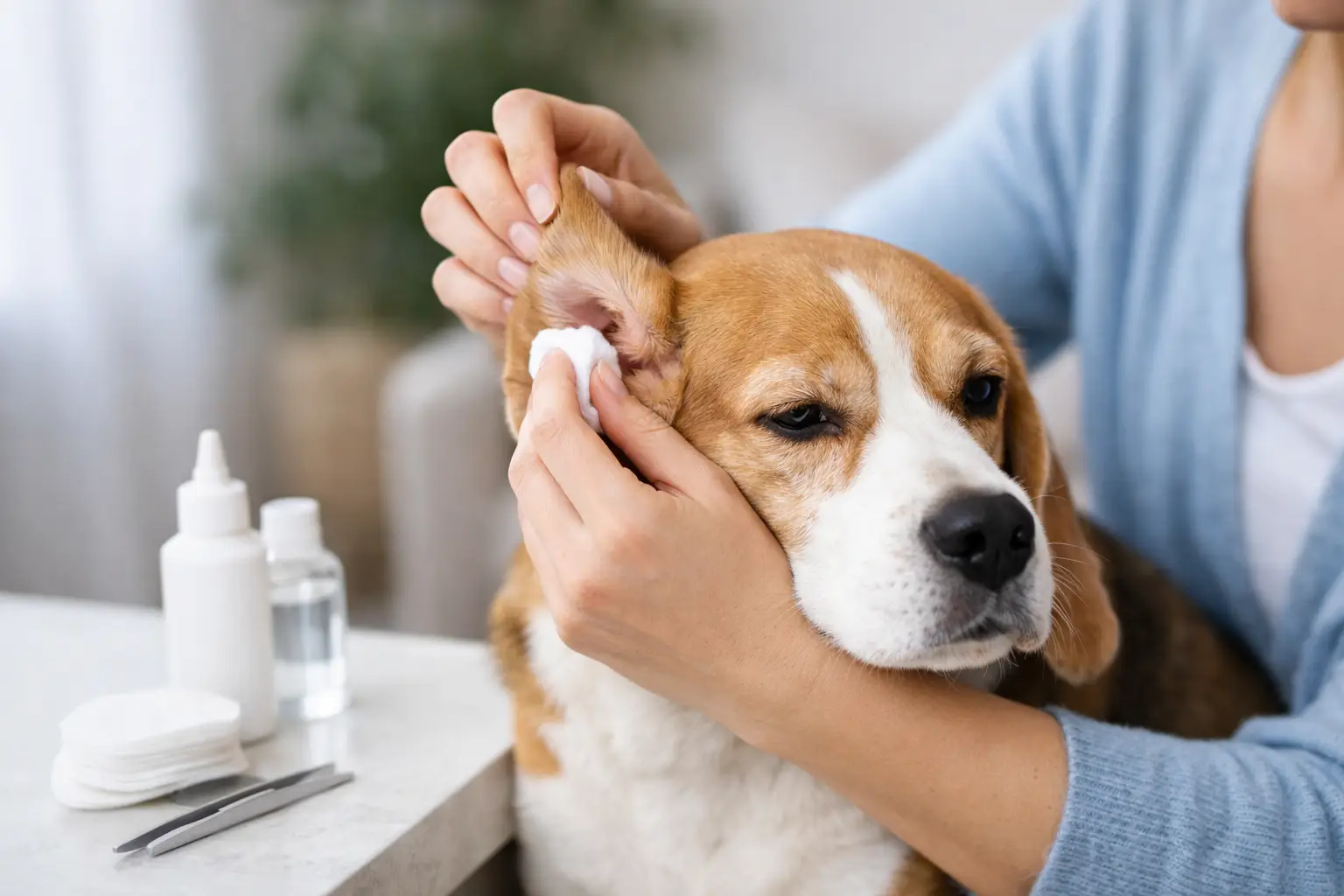
Moisture can also increase the likelihood of recurring ear infections. Dogs that swim frequently or have floppy ears often retain more moisture inside their ear canals. Warm, damp conditions create an ideal environment for yeast and bacteria to grow.
You might feel tempted to clean your dog’s ears more often when problems arise, but overcleaning can sometimes make things worse. Your veterinarian can recommend a cleaning routine that keeps your dog’s ears healthy without causing additional irritation.
The First Treatment May Not Go Far Enough
Sometimes an ear infection appears to improve before it has completely cleared. Once the redness fades or the odor disappears, it’s easy to assume the problem is gone. However, lingering bacteria or trapped debris may still be present deeper in the ear canal.
That’s why follow-up appointments matter. Your veterinarian may want to recheck the ears to confirm the infection has fully resolved. In many recurring cases, successful treatment requires more than a single round of medication.
Small Details During Veterinary Care
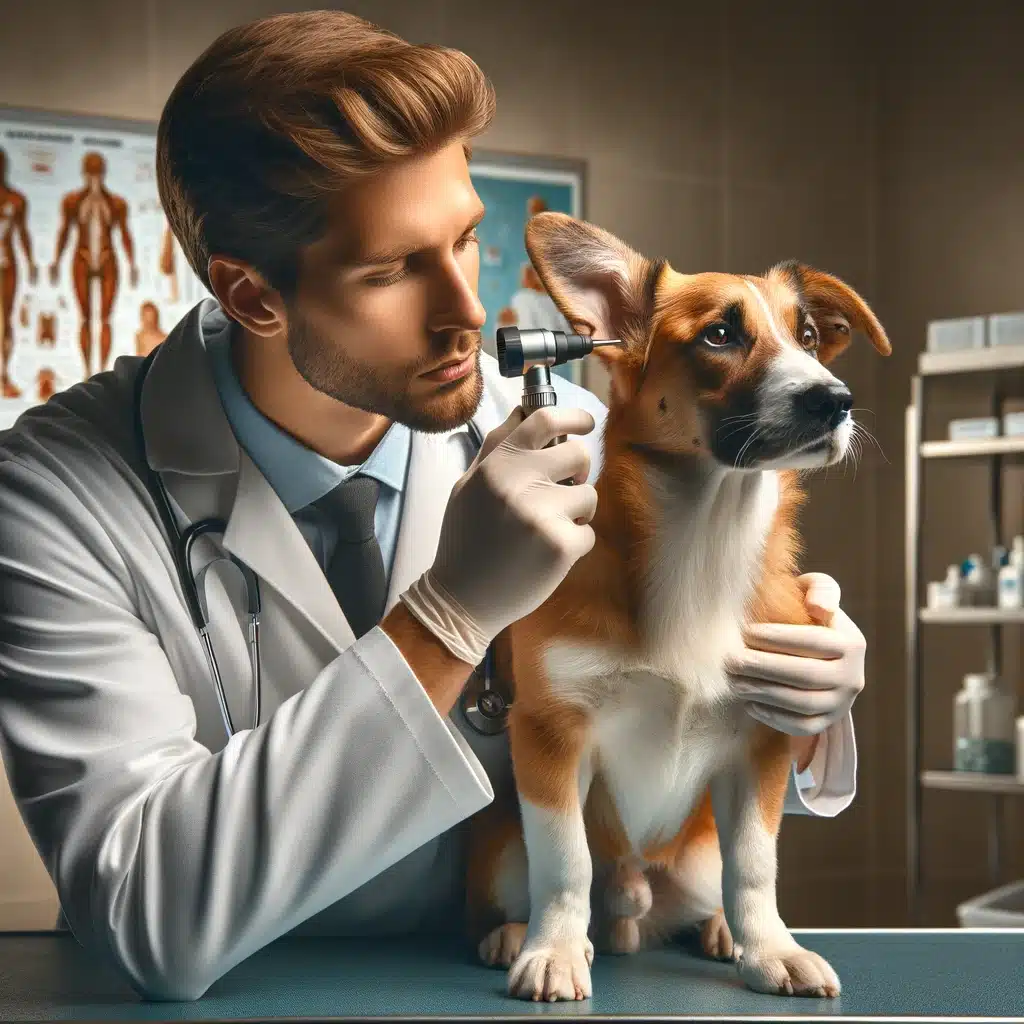
When your dog’s ears are painful or swollen, your veterinarian relies on careful examination techniques and specialized tools to identify the cause. Precision plays an important role in diagnosing recurring infections, as even small details can reveal why the problem keeps recurring.
For example, in other areas of animal medicine, the use of thumb forceps in veterinary surgery helps professionals handle delicate tissues with greater control. Proper sampling and thorough evaluation help your veterinarian uncover underlying issues that may otherwise go unnoticed.
Long-Term Care Helps Break the Pattern
The key to preventing recurring ear infections is treating the underlying cause rather than focusing only on the infection itself. Your veterinarian may evaluate factors such as allergies, grooming habits, and previous treatment history.
You also play an important role in your dog’s long-term ear health. Once you understand why dog ear infections keep coming back, you can work with your veterinarian to create a plan that helps keep your dog comfortable and reduces future flare-ups.