

The information in this article is for educational and informational purposes only. It is not intended as veterinary advice, diagnosis, or treatment for any medical or health issue your pet may have.
Always consult a licensed veterinarian before making any decisions about your pet’s health, diet, medications, supplements, training, or care. Never disregard or delay professional veterinary advice based on content from this website.
BarkleyAndPaws.com and its authors assume no responsibility or liability for any errors, omissions, or outcomes resulting from the use of this information.
A studio apartment can be a wonderful place to share with an animal, but the best small pets for apartments are not always the ones sold as “easy.” A tiny cage, tank, or carrier does not equal tiny needs. The right match depends on your lease rules, daily schedule, budget for veterinary care, tolerance for noise and mess, and willingness to create an enriching home for an animal that cannot simply go outside.
Before bringing any pet home, confirm your building’s rules in writing. Some leases restrict birds, rabbits, reptiles, aquariums, or the number of animals allowed. Also consider where the habitat will sit: away from direct sun, kitchen fumes, drafty windows, loud speakers, and the reach of resident dogs or cats.
1. Adult Cats: Best for Many Apartment Lifestyles
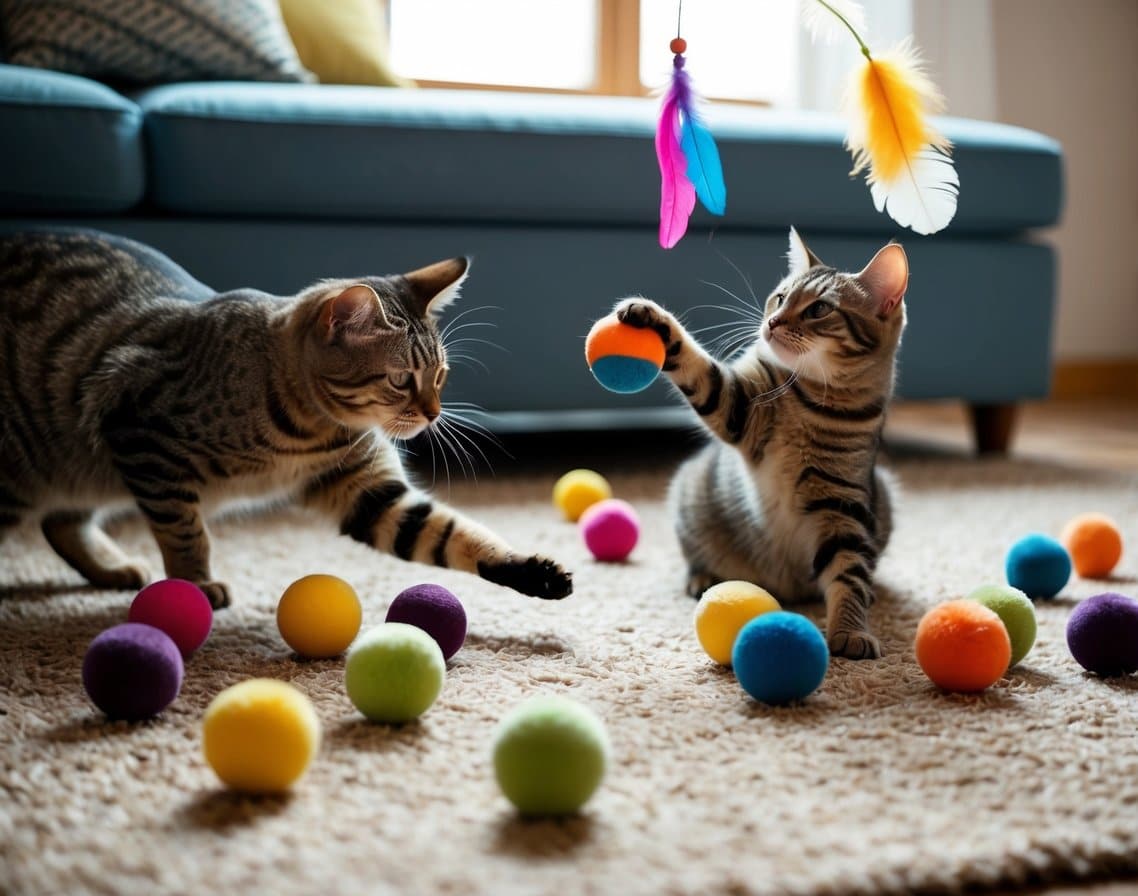
An adult cat is not usually what people picture when they search for small pets, yet a calm, indoor adult cat can be one of the most practical apartment companions. Cats use vertical space beautifully, tend to be quieter than dogs, and can be very content in a smaller home when they have a clean litter box, scratching surfaces, climbing opportunities, play sessions, and a predictable routine.
The word adult matters. Kittens are adorable, but they are energetic, curious, and often active when you are trying to sleep. An adult cat from a rescue may already have a known temperament and a history of living indoors. Ask about litter box habits, comfort with visitors, vocalization, and whether the cat prefers to be the only pet.
Cats still require a meaningful commitment. Plan for annual veterinary visits, quality food, litter, dental care, and emergency expenses. A screened window perch, a sturdy cat tree, and short interactive play sessions can make a modest apartment feel much larger from your cat’s perspective.
2. Guinea Pigs: Best for Social, Hands-On Owners
Guinea pigs are gentle, expressive little animals with lots of personality. They are especially rewarding for people who want a pet they can observe, feed, and gradually bond with every day. Their happy squeaks at mealtime are charming, although apartment dwellers with thin walls should know they can be surprisingly vocal when they hear a refrigerator door open.
Guinea pigs should not live alone. They are social animals and generally do best in compatible pairs or small groups. That means their enclosure needs to be much larger than many pet-store starter cages. A roomy, well-ventilated habitat with safe bedding, a hiding place for each guinea pig, unlimited grass hay, fresh vegetables, and regular floor time is essential.
They are a good apartment fit when you have room for their enclosure and can clean it frequently. Their care is steady rather than complicated, but they need daily attention and access to an exotic-animal veterinarian. Because guinea pigs cannot make their own vitamin C, their diet needs thoughtful planning rather than a bowl of pellets alone.
3. Rats: Best for Smart, Interactive Companionship
Well-socialized pet rats are often a happy surprise for first-time small-pet owners. They are intelligent, affectionate, and highly trainable. Many enjoy learning simple cues, exploring a safe play area, riding on a shoulder, or relaxing in a hoodie pocket. For someone who wants more interaction than a hamster typically offers, rats can be an exceptional choice.
Like guinea pigs, rats need company. Keep at least two compatible rats of the same sex or a properly altered pair, and provide a tall, secure cage with platforms, hammocks, nesting material, chew-safe items, and daily supervised exercise outside the cage. Their enclosure requires regular spot-cleaning and weekly deep cleaning to manage odor.
The trade-off is lifespan. Rats typically live only a few years, and health problems can arise quickly. They also need a veterinarian who is comfortable treating small mammals. Avoid making an impulse decision based on their low purchase price. Their daily care, quality habitat, and medical needs deserve the same planning you would give a larger pet.
4. Hamsters: Best for Quiet, Independent Households
A hamster can work well in a quiet apartment, particularly for an owner who enjoys observing natural behaviors more than frequent cuddling. Most hamsters are solitary and should be housed alone, which makes their social setup simpler than that of guinea pigs or rats. They are compact, usually quiet, and do not need walks outdoors.
However, hamsters are often nocturnal or most active at dawn and dusk. A running wheel can be noisy enough to disturb light sleepers, especially in a studio. Choose a solid-surface wheel, position the habitat away from your bed, and expect some nighttime rustling.
Hamsters need far more floor space and digging depth than many starter enclosures provide. A spacious habitat with deep bedding, tunnels, chews, a sand bath, and varied food scatterings supports their instincts to burrow and forage. Handle them gently and on their schedule. Waking a sleeping hamster for a child’s playtime is stressful for the animal and increases the chance of a defensive bite.
5. A Single Betta Fish: Best for Limited Floor Space
For an apartment with very little open floor space, a thoughtfully maintained aquarium can offer companionship without fur, litter, or cage bedding. A betta fish is colorful, engaging to watch, and suitable for a single-fish setup. But a fishbowl is not appropriate housing. Bettas need a properly sized aquarium with filtration, a heater, a secure lid, and a fully cycled environment before the fish arrives.
Aquariums are quiet, but they are not maintenance-free. You will need to test water parameters, perform partial water changes, clean carefully, and monitor temperature. A leak can also be a serious rental issue, so place the aquarium on a level, purpose-built stand and check your lease for tank-size restrictions.
A betta is usually a better choice for someone who enjoys a calming routine and can learn basic water chemistry. If you travel often or want a pet you can handle, another option may suit you better.
6. Leopard Geckos: Best for Calm Observation
Leopard geckos are quiet, compact reptiles that can be a good fit for adults and older children who appreciate animal care without expecting a cuddly pet. They do not need a large room, but they do need a carefully controlled habitat with a warm side, a cooler side, appropriate hides, safe substrate, and species-specific lighting and heating.
Their biggest apartment advantage is low noise. Their biggest responsibility is setup. Reptiles depend entirely on their keeper to provide the right temperatures and husbandry conditions. A poorly equipped enclosure can lead to stress, poor appetite, shedding trouble, and illness.
Leopard geckos can live well over a decade, so they are not a short-term novelty. Locate a reptile-savvy veterinarian before adoption, learn how to safely provide feeder insects, and make sure you are comfortable with a diet that includes live bugs. For the right household, their calm presence and fascinating behavior are deeply rewarding.
7. Rabbits: Best Only With Real Space and Commitment
Rabbits are often marketed as starter pets, but they are better described as sensitive, social companions with substantial needs. They can be litter trained, affectionate, and suitable for apartment life, yet they should not be confined to a small cage. A rabbit needs a generously sized, rabbit-proofed exercise area and several hours each day to move, explore, and socialize.
They also chew. Baseboards, cords, rugs, furniture legs, and houseplants may all be tempting, so rabbit-proofing is nonnegotiable. Their diet must center on unlimited grass hay, with carefully measured pellets and fresh greens. Digestive emergencies can become serious quickly, making access to an experienced rabbit veterinarian essential.
A bonded pair can be wonderful, but bonding rabbits safely takes knowledge and patience. Choose a rabbit only if you can offer the space, daily interaction, and long-term care this intelligent animal deserves.
Small Pets That May Not Suit Your Apartment
Some animals are small in body but difficult in shared housing. Parrots and parakeets can be loud, messy, and socially demanding. Ferrets are playful and affectionate, but their odor, escape skills, and high-energy needs are not ideal for every rental. Sugar gliders have specialized care requirements and can be noisy at night. Even a small dog may be a poor fit if your building has strict noise rules or you cannot provide walks, training, and companionship.
The goal is not to find the pet that takes up the least space. It is to choose an animal whose normal behavior can thrive in the space and rhythm of your life. Visit a rescue or reputable small-animal organization, ask detailed care questions, and set up the habitat before adoption. The best apartment pet is the one you can care for thoughtfully on ordinary Tuesdays, not just during the exciting first week home.