


The information in this article is for educational and informational purposes only. It is not intended as veterinary advice, diagnosis, or treatment for any medical or health issue your pet may have.
Always consult a licensed veterinarian before making any decisions about your pet’s health, diet, medications, supplements, training, or care. Never disregard or delay professional veterinary advice based on content from this website.
BarkleyAndPaws.com and its authors assume no responsibility or liability for any errors, omissions, or outcomes resulting from the use of this information.
Many dog owners buy a harness hoping it will solve pulling, improve control, or keep their dog safer on walks, only to end up with discomfort, poor fit, or quick wear. Not all harnesses work the same, and the wrong choice can create new problems instead of fixing old ones. Below, we’ve detailed several tips for buying a dog harness to help narrow your search.
Proper Fit and Adjustability
Fit determines whether a harness stays secure or causes ongoing issues during daily walks, so accurate measurement is essential. Measure your dog’s chest and neck rather than relying on weight estimates, since body shape varies widely by breed. A proper fit allows two fingers between the strap and body and prevents shifting, twisting, or escape while walking.
Moreover, options such as adjustable straps allow the harness to grow with puppies or adapt as adult dogs change size while maintaining stability. That said, if your dog grows a lot, you’ll need to replace their harness to prevent it from digging into their sides or armpit area.

All Weather Mesh, Reflective, No Pull Harness for Dogs, Cats - Secure with Hook & Loop Fastener, Buckle, Double D-Rings - Moss Green
Comfort and Padding
Comfort is another key factor to consider when buying a dog harness, as it affects whether your dog will wear it. Padding around the chest and underarms reduces rubbing and pressure points, especially for short-haired breeds with less natural protection.
Moreover, breathable materials help regulate body temperature and limit moisture buildup on longer walks. Smooth edges and covered seams protect skin and fur from irritation, supporting consistent and stress-free use.
Buckle Strength and Safety
The buckle secures the entire harness, so it must withstand pulling, sudden stops, and long-term wear. Pet harnesses are among the most common uses for plastic buckles because they’re comfortable for our furry friends and highly durable. Strong buckles close firmly, resist cracking, and hold shape under tension. Reinforced designs and thoughtful placement also help prevent chewing or accidental release during movement.
Durability and Daily Use
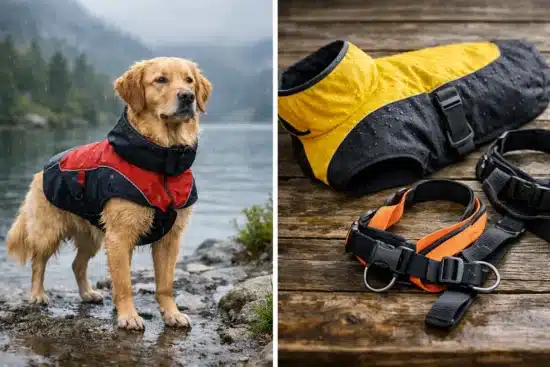
A harness should match your dog’s lifestyle and movement, since daily walks, training sessions, and outdoor adventures place different demands on materials. Strong stitching, abrasion-resistant fabric, and weather tolerance help the harness hold up over time, especially for active dogs. Easy cleaning is also important for dogs who spend time outdoors, as dirt and moisture can break down materials more quickly. A harness designed for your routine performs more reliably and lasts longer.
Before purchasing, ensure you carefully evaluate the following essentials:
- Secure buckle construction and placement
- Accurate sizing with multiple adjustment points
- Padding and breathable materials
- Strong leash attachment hardware
- Durability matched to activity level
Evaluating all of these areas helps ensure the harness performs reliably in real-world conditions rather than failing under daily use.
Leash Attachment and Control Options
Leash attachment placement directly affects how a dog moves and responds during walks. Back-clip harnesses work best for dogs that already walk calmly, while front-clip harnesses provide added control by redirecting pulling toward the handler. Additionally, harnesses with dual attachment points offer greater flexibility during training and allow owners to adjust control as behavior improves.
Taking time to assess your dog’s walking habits and physical needs makes it easier to find the right harness for your furry friend. Observing how your dog moves, pulls, or reacts on walks can help determine which features to prioritize.