

The information in this article is for educational and informational purposes only. It is not intended as veterinary advice, diagnosis, or treatment for any medical or health issue your pet may have.
Always consult a licensed veterinarian before making any decisions about your pet’s health, diet, medications, supplements, training, or care. Never disregard or delay professional veterinary advice based on content from this website.
BarkleyAndPaws.com and its authors assume no responsibility or liability for any errors, omissions, or outcomes resulting from the use of this information.
Many people dream of downsizing and embracing the tiny home lifestyle, but pet owners often hesitate. They worry their companions will feel cramped or stressed in reduced quarters, and it’s a valid concern. However, depending on your pet’s needs, you can manage it with thoughtful preparation. It’s possible to create a safe, enriching environment for your dog or cat with limited square footage. You just need to adapt the space to fit their natural behaviors rather than forcing them to conform to a smaller footprint. Let’s go over the logistics of living in a tiny home with pets so you can decide if it’s right for you.
Create Vertical Territory
This one is for the cat parents. Our feline friends naturally seek high vantage points to survey their surroundings. In a traditional house, they might use a tall bookshelf or the top of the fridge. But in a tiny home, you must intentionally create these vertical opportunities to maximize the available area. One way to do this is to install shelving or carpeted walkways along the walls. This creates a “superhighway” for your cat to navigate the space. Window perches also provide hours of entertainment, allowing them to watch the world outside without getting underfoot.
Incorporate Built-In Features
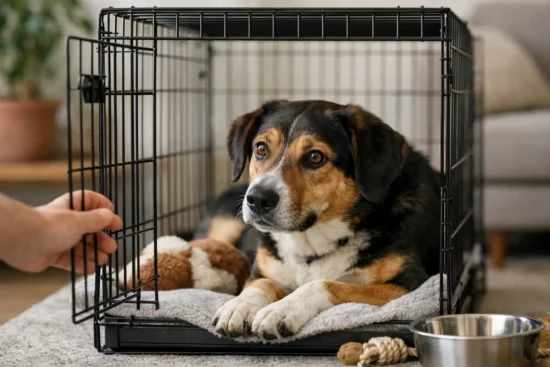
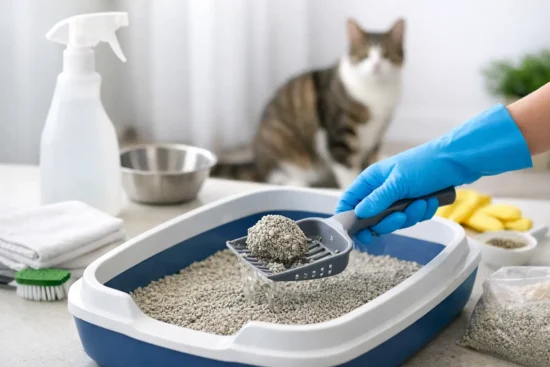
Standard pet furniture often takes up too much room in a compact dwelling. Integrating beds and feeding stations directly into the structure saves valuable inches. Look for a builder who can modify the layout. If you’re going the shipping container route, find a reliable permanent shipping container partner who can customize the shell for your pet’s needs. For example, you could add a built-in kennel under a loft or a hidden litter box cabinet with outside ventilation.
Organize Supplies Efficiently
Clutter accumulates quickly when you live small. You need a designated place for every toy, treat, and tool. Buying in bulk saves money, but storing a 40-pound bag of food presents a challenge. Transfer food into stackable, airtight bins that fit inside cupboards or under sofas to save space.
Placement also matters. Keep these items near the entrance to make taking daily walks easy:
- Leashes, harnesses, and collars
- Biodegradable waste bags
- Microfiber towels for wet paws
- High-value training treats
- A first-aid kit
Prioritize Hygiene and Ventilation
Pet odors and dander become noticeable much faster in a smaller volume of air, so you must establish a strict cleaning routine. Groom your pets outdoors whenever possible to keep loose fur out of the living area. High-quality air purifiers can trap allergens, while strategic window placement ensures fresh air circulates effectively.
Sharing a compact space strengthens the bond between you and your animal companions, but it requires patience and a commitment to organization. Address the logistics of living in a tiny home with pets before you secure your unit, and you’ll ensure a comfortable, happy life for every member of the family.