



Bad breath in dogs usually points to bacteria buildup on the teeth and gums.
You want a fix that does more than cover smells. Enzymatic dog toothpaste targets the cause by breaking down odor‑causing bacteria during regular brushing.
The best enzymatic dog toothpaste for bad breath uses active enzymes to reduce bacteria and freshen breath safely when swallowed.
These formulas work without foaming or rinsing, which makes daily use easier and less stressful for your dog. Many options also use mild flavors that dogs accept more easily.
You still need the right product and a simple routine to see results.
This guide helps you choose an effective enzymatic toothpaste, understand what matters in the ingredients, and use it the right way for cleaner teeth and fresher breath.
Key Takeaways
- Enzymatic toothpaste helps control the bacteria that cause bad breath.
- Safe ingredients matter because dogs swallow toothpaste.
- Consistent use improves breath and supports dental health.
How Enzymatic Dog Toothpaste Helps With Bad Breath
Bad dog breath usually starts with bacteria and plaque on the teeth and gums.
Enzymatic dog toothpaste targets these problems at the source instead of just covering smells.
What Causes Bad Breath in Dogs
Dog breath often turns bad because bacteria build up in the mouth.
Food bits stick to teeth, then bacteria break them down and release foul odors. Over time, this leads to plaque and tartar.
Gum disease also plays a big role.
Red or infected gums allow more bacteria to grow below the gum line. This makes dog breath worse and can cause pain.
Some dogs face higher risk. Small breeds, older dogs, and dogs that skip regular brushing often develop stronger odors.
Vets often link bad breath to dental issues rather than stomach problems, according to guidance from enzymatic toothpaste for dogs explained by Great Pet Care.

Tartar & Plaque Control for Fresh Breath | Pet Dental Care Toothpaste |Poultry Flavor
Role of Enzymes in Freshening Breath
Enzymatic toothpaste for dogs uses natural enzymes to control bacteria.
These enzymes break down food debris and reduce the bacteria that cause odor. You do not need rinsing, which makes brushing easier.
Common enzymes like glucose oxidase and lactoperoxidase work together.
They slow bacterial growth instead of just masking smells. This helps keep breath fresher between brushings.
Daily brushing matters. Vets note that enzymes work best when brushing becomes a habit.
Products recommended by professionals, like those reviewed in The Spruce Pets guide to dog toothpaste, focus on safe, swallow-friendly formulas.
Difference Between Enzymatic and Regular Dog Toothpaste
Regular dog toothpaste mainly scrubs teeth and adds flavor.
Enzymatic options do more by controlling bacteria over time.
Key differences:
| Feature | Enzymatic Dog Toothpaste | Regular Dog Toothpaste |
|---|---|---|
| Targets bacteria | Yes | Limited |
| Ongoing odor control | Yes | Short-term |
| Safe to swallow | Yes | Usually yes |
| Works between brushings | Yes | No |
If you want dog toothpaste for bad breath, enzymatic formulas offer stronger support.
Many top-rated options, including those highlighted in Business Insider’s best dog toothpaste picks, focus on enzymes for lasting results.
Key Ingredients and Safety Considerations
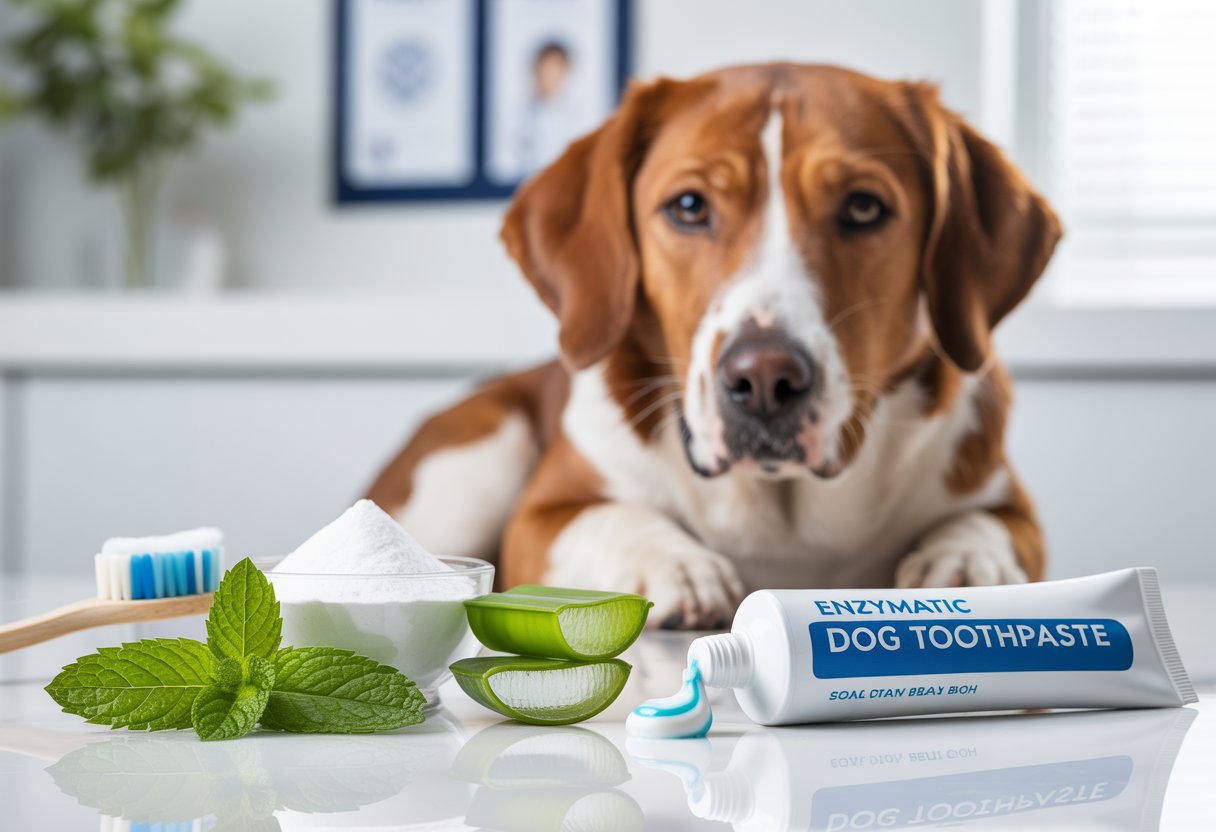
You control how well an enzymatic toothpaste fights bad breath and how safe it is for daily use.
The right enzymes break down odor‑causing bacteria, while pet‑safe ingredients protect your dog when swallowed. Poor ingredient choices can irritate gums or cause serious health risks.

Only VOHC Accepted Toothpaste - Clinically Proven to Control Plaque & Tartar Calprox Formula (London Broil, 2.5 Oz)
Essential Enzymes and Their Functions
Enzymatic dog toothpaste relies on specific enzymes to reduce bad breath at the source.
Lactoperoxidase helps control bacteria by disrupting their growth, which lowers odor without harsh chemicals. This matters because bad breath usually comes from bacteria, not leftover food.
Many formulas also use multi‑enzyme systems that work with your dog’s saliva.
These systems continue to break down plaque after brushing ends. You benefit most from pastes designed for regular use, not occasional cleaning.
Some products include calprox, a gentle mineral cleaner.
Calprox helps loosen plaque without scratching enamel, which makes it useful for dogs with sensitive teeth. You get better breath control when enzymes and mild cleaners work together.
Importance of Pet-Safe Ingredients
You should choose a pet-safe toothpaste because dogs swallow most of what you apply.
Safe formulas avoid human dental chemicals and focus on ingredients your dog can digest without harm.
Look for mild abrasives like baking soda and soothing agents such as aloe.
These help clean teeth while protecting gum tissue. Flavoring also matters. Poultry or meat flavors increase brushing success without adding sugar.
Some toothpastes add zinc gluconate to help neutralize sulfur compounds that cause bad breath.
When used at pet-safe levels, zinc supports odor control without toxicity. Vet-reviewed picks like those featured in The Best Dog Toothpaste in 2026, With Advice From Vets highlight the importance of safe, swallow-ready formulas.
Common Additives to Avoid
You need to scan labels closely because some additives pose serious risks.
Xylitol is extremely dangerous for dogs and can cause rapid drops in blood sugar. Even small amounts can be life-threatening.
Avoid fluoride, which dogs cannot safely process when swallowed.
Repeated exposure may lead to stomach upset or worse. Foaming agents like sodium lauryl sulfate (SLS) also cause irritation and offer no benefit for dogs.
Artificial colors, sweeteners, and preservatives increase allergy risk and provide no dental value.
Guides like Dog Toothpaste Ingredients to Use and Avoid explain why simple, clearly labeled formulas work best for long-term oral care.
Top Recommended Enzymatic Dog Toothpaste Brands
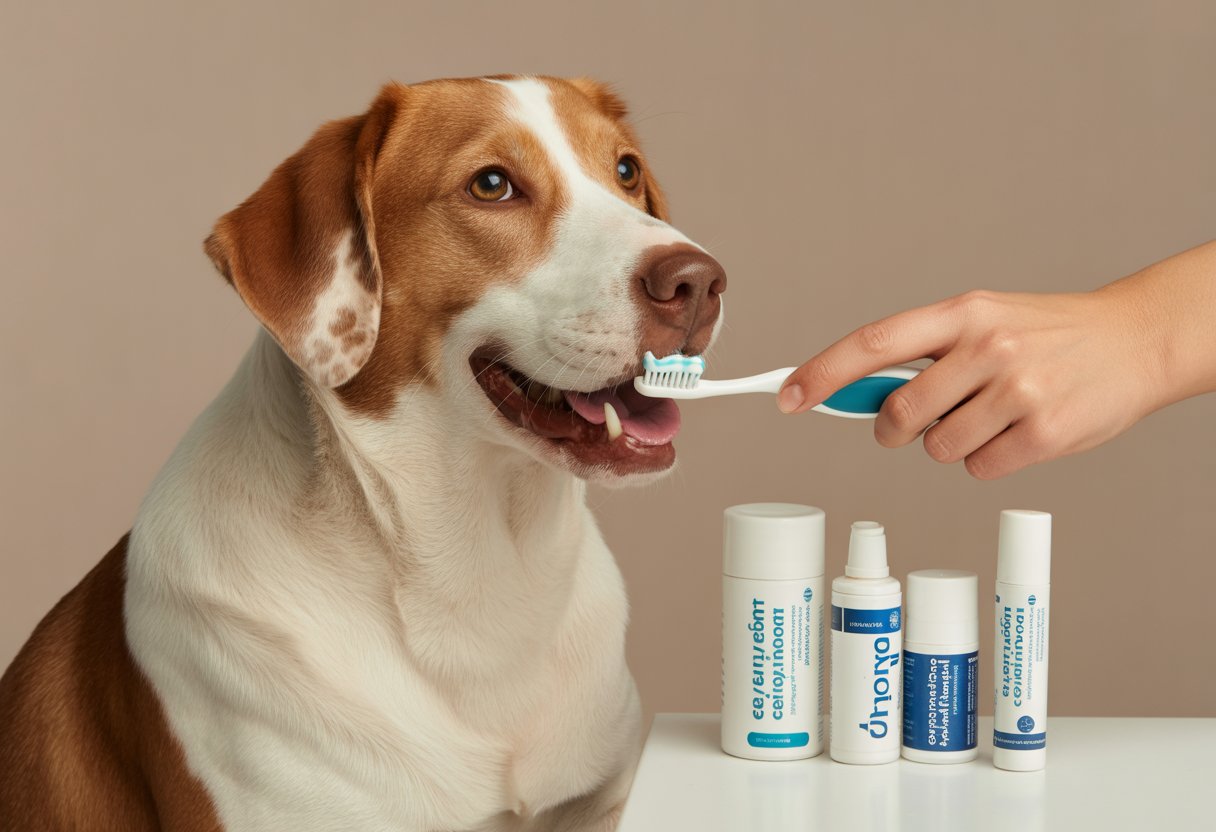
Enzymatic dog toothpaste helps control odor by breaking down the bacteria that cause bad breath.
The brands below stand out for safety, enzyme systems, and ease of daily use.
Virbac C.E.T. Enzymatic Toothpaste
Virbac C.E.T. Enzymatic Toothpaste uses a dual‑enzyme system to reduce odor‑causing bacteria.
You can use it daily, and your dog can safely swallow it. This matters if brushing feels stressful or messy.
Virbac C.E.T. offers poultry, beef, and vanilla mint flavors.
Most dogs accept these flavors, which makes routine care easier. The paste does not foam, so you do not need to rinse.
Many vets recommend Virbac C.E.T. for at‑home dental care.
It focuses on plaque control, which directly supports fresher breath. It works well for dogs that already show early signs of dental odor. Learn more from this Virbac C.E.T. Enzymatic Toothpaste review.
Vet’s Best Enzymatic Dog Toothpaste
Vet’s Best Enzymatic Dog Toothpaste combines enzymes with plant‑based ingredients.
Aloe and neem oil help soothe gums, while enzymes target odor‑causing bacteria. This blend suits dogs with mild gum sensitivity.
You can brush with it daily without rinsing.
The formula stays gentle and safe to swallow. Many owners find it helpful for steady breath control between cleanings.
Vet’s Best focuses on simple, familiar ingredients.
That appeals if you want to avoid artificial additives. It balances breath freshening with basic plaque removal for everyday use. Details appear in this Vet’s Best Enzymatic Dog Toothpaste overview.
Arm & Hammer Complete Care Enzymatic Dog Toothpaste
Arm & Hammer Complete Care uses baking soda and enzymes to reduce bad breath.
Baking soda helps neutralize odors, while enzymes break down plaque. This combination targets smell at its source.
The toothpaste comes in dog‑friendly flavors, such as peanut butter.
You can brush without worrying about rinsing. The texture spreads easily across teeth and gums.
This option fits well if your dog struggles with chronic bad breath.
It focuses less on advanced dental issues and more on daily odor control. You can read more in this Arm & Hammer enzymatic dog toothpaste review.
Petrodex Enzymatic Toothpaste
Petrodex Enzymatic Toothpaste is a budget-friendly option for tackling doggy breath. It uses enzymes to break down plaque and reduce bacteria buildup.
Regular use can help keep teeth cleaner and breath fresher. The paste doesn’t foam and is safe for dogs to swallow, so you don’t have to worry if your pup sneaks a taste.
This makes brushing a bit quicker, especially if your dog isn’t a fan of long grooming sessions. Multi-dog households often stick with Petrodex for daily routines.
It’s a no-frills product, focused on function over bells and whistles. While it doesn’t have the VOHC seal like Petsmile Professional Pet Toothpaste, it still gives you reliable enzymatic cleaning. More details are in this Petrodex enzymatic toothpaste guide.
How to Properly Use Enzymatic Dog Toothpaste
You’ll get the most out of enzymatic dog toothpaste if you use the right tools and stick with a routine. Brushing regularly helps with odor and slows plaque, making daily dog dental care less of a headache for both of you.
Choosing the Right Dog Toothbrush
Grab a dog toothbrush that suits your dog’s mouth size and shape. Small dogs do best with compact heads; bigger dogs need longer handles and wide bristles.
Soft bristles are important—they clean along the gumline without hurting or making gums bleed. Finger brushes are handy for first-timers, since they give you more control.
Stick to pet toothpaste. Human toothpaste has stuff dogs shouldn’t swallow. Enzymatic options are forgiving, even if brushing is a bit of a wrestling match, since the enzymes keep working on bacteria. There’s more on that in this guide about how enzymatic dog toothpaste works.
Correct Brushing Techniques
Squeeze a pea-sized blob of enzymatic toothpaste onto the brush. Let your dog lick it first so the flavor’s not a surprise.
Gently lift their lip and use small circles along the teeth. Focus mostly on the outer surfaces—plaque loves to hide there. Don’t skip the back molars; they’re magnets for food and bacteria.
No need to scrub like crazy. Gentle pressure is fine, and it’s easier on your dog’s gums. Most enzymatic formulas keep working after you’re done, which is nice if brushing time is short. There’s a helpful breakdown here: using enzymatic dog toothpaste effectively.
Establishing an Effective Brushing Routine
Daily brushing is ideal, but if that’s not happening, shoot for at least three times a week. That’s usually enough to help with dental care and breath.
Pick a low-key time—after walks or meals works for a lot of people. Start with short sessions and slowly work up as your dog gets used to it.
Honestly, consistency is what makes the difference. Even a quick brush helps if you’re using enzymatic toothpaste. Notice changes like less odor, healthier gums, or your dog not fighting the brush as much? That’s progress.
Additional Dental Care Strategies for Dogs
You can really cut down on bad breath if you pair enzymatic toothpaste with other daily habits. Tools, vet visits, and even food choices all play a part in keeping your dog’s mouth in decent shape.
Incorporating Dental Chews and Treats
Dental chews help scrape teeth as your dog gnaws away. This helps prevent plaque and tartar, especially on back teeth the brush misses. Look for chews with the Veterinary Oral Health Council (VOHC) seal—they’ve been tested for oral care.
Use chews as a backup, not a stand-in, for brushing. Give them after meals when bacteria spike. One a day is usually plenty—otherwise, you’re just adding calories.
Some popular choices:
- Textured rubber or rawhide-free chews
- VOHC-accepted dental treats
- Long-lasting chews sized for your dog’s weight
Skip super hard chews—they can crack teeth, and nobody wants that vet bill.
Routine Veterinary Dental Check-Ups
Vet exams are a big deal for long-term dental health. Your vet checks gum tissue, tooth roots, and signs of infection you’d never spot at home.
Most dogs should see the vet for a dental check once a year. Some breeds with crowded teeth might need it more often. If tartar is building up under the gums, your vet may suggest a cleaning with anesthesia.
Sticking to a home routine—brushing with enzymatic toothpaste and using the products in a solid dog dental care guide—makes these visits easier.
Diets and Other Products to Support Oral Health
Diet matters more than most people think. Some dry kibbles have bigger, fibrous pieces that help rub teeth clean as your dog chews. Used daily, these can help prevent plaque and tartar.
Other options: water additives, dental powders, or oral gels. They’re good for dogs that hate brushing and can help with breath. Just make sure whatever you use is labeled safe to swallow.
Some quick tips:
- Avoid sticky foods—they cling to teeth
- Go slow with new products
- Watch for upset stomachs or allergies
How to Choose the Best Enzymatic Dog Toothpaste for Your Dog
To narrow down your options, check for safety standards, pick a flavor your dog won’t spit out, and know where to shop. These steps will help you find a toothpaste that actually helps with bad breath and daily dental care.
Looking for the VOHC Seal and Product Certifications
Start with safety and effectiveness. Look for the VOHC (Veterinary Oral Health Council) seal on the box—it means the toothpaste has been tested for reducing plaque or tartar.
Not every good toothpaste has the seal, but it’s a solid vote of confidence. Vets often recommend brands like Virbac C.E.T., which pop up on lists like Canine Bible’s vet-approved dog toothpaste guide.
Always scan the ingredient list. Skip anything with fluoride, xylitol, or foaming agents. Since dogs swallow toothpaste, the formula has to be safe to eat.
When you’re looking for the best enzymatic dog toothpaste, focus on proven enzymes, clear labeling, and basic certifications.
Evaluating Flavor Options and Palatability
Let’s be honest: toothpaste only works if your dog lets you use it. Flavor matters a lot. Most options come in chicken, poultry, beef, peanut butter, or vanilla mint.
Plenty of dogs love meat flavors. Petrodex and Arm & Hammer tend to be favorites, based on reviews like Dogster’s best dog toothpaste list.
If your dog’s picky, let them try a small lick before you commit. Their reaction tells you a lot.
Flavor doesn’t change how well it cleans, but it definitely affects how often you’ll brush. Honestly, brushing regularly is more important than any fancy ingredient.
Where to Buy and What to Expect
You can find dog toothpaste at pet stores, the vet’s office, or online. Online shops have the biggest selection and lots of reviews. Guides like The Spruce Pets’ best dog toothpaste roundup make comparing easier.
Prices range from cheap tubes to pricier vet brands. Bigger tubes usually cost less per ounce—good if you brush daily.
Always check return policies and expiration dates. Enzymes lose their punch over time, so fresher is better.
Frequently Asked Questions
Vets usually point to enzymatic formulas as the safest and most effective for fighting bad breath in dogs. Here are some common questions about what works, what to look for, and how often to brush to actually see results.
What do veterinarians suggest as the most effective toothpaste for curing a dog’s bad breath?
Vets strongly recommend toothpaste made for dogs—never human toothpaste, since it can be dangerous if swallowed.
Enzymatic formulas get the nod because they break down plaque even if brushing isn’t perfect. Virbac C.E.T. Enzymatic Toothpaste shows up in a lot of vet recommendations and has a track record for safety, as noted in this best dog toothpaste for bad breath guide.
Which enzymatic dog toothpaste brands are known to produce the best results for freshening breath?
Brands like Virbac, Vet’s Best, and Arm & Hammer for Pets get high marks from owners for improving breath when used daily.
Vet’s Best Enzymatic Dog Toothpaste is a favorite for gentle, natural cleaning. Lists like this top dog toothpaste for bad breath highlight these brands for reliable odor control.
What are the key ingredients to look for in an enzymatic toothpaste for treating bad breath in dogs?
Look for enzymes that target plaque and bacteria—glucose oxidase and lactoperoxidase are common examples.
Some formulas throw in mild plant-based ingredients like neem oil or aloe to soothe gums. You can read more about what’s inside in this enzymatic dog toothpaste review guide.
Are there any discernible benefits of using enzymatic toothpaste over regular toothpaste for a dog’s oral hygiene?
Enzymatic toothpaste keeps working after you finish brushing. The enzymes keep breaking down plaque, which can make a real difference for bad breath between brushings.
Regular non-enzymatic dog toothpaste mostly depends on the act of scrubbing. Enzymatic options step in with some extra help, especially if your dog’s not exactly a fan of long brushing sessions—more on that in articles like how enzymatic toothpaste works for dogs.
How often should enzymatic toothpaste be used to address bad breath issues in dogs?
Ideally, you’d brush your dog’s teeth once a day. That’s the sweet spot for stopping plaque before it becomes tartar.
If daily brushing sounds impossible (and honestly, sometimes it is), shoot for three or four times a week. With enzymatic toothpaste, it’s the regularity that really counts, not how long you spend brushing each time.
Can you provide examples of enzymatic dog toothpastes that have received positive reviews for combating bad breath?
Plenty of products seem to get a nod for helping with odor and gum health, but a few stand out more than others. Vet’s Best Enzymatic Dog Toothpaste, Virbac C.E.T. Enzymatic Toothpaste, and Arm & Hammer Clinical Care Enzymatic Toothpaste usually pop up at the top of the list for user satisfaction.
If you’re looking for more details, review roundups—like this comparison of the best dog toothpaste options for bad breath—highlight how these picks work for dogs of all sizes and ages. Not every product works for every pup, but these three get a lot of love from pet owners.