

The information in this article is for educational and informational purposes only. It is not intended as veterinary advice, diagnosis, or treatment for any medical or health issue your pet may have.
Always consult a licensed veterinarian before making any decisions about your pet’s health, diet, medications, supplements, training, or care. Never disregard or delay professional veterinary advice based on content from this website.
BarkleyAndPaws.com and its authors assume no responsibility or liability for any errors, omissions, or outcomes resulting from the use of this information.
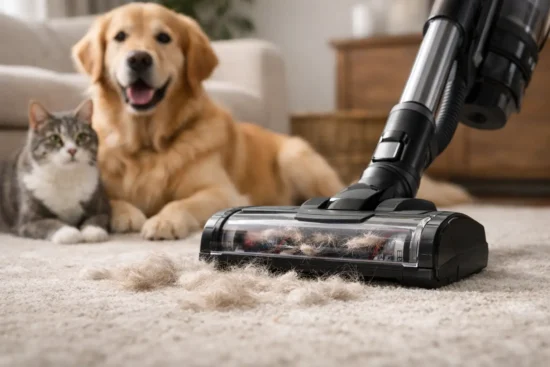
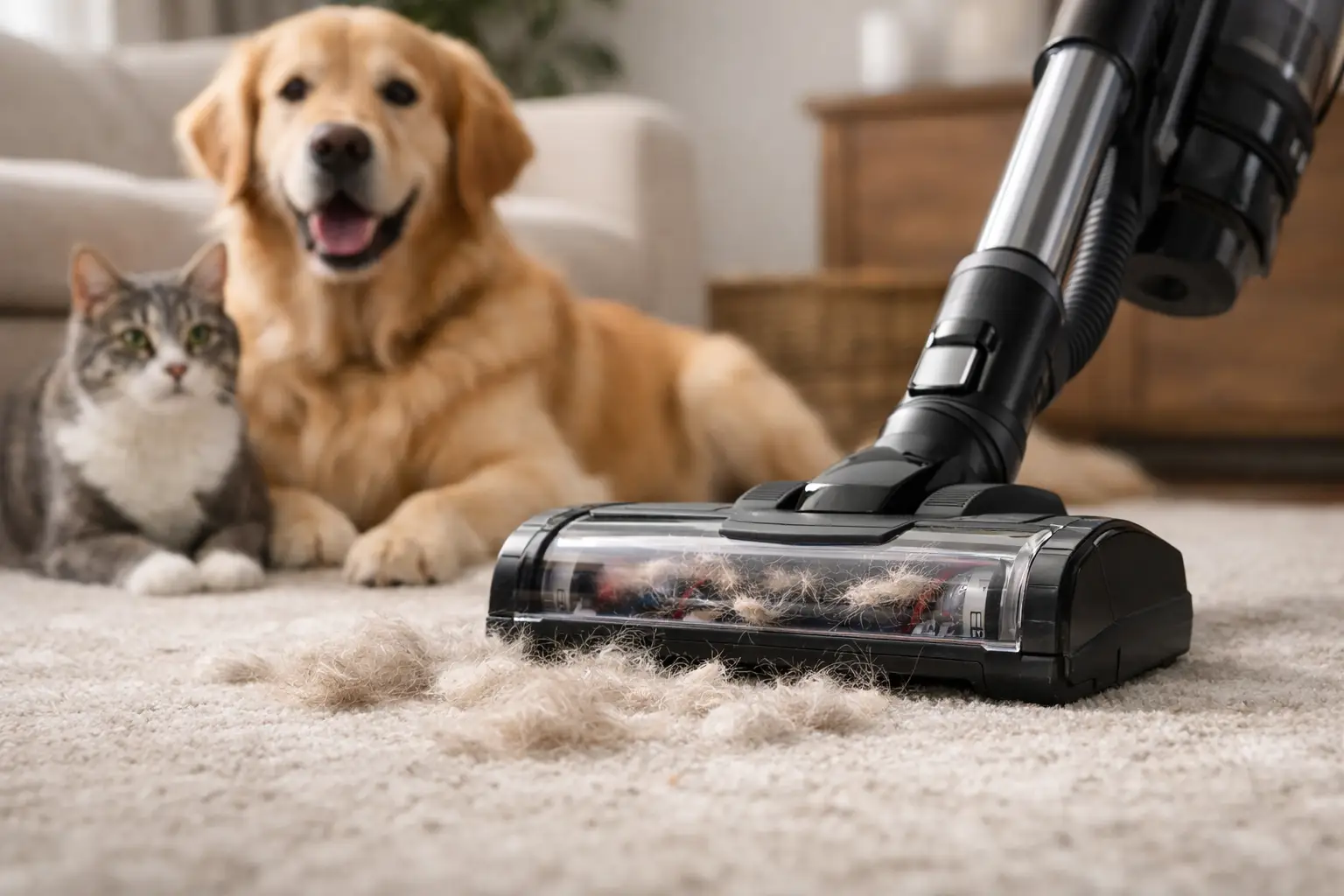
You can vacuum in the morning and still find a fresh tumbleweed of fur under the couch by dinner. That is why a solid pet hair vacuum review matters more than a generic vacuum roundup. Homes with dogs and cats need more than strong suction – they need a machine that can pull hair from rugs, resist tangles, trap dander, and stay easy enough to use that you do not dread pulling it out.
For most pet owners, the best vacuum is not the one with the flashiest claims. It is the one that matches your floors, your pet’s shedding level, and your tolerance for maintenance. A cordless stick can be perfect in a small apartment with one short-haired cat. In a busy house with two double-coated dogs and carpeted stairs, that same vacuum may feel underpowered and frustrating within a week.
How to read a pet hair vacuum review
A good pet hair vacuum review should focus less on marketing words and more on real-life performance. Pet hair creates a specific set of problems. It wraps around brush rolls, packs into upholstery, clings to low-pile rugs, and often comes with dander and tracked litter or dirt. If a review does not address those details, it is missing the point.
The first thing to look at is pickup on mixed surfaces. Hardwood, tile, area rugs, and wall-to-wall carpet all behave differently. Some vacuums scatter kibble or cat litter on hard floors because the cleaner head sits too low. Others glide over carpet but leave embedded hair behind because the brush roll is too soft or the suction path is poorly designed.
The second factor is hair management inside the vacuum itself. A machine can clean well for ten minutes and still be a poor fit if you have to cut hair off the roller every other use. Anti-tangle brush rolls are not just a convenience feature for pet homes. They can be the difference between a vacuum that stays effective and one that quickly becomes a chore.
The features that matter most in a pet hair vacuum review
Suction matters, but it is not the whole story. Brush design often matters just as much. On carpet, a motorized brush roll helps lift pet hair that has worked its way into fibers. On hard floors, a softer roller or a setting that reduces scatter can make cleanup faster and less messy.
Filtration is another big one, especially if anyone in the home is sensitive to dust or dander. According to the American Veterinary Medical Association, pet dander can contribute to allergy symptoms in some households, so a sealed system with a HEPA or high-quality allergen filter is worth paying attention to. A vacuum that grabs visible hair but leaks fine dust back into the room is only doing part of the job.
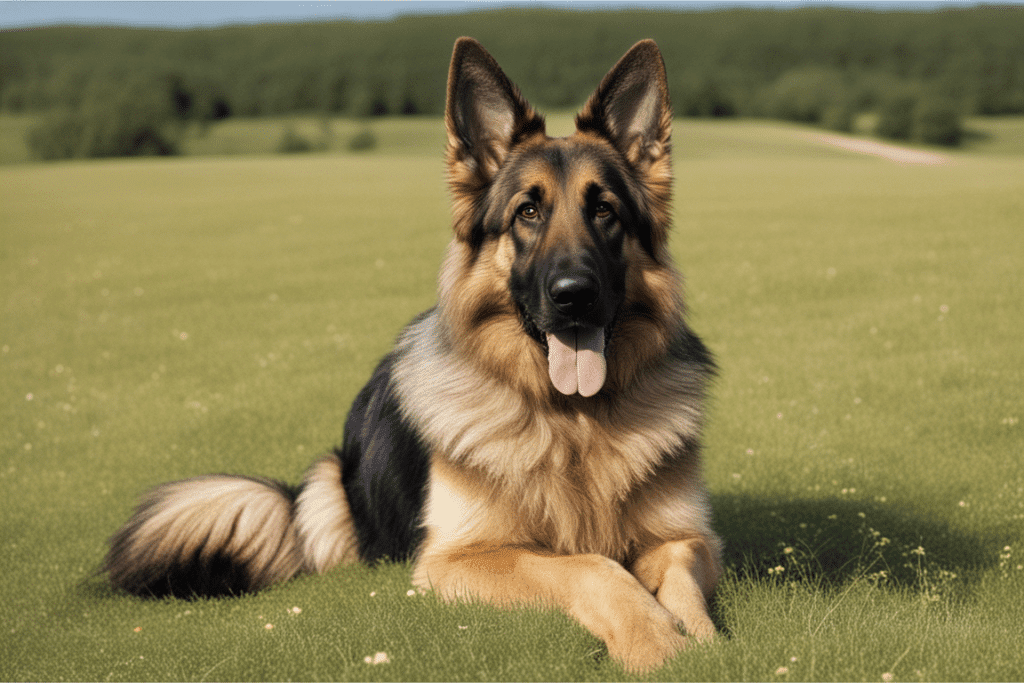
Capacity is easy to overlook until you own a heavy shedder. Small dustbins are fine for quick pickups, but they can be annoying in a larger home or during spring coat blowouts. If you have a Golden Retriever, Husky, German Shepherd, or a long-haired cat that sheds generously, bin size and ease of emptying should rank high on your list.
Noise also deserves more attention than it gets. Some pets are unfazed by vacuums, but many are not. The ASPCA notes that animals can be stressed by loud noises and unfamiliar triggers, which means a lower-noise model may be a better fit in anxious homes. That will not make vacuuming silent, but it can make routine cleaning less disruptive for both pets and people.
Upright, cordless, canister, or robot?
For deep carpet cleaning and whole-home fur control, upright vacuums still make the most sense for many families. They tend to offer stronger sustained suction, larger bins, and better agitation for pet hair stuck in rugs. The trade-off is weight. If you live in a multi-story home or have limited storage, a heavy upright may feel like overkill.
Cordless stick vacuums are popular for a reason. They are quick, easy, and far more likely to be used every day. If your main issue is fur on hard floors, light rugs, and furniture, a good cordless model can be a smart choice. The catch is battery life and dustbin size. In bigger homes, a single charge may not cover the full job.
Canister vacuums are underrated in pet homes, especially if you have a mix of hard floors, upholstery, curtains, and stairs. They are often easier to maneuver around furniture and can be excellent for detailed cleaning. Still, some owners dislike dragging a canister body behind them, and storage can be awkward.
Robot vacuums work best as helpers, not replacements. If your dog sheds daily and your cat leaves fur along baseboards, a robot can keep buildup under control between deeper cleans. But most still struggle with corners, stairs, heavy upholstery work, and thick carpet. They are useful for maintenance, not for doing everything.
What works best for dog hair vs. cat hair
Dog hair tends to be heavier, more visible, and often more embedded in carpets and car upholstery. Breeds with dense undercoats can fill a bin quickly, so stronger suction, a large dust cup, and a brush roll that resists tangling are all helpful. If your dog tracks in dirt or sheds seasonally in dramatic waves, an upright or high-powered canister usually gives you the best results.
Cat hair is often finer and clingier. It sticks to sofas, bedding, curtains, and fabric dining chairs in ways that can be surprisingly stubborn. For cat owners, tools matter almost as much as the vacuum body. A powered mini attachment or upholstery tool can make a bigger difference than raw floor power alone. If you also manage litter tracking, look for a vacuum that handles small particles on hard floors without blowing them around.
Trade-offs that honest reviews should mention
No vacuum is perfect, and any pet hair vacuum review that acts like one machine does everything brilliantly should raise your guard. Stronger suction often means more weight or more noise. Lightweight cordless models are convenient but may need frequent charging and emptying. Premium anti-tangle systems can work well, but replacement filters and batteries may cost more over time.
There is also the issue of maintenance. Even the best pet vacuum needs regular filter cleaning, dustbin emptying, and occasional inspection of the brush head. The American Kennel Club regularly emphasizes routine grooming as part of managing shedding, and that is worth remembering here too. A vacuum helps, but brushing your dog or cat consistently will reduce how much fur ends up in your carpet in the first place.
The best vacuum depends on your home
If you have mostly carpet and one or more heavy shedders, prioritize deep-cleaning performance over sleek design. You want strong carpet agitation, a large capacity bin, and a hose or attachment that makes stairs manageable. Convenience features are nice, but raw cleaning ability matters more.
If your home is mostly hardwood or tile, pet hair can collect in corners, along baseboards, and under furniture. In that setup, a lightweight stick vacuum or a canister with a hard-floor tool may outperform a bulky upright simply because it is easier to maneuver and use often.
If your main battle is furniture, car seats, and pet beds, focus on attachment quality. Upholstery tools, mini motorized heads, and flexible hoses can make cleanup much easier. That is especially true in homes where the dog is technically not allowed on the couch but somehow keeps ending up there anyway.
If allergies are part of the picture, sealed filtration should move from nice-to-have to non-negotiable. Pet hair is visible, but dander is the piece you cannot really see. Better filtration can help reduce what gets stirred back into the air during cleaning.
A practical way to choose
Before buying, think about three things: your floor type, your shedding level, and how often you realistically vacuum. Be honest about habits. The best machine on paper is not the best one for your home if it is too heavy, too loud, or too annoying to empty, because you will use it less.
That is the real takeaway from any useful pet hair vacuum review. Look for a vacuum that fits your daily life, not just your wishlist. A model that is very good and easy to reach for will usually serve pet owners better than one that is technically excellent but stays in the closet. When fur is part of the family landscape, the smartest cleaning tool is the one that keeps up without making you work twice as hard.